Articles
Don't make this mistake when buying a new car.
Advertisement

When car commercials mention the type of transmission used in a new vehicle model, do you know what it means or what the benefits of that type of transmission are? Transmission systems are divided into 3 types: manual, automated, and automatic. Below, we'll delve a little deeper into what each type can offer.
Manual transmission (MT – Manual Transmission)
Manual transmission is still, certainly, the most common in Brazilian vehicles. This type of transmission is the most basic system we have. The engine's power is transmitted – through the clutch – to the transmission shaft, which, in turn, transmits the power – through gears – until it reaches the wheels. In vehicles equipped with this type of transmission, gear changes are made manually by the driver (hence the name manual transmission), who operates the clutch pedal and changes gears in the gearbox. The great advantage of manual transmission is its low cost compared to others. A vehicle equipped with a manual transmission usually has a significant price difference compared to the same vehicle equipped with an automatic transmission. Regarding fuel consumption, what negatively impacts the manual transmission is the large variation in engine speed to which we subject the engine.
You will be redirected to another website
Automated transmission (AMT – Automated Manual Transmission)
Automated transmissions transmit torque and engine power in exactly the same way as manual transmissions, with a clutch and gears, but they don't require the driver to manually shift gears. Clutch engagement and gear changes are handled by a component called the ECU (Electronic Control Unit).Electronic Control UnitThe ECU (Electronic Control Unit) takes readings of engine speed and torque and, based on these readings, interprets when to change gears. Then, the ECU generates an electronic command for the hydraulic system (which can also be pneumatic), which engages the clutch and performs the gear change without the rider being prompted.
Automated transmission systems are commonly named after their developers, such as Volkswagen's iMotion, Ford's Powershift, Fiat's Dualogic, Renault's Easy-R, among others. The operating principle of all these systems is the same, except for some minor differences. Among these differences, we can mention Powershift, which uses... dual clutch (and dual input shaft in the transmission), also called gearbox DCT (Dual Clutch Transmission). In a DCT transmission, one clutch is responsible for even gears, and another for odd gears. Thus, when first gear is engaged and the clutch responsible for odd gears is transmitting torque, the ECU causes the hydraulic system to engage second gear, since the clutch responsible for even gears is disengaged. AMT is growing significantly in the automotive market due to its versatility, which combines the economy and low cost of a manual transmission with the comfort of not having to manually shift gears like an automatic transmission.
Automatic transmission (AT – Automatic Transmission)
Automatic transmissions use a different system than the previously mentioned transmissions to transmit power. Unlike manual and automatic transmissions, they do not use a clutch. Instead of a clutch, a component called a torque converter is used, which transmits power from the engine to the gearbox. The gearbox itself has two main variations for automatic transmissions: the conventional one, which consists of several... planetary systems coupled in series, and the CVT (Continuously Variable TransmissionA CVT transmission consists of two pulleys of variable diameter interconnected by a belt. In theory, it can be said that there are infinitely many gears in a CVT.
Subaru CVT
The disadvantages of this type of transmission that deserve highlighting are two: price and fuel consumption. Being a more complex system with more sophisticated components, the automatic transmission system usually makes vehicles more expensive than those equipped with manual or automatic transmissions. Regarding fuel consumption, despite optimizing the engine's operating point, the automatic transmission is hampered by the torque converter, a component that dissipates engine power. In the case of the CVT, the friction of the belt with the pulleys dissipates even more power, and this power dissipation is usually accentuated because the belt used in the CVT is made of steel. The main advantage of the automatic transmission is comfort. Gear changes, besides not being made by the driver, are practically imperceptible.
Trending Topics
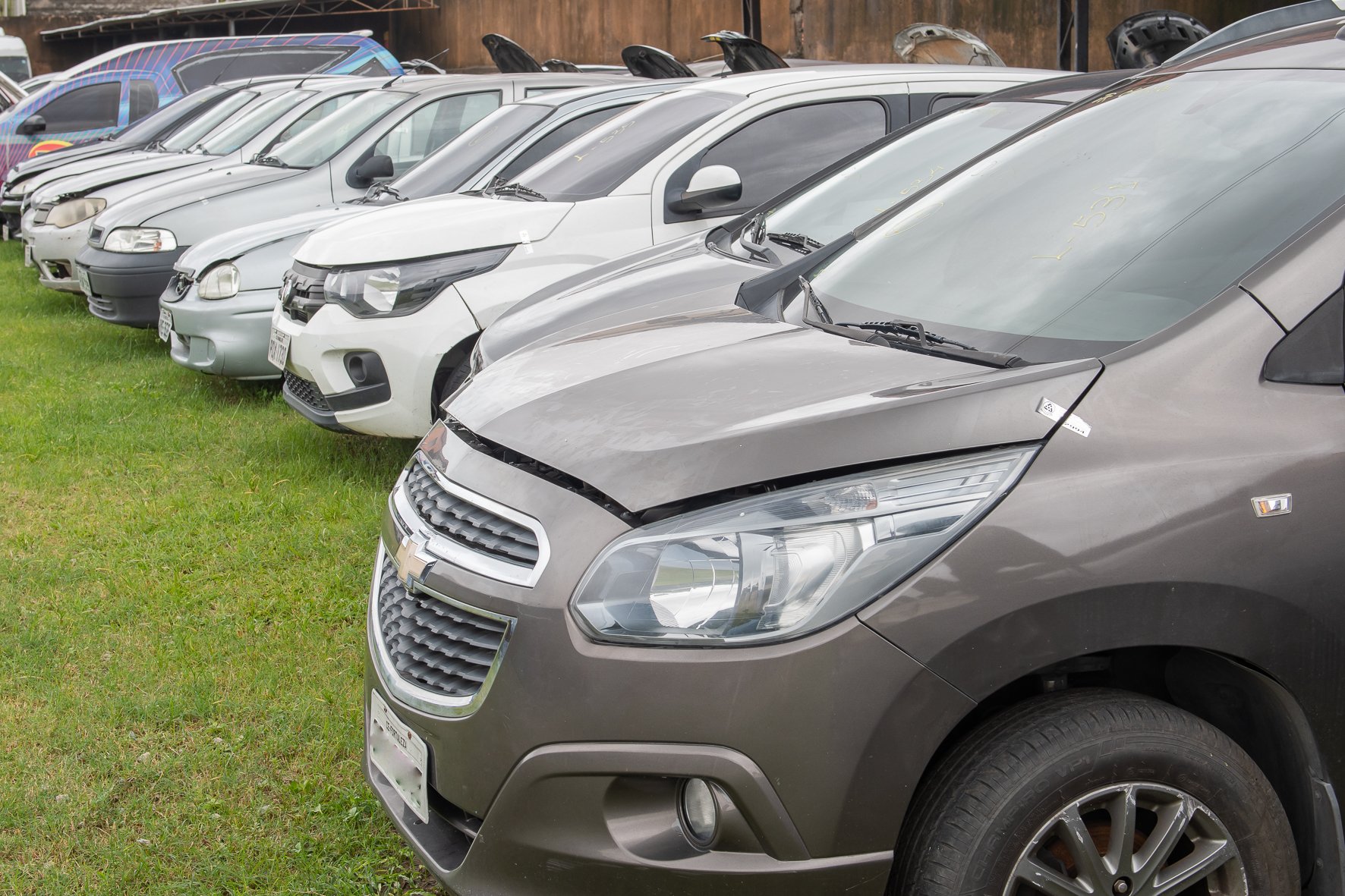
Buying at auction to resell: 10 models to make money
Mr. Cars | The best articles about cars on the internet! Buying at auction to resell: 10 models to make money
Keep Reading
Car Insurance: Learn how to get a quote
Learn now how to get a multiple quote with the Auto Insurance platform, which allows you to save a lot in a safe and innovative way!
Keep Reading
Pura Vida Motorhomes: How to rent and use them?
Travel aboard a comfortable motorhome and contribute to the planet's sustainability. Find out how to rent one at Motorhomes Pura Vida!
Keep ReadingYou may also like

Online Driving School App: Get your driver's license easily!
How does the Online Driving School app work? It's perfect for studying for the DMV test. Practice your knowledge with this app.
Keep Reading
Auction cars: Are they worth buying? Learn how to get a good deal.
Mr. Cars | The best articles about cars on the internet! Auction cars: Is it worth buying? Learn how to get a good deal.
Keep Reading
Serpa Auctions: How to register to buy?
See how to buy at Serpa Leilões, an auction house where you can find great vehicles at prices well below market value! Check it out here!
Keep Reading


