Articles
Expensive fuel? Myths and truths about CNG.
Learn about the main myths and truths regarding CNG (Compressed Natural Gas) during times of expensive fuel and discover if CNG is really a good option!
Advertisement
Myths and truths about CNG (Compressed Natural Gas)
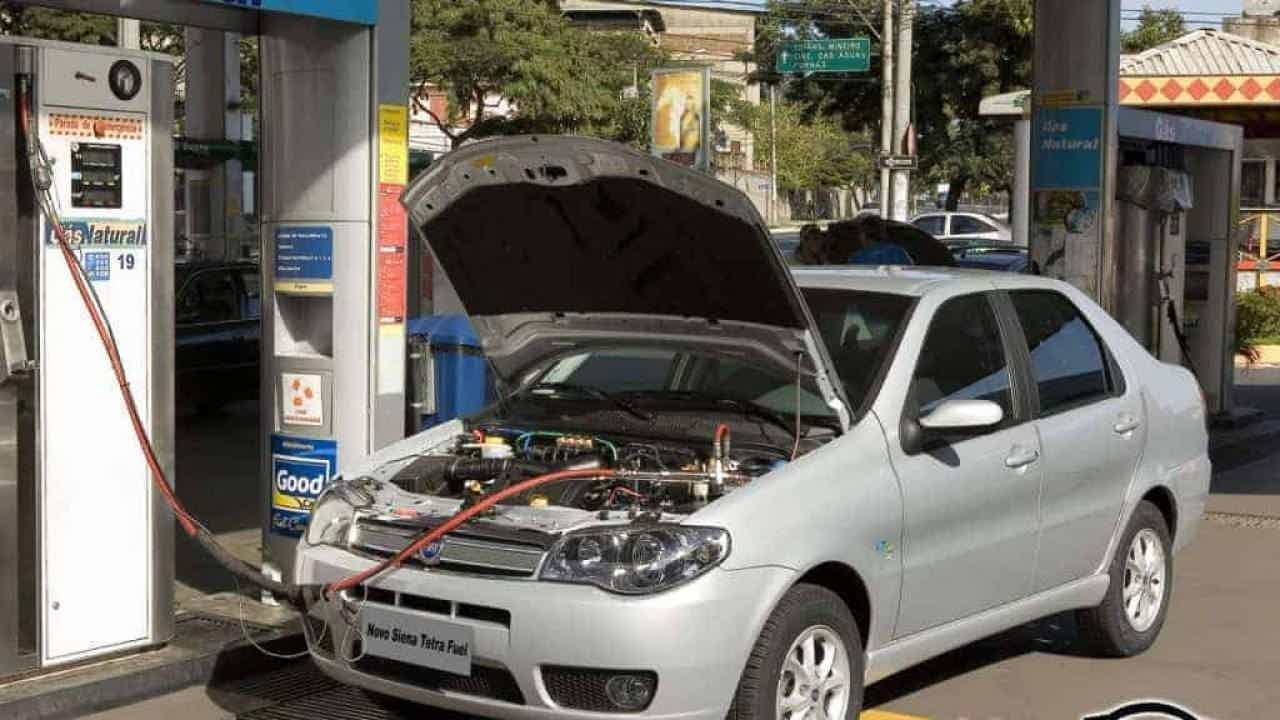
There are a number of myths and truths about CNG (Compressed Natural Gas) that resurface from time to time when the price of ethanol or gasoline rises, as has been happening recently in the country. Many people believe that CNG is a cheaper option, but is that really true?
Advantages and disadvantages of hybrid cars
Discover the advantages and disadvantages of owning a hybrid vehicle in Brazil.
As you well know, there is no mission given to our specialists that is not accomplished!
Therefore, we put our team to work researching everything and more about the subject, and the result is a compilation of myths and truths about CNG (Compressed Natural Gas).
CNG is cheaper?
Can a car running on CNG explode?
Does CNG damage your car's engine?
Does a car become less powerful when using CNG?
These are just a few examples of what we'll be revealing to you today.
If you think gasoline, ethanol, and diesel are expensive and you're thinking about switching to CNG, here's our order:
Read today's article before taking any action.
Ready to explore the myths and truths about CNG?
Then he left!
You will be redirected to another website
Myths and truths about CNG (Compressed Natural Gas)
After receiving many questions via email, and concerns about Compressed Natural Gas (CNG) for vehicles during times of expensive fuel, we decided it was time to address this issue.
Therefore, our team of experts contacted automotive engineers, car manufacturers, and even ordinary people who have a CNG kit installed in their car.
The result of all this research and work can now be found in a very special piece of content where we will show you myths and truths about CNG (Compressed Natural Gas).
Is CNG always cheaper? Myth.
And we're going to start by debunking a real myth about CNG.
Many people think that CNG is always cheaper than gasoline, ethanol, or diesel, but that's not quite the case!
The price per cubic meter of gas is indeed cheaper than that of other fuels.
But the installation costs of the CNG kit must be taken into account.
Installing a kit in your car today costs around R$ 3,000, for 2nd and 3rd generation kits, which are for vehicles manufactured up to 2007.
For 5th generation vehicles, which were manufactured after 2007, the cost of the kit now reaches the range of R$ 6 thousand.
According to GASMIG – the Minas Gerais Gas Company – CNG yields up to 601 tbsp more than gasoline when considering the most modern, fifth-generation system.
According to data from ANP – the National Petroleum Agency – a driver who travels 3,000 km per month in a car that gets 9 km/l on gasoline has an average cost of 0.58 km per liter. With CNG, this cost is R$ 0.29.
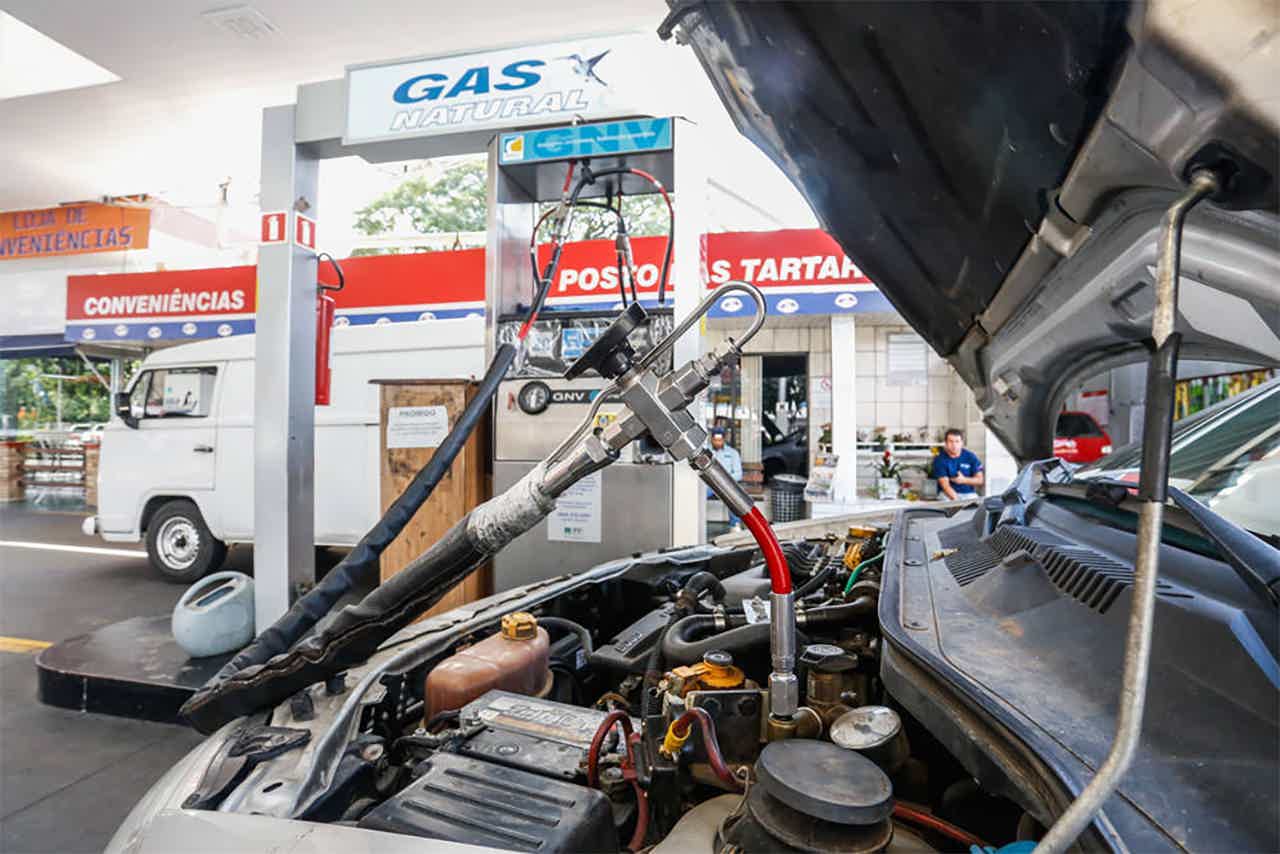
However, this is an average mileage generally achieved by professional vehicles, such as taxis or ride-hailing services.
In one year, this savings would represent more than R$ 10 thousand, which is more than the cost of installing the Kit.
For those who drive less, CNG might eventually pay for itself, but it will take longer.
But it's important to keep in mind that in addition to the installation, other expenses are also associated with CNG, such as cylinder inspections, labor, and registration with the Department of Motor Vehicles (Detran).
Therefore, it's necessary to take all these expenses into account, not just the cost per kilometer driven.
Can a car with a CNG kit explode in an accident? Myth
Continuing with the myths and truths about CNG, here's another one of those crazy myths that have been circulating!
If the kit is installed according to regulations, there is no risk of the vehicle exploding, the company states. AEA Brazilian Association of Automotive Engineering.
Accidents involving vehicles powered by Compressed Natural Gas (CNG) are linked to modifications made outside of safety standards.
CNG, as well as its system, is safe. In case of a leak, the gas dissipates into the air and does not pose a risk to the vehicle's occupants.
The CNG system has a number of safety devices.
These devices control the behavior of the gas in case of excess pressure, temperature, and flow.
There is also a special device that prevents large leaks and a sensor responsible for dissipating the gas when the cylinder is exposed to high temperatures, so that the system does not combust.
If the modification is done at a specialized workshop, you can trust it!
Is it necessary to keep liquid fuel in the tank? True.
That's true!
To ensure proper engine operation and prevent problems in the vehicle's electronic liquid fuel injection system, it is necessary to maintain... gasoline or alcohol in the tank.
The cold start reservoir also needs to be kept filled with gasoline.
The most modern gas injection systems, which come pre-installed from the factory, feature a small, continuous injection of liquid fuel.
This helps keep the fuel system lubricated and the valves clean. The simple act of fuel hitting the valve itself cleans it.
Without liquid fuel, valve wear is more intense.
Another important point to remember is that the number of gas stations offering natural gas is smaller than the number offering liquid fuel.
Therefore, it's best to be prepared and ensure you have a reserve of alcohol or gasoline in the tank.
Does the engine lose some power with CNG? True.
Continuing our series on myths and truths about CNG, here's a truth that many consider a lie.
A number of factors do indeed cause the car's engine to lose some power with the installation of a CNG kit.
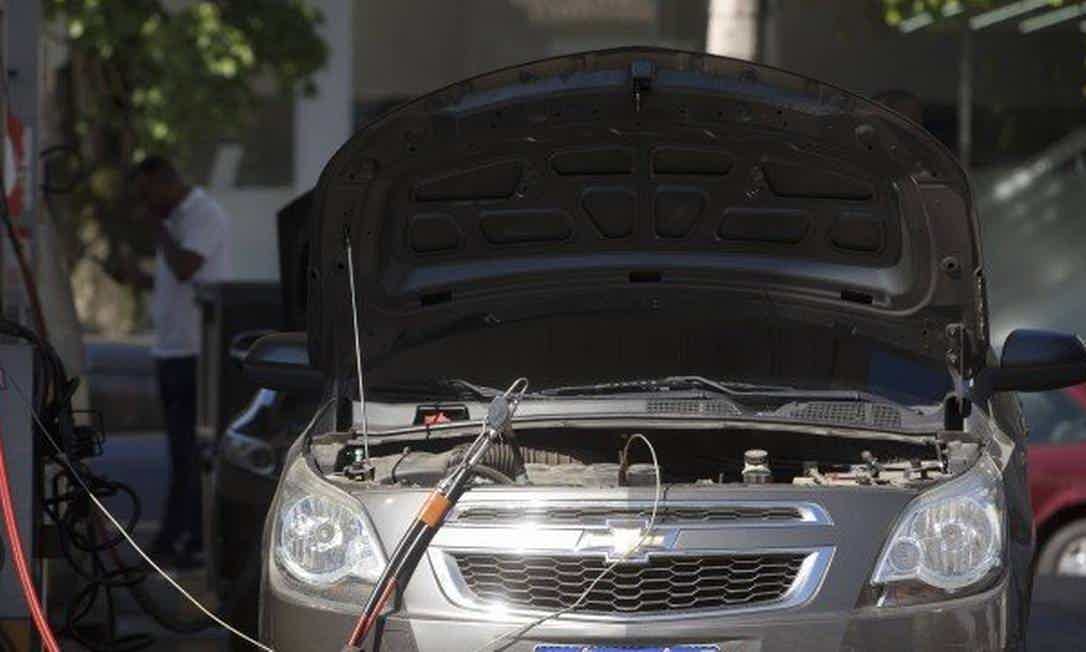
The main reason for this is that the combustion engines in the vehicles we know were not designed to burn CNG.
In other words, they are not optimized for that type of fuel.
Therefore, it's natural that they lose performance.
Does installing a CNG kit affect car insurance reimbursement? True
Any modifications made to the vehicle must be reported to the insurance company.
The claim may be denied if an incident is caused by a component that was added after the inspection.
The change caused by the installation of the CNG kit also affects the price of car insurance.
This is because it adds value to the vehicle, as well as making it more prone to theft and accidents.
Therefore, the installation must be done by a company certified by Inmetro; otherwise, the insured party loses the right to the warranty.
Therefore, if your car is insured and you are thinking about installing a CNG kit, talk to your insurance company first.
Do I need to register my car with the DMV after installing a CNG kit? True
What might seem like a lie, is true.
For your CNG-powered vehicle to comply with state laws, the installation must first and foremost be carried out by a company accredited by Inmetro.
After the conversion, the vehicle must be taken to an inspection station, also accredited by Inmetro.
After installation and inspection, the service invoices must be submitted to the Department of Motor Vehicles (Detran) of your state so that the registration of the change can be completed.
As you can easily see, it's a rather bureaucratic process.
Is CNG less harmful to health than other fuels? True.
Fuels derived from petroleum, such as gasoline and diesel, or from sugarcane, such as ethanol, emit gases that are harmful to the environment and to humans.
Natural Gas for Vehicles is no exception, but the CO2 emissions from combustion in automobiles are up to 201% lower than those of the fuels mentioned.
Therefore, those who choose to install a CNG kit end up... operating in a more sustainable way and ecological.
Is it more difficult to adulterate CNG than liquid fuels? True.
Here we had another story among the myths and truths about CNG that caused a lot of discussion.
The quality analyses of vehicular natural gas are studied before its distribution.
According to ANP Law No. 16 of 6/17/2008, the submission of CNG quality analysis data performed by both the loader and the transporter is required.
To adulterate the CNG, the gas station would need to install a new compressor to add air to the gas, which would be unfeasible from a financial standpoint.
Does CNG damage car engines? Half-truth.
And here we have the last one in our series of myths and truths about CNG.
Many people say that CNG damages car engines, and that's only half true.
The suitability of the fuel for natural gas is not a literal conversion to CNG (Compressed Natural Gas).
This is because the engine still runs on ethanol or gasoline, and therefore, this adaptation can cause some minor problems.
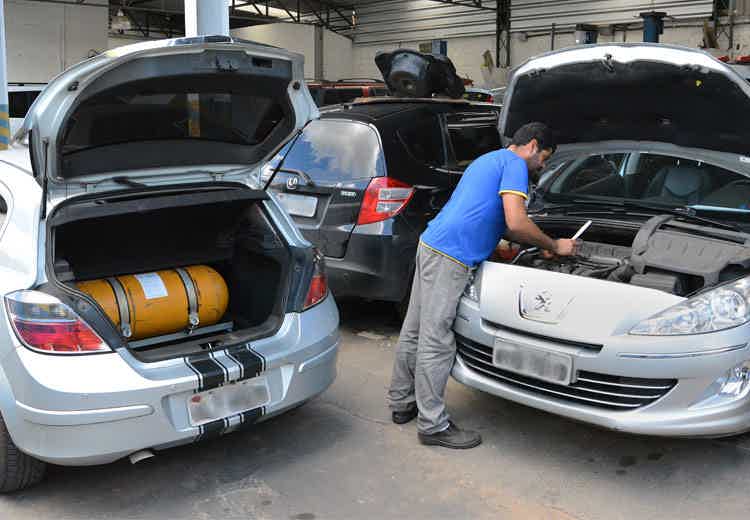
The engines of cars that have been converted to run on gas may experience long-term problems due to infrequent valve cleaning, as mentioned earlier.
Ideally, the lubricating oil should be changed at appropriate intervals to ensure that the underside of the engine remains protected.
Conclusion
After uncovering myths and truths about CNG (Compressed Natural Gas), it's up to each individual to assess the needs, costs, and bureaucracy involved in the process.
But it's already possible to point out something important: CNG isn't for everyone, even though with the fuel costing an arm and a leg, many people feel the urge to switch to a cheaper option.
One option for those looking to save on fuel is to choose hybrid vehicles.
However, just like cars modified to run on CNG, there are advantages and disadvantages to this type of car.
How about learning about the pros and cons? some models What can be bought here?
Intrigued? Want to know more? Then just click below to find out more!
Advantages and disadvantages of hybrid cars
Discover the advantages and disadvantages of owning a hybrid vehicle in Brazil.
Trending Topics

Pros and cons of the Hyundai HB20: What it's like to own one.
Mr. Cars | The best articles about cars on the internet! Pros and cons of the Hyundai HB20: What it's like to own one.
Keep Reading
Kavak: Discover the new way to sell your car.
Mr. Cars | The best articles about cars on the internet! Kavak: Discover the new way to sell your car
Keep Reading
Are you going to finance your motorcycle? Our guide will help you!
Financing a motorcycle can make your life easier, but you need to understand the details and fees involved in the process. Learn with us!
Keep ReadingYou may also like

Digital Driver's License (CNH Digital): How to download the app?
With the Digital Driver's License, you no longer need the printed version of the document. See how to download your Digital Driver's License here!
Keep Reading
Car auctioned by court order: Find out if it's worth bidding on.
Mr. Cars | The best articles about cars on the internet! Car from judicial auction: Find out if it's worth bidding on.
Keep Reading
Minute Insurance: How do I get a quote?
See the step-by-step instructions on how to get a quote with Minuto Seguros, the cheapest and most effective option for your car insurance right now.
Keep Reading


