Lists
Tips on how to evaluate a used car before buying it.
Many people buy cars, but few know how to evaluate them. Check out these tips on how to evaluate a used car before buying it.
Advertisement
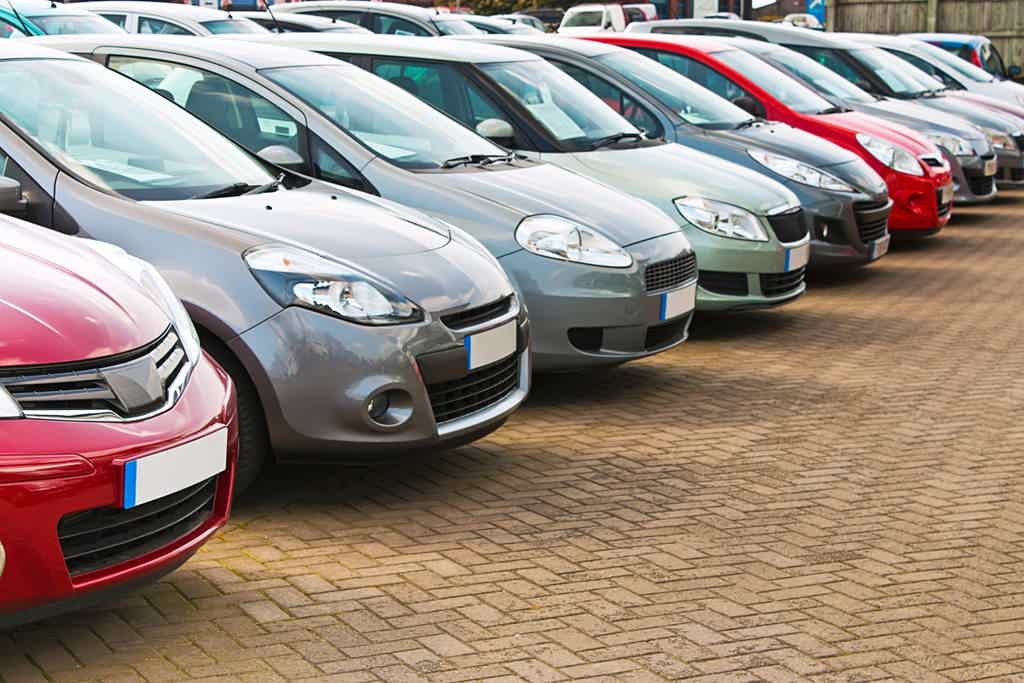
In times of pandemic and crisis, buying a brand new vehicle is often very difficult due to the high cost, so it's natural that many people look for a used car, but our question for you is: Do you know how to evaluate a used car?
Thinking about helping you with this endeavor, the experts at Senhor Carros have come together to put together today's article, which teaches you how to evaluate a used car, so you don't fall for scams, or salesman stories.
So, ready to learn how to evaluate a used car? Just keep reading our article!
Learn how to properly evaluate a used car.
Everyone has a friend or acquaintance who always gets good deals when buying a used car. In reality, success in this type of purchase is more about basic knowledge than luck.
Many sellers try to sell used cars for more than they're actually worth, which is why knowing how to properly assess a used car is so important.
The tips we're about to show you are very important because they can save you money or even prevent you from buying a car that's a real lemon.
You will be redirected to another website
Research prices before you begin your evaluation.
Before evaluating any car in person, research its prices beforehand. You can search for prices on online sales sites such as OLX, Webmotors, dealership websites, or parking lots.

After this preliminary research, our recommendation is: Visit the FIPE tableIt is considered the best option for understanding vehicle value and depreciation.
This will give you a great idea before you evaluate the used car you want to buy.
First, assess the bodywork.
The golden rule for evaluating a used car is to never inspect its bodywork on a rainy day, as water droplets can hide imperfections in both the bodywork and the paint.
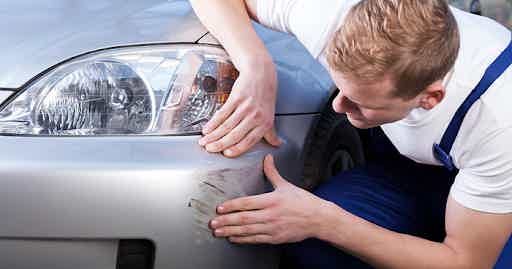
Another very important tip is to avoid the midday or late afternoon sun, as it can shine directly on the paint and also mask problems. Therefore, the ideal time to paint is to find a spacious and well-lit area in the middle of the morning or afternoon.
Observe all the joints.
Every detail needs attention. Therefore, when evaluating a used car, take your time. Haste will be your enemy in this process.
Start by checking the door openings, then move on to the hood, and don't forget the trunk. They should all be aligned, and the gaps need to be identical.
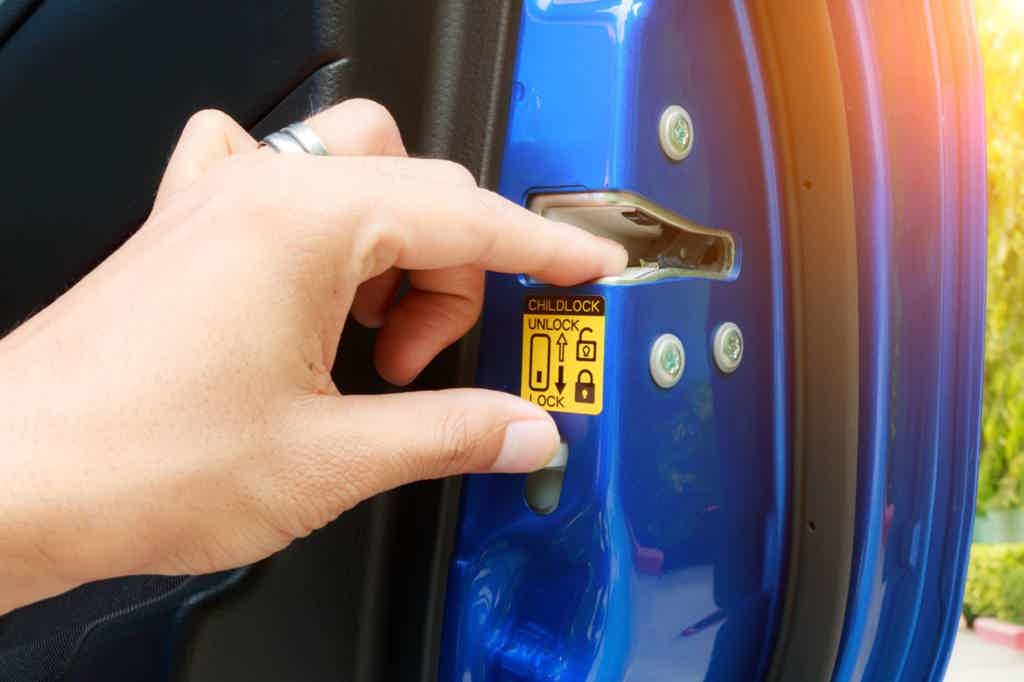
Doors scraping against the jambs and uneven fit are classic signs of accidents. Another very useful tip is to run your finger along the gaps between the doors.
The spacing must be the same across the entire width and on all doors. If one side has less spacing than the other, it indicates an accident resulting from a poorly done repair, or a chronic alignment problem.
Painting never lies.
Another great indicator when evaluating a used car is to pay attention to the paint job.
Differences in paint tone between the exterior and interior, especially on the doors and door frames, are a very important indicator. This difference needs to exist because the exterior of the car is varnished and shines more, while the interior paint is more matte.
When repairs are done, panel beaters leave everything in the same shade, making it clear that the car has undergone some kind of repair previously.
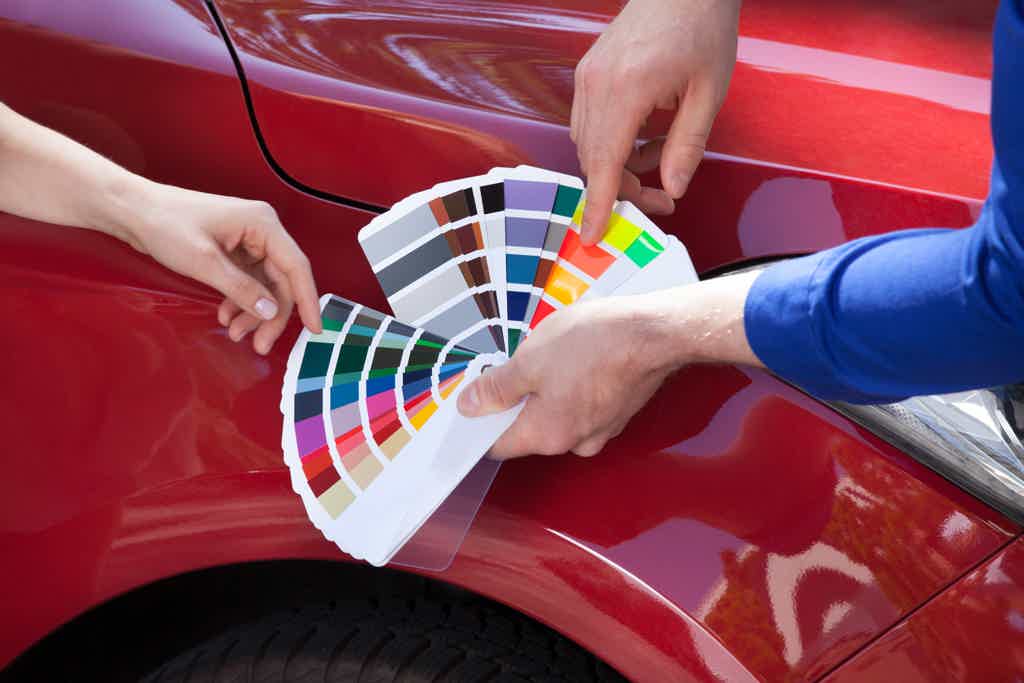
Next, face the car head-on, always keeping your face against the fender, and examine the entire side. This is an efficient way to see differences in paint texture, door misalignment, and even small dents that may have been missed.
Pay close attention to the taillights, grilles, headlights, and bumpers. Small paint spots in these areas indicate a repainting process.
Many workshops, instead of disassembling the bodywork, choose to cover these parts with paper to save time, and the result is small paint splatters that only the most attentive eyes can see.
Don't forget the trunk and roof.
When it comes to evaluating a used car, many people forget or simply don't know that they need to assess the trunk and roof.
Start by opening the trunk and lifting the spare tire. If the area where the tire sits is oval or dented, this indicates a rear-end collision that was very poorly repaired.
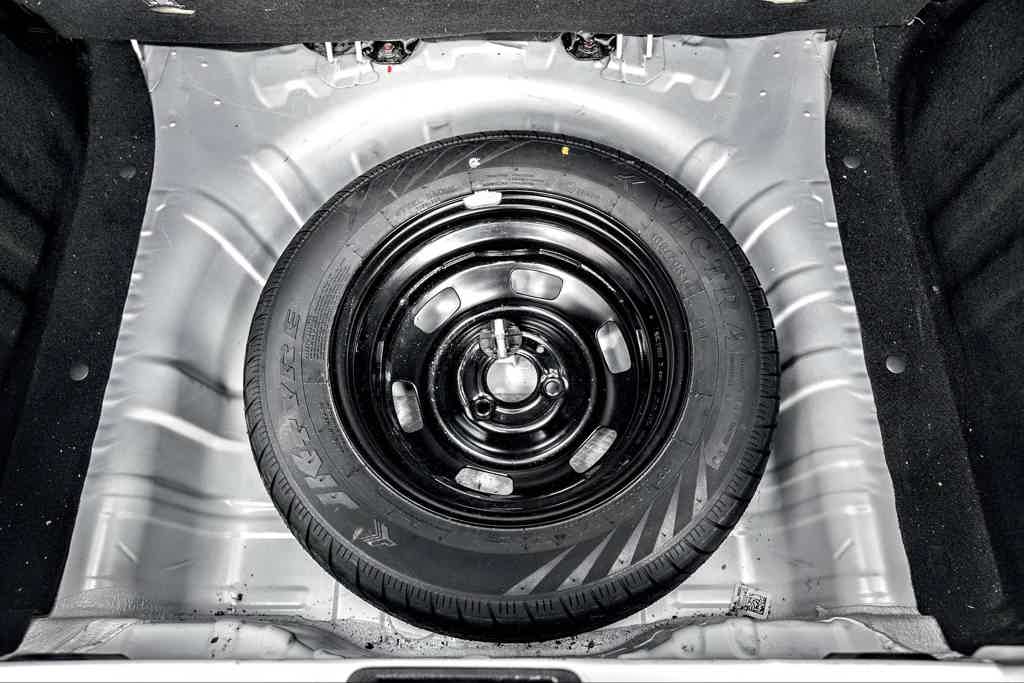
Another important point to analyze is the roof, where there will always be three rubber seals that reveal a new paint job: the one at the junction between the windshield and the hood, and the ones that hide the seams between the roof and the sides.
Therefore, ideally you should lift a small section to observe or simply run your finger under the rubber. If there is a difference in shade or any "step" in the paint, that means the bodywork has already been painted.
Pay attention to the solder points.
The solder points also need attention, but many people don't even know where these points are, so let's teach you!
The rubber seals around the door jambs are simply clipped in, meaning they can be easily removed.
By doing this, it's possible to find the original factory weld points. The distance between these points usually varies between 5 and 10 centimeters. The absence of these points or irregular spaces indicate that the bodywork has been repaired.
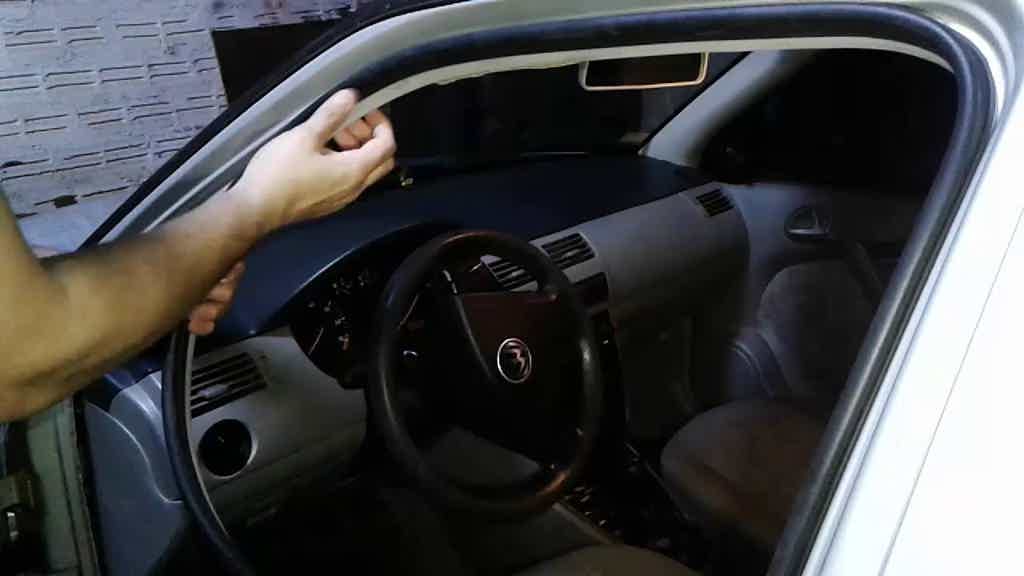
Some repair shops glue the rubber seals onto the door stops to prevent them from being removed, precisely to make it harder to discover a previous repair.
Check the chassis numbers.
Be sure to check that all the chassis numbers engraved on the glass match those on the car's registration document.
There are counterfeiters who don't remark the glass because usually nobody remembers to check it.
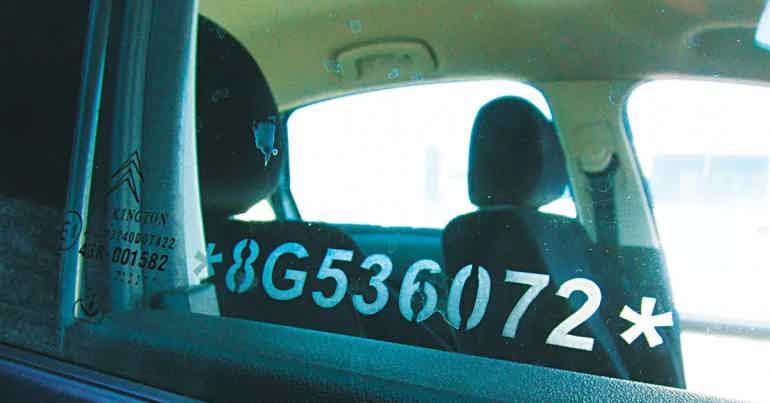
It's also important to check if the lettering pattern is the same across all markings. It's very difficult for counterfeiters to be able to reproduce the same factory pattern on a new glass.
Care items
Care items They also need attention. Start by checking the seats to see if they are firm and show no uneven wear.
Open the glove compartment and check if the owner's manual is there. If the current owner has the spare key, that's a positive sign and means the vehicle has been well cared for.
Test the electrical components.
Problems with electrical components can cause a lot of headaches and cost a lot of money, so keep an eye on them. Air conditioning, locks, windows, and wipers are the main items to check.
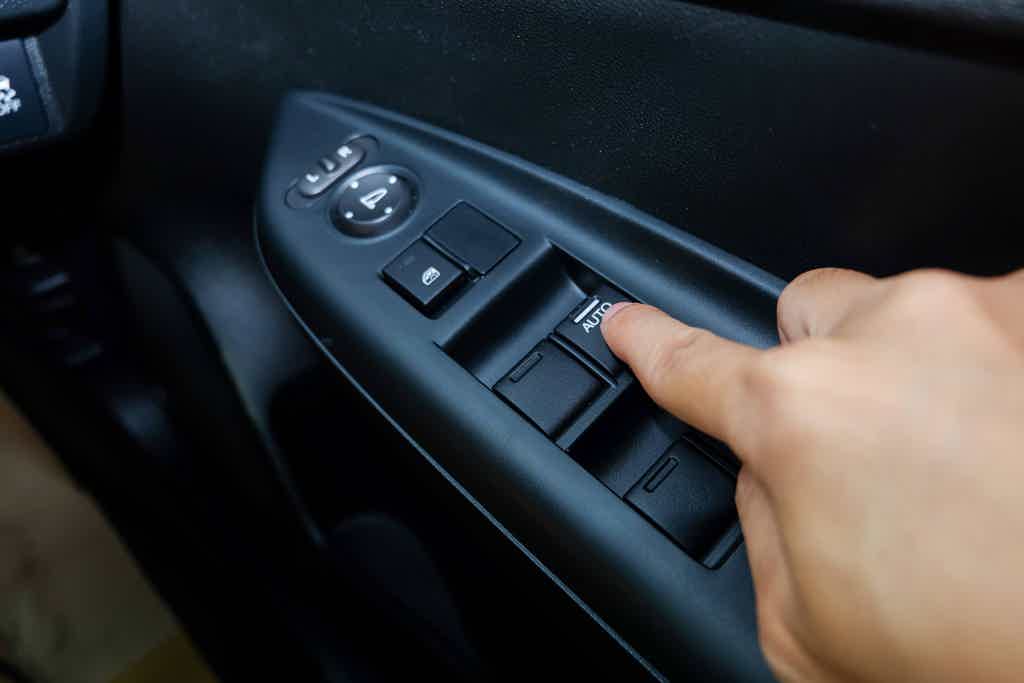
In addition, it's also important to check that all the vehicle's lights are working, including headlights, turn signals, brake lights, and interior lights.
Look at the car from underneath.
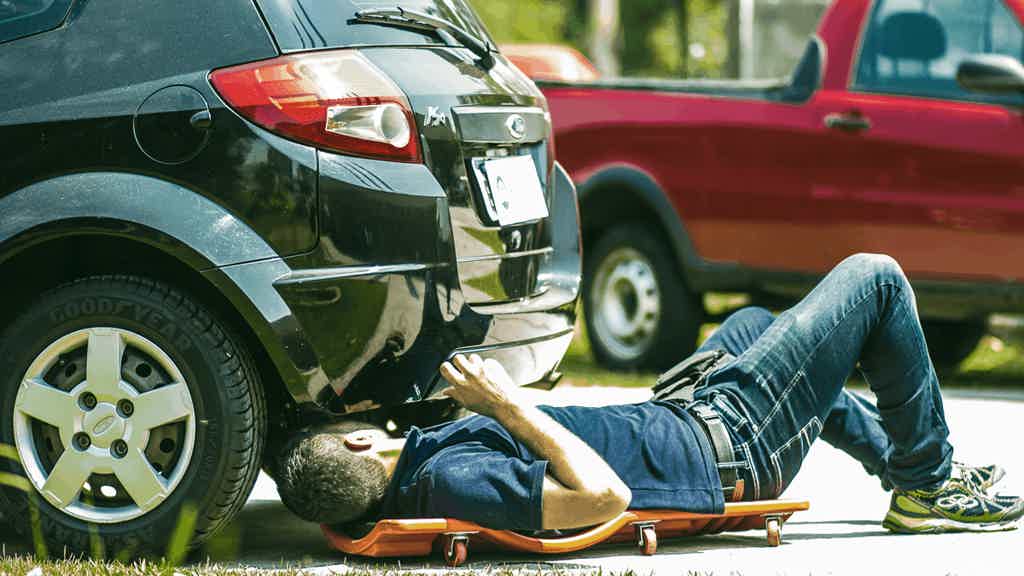
Here's another very important tip when evaluating a used car: Don't forget to look underneath it.
Therefore, go to a gas station or a trusted mechanic shop and have the vehicle put on a hydraulic lift. This allows for an easier inspection of the underside of the car.
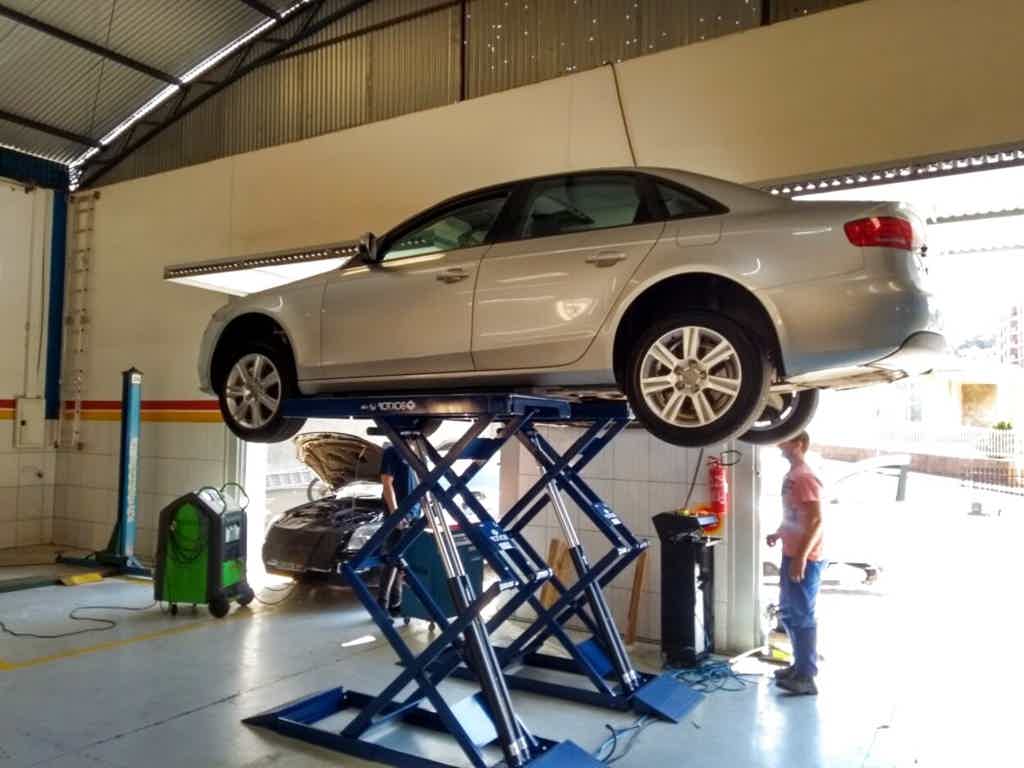
When inspecting the car from underneath, look for weld marks and cracks, oil leaks, and a rusty exhaust. Welds and cracks are signs of accidents, while leaks and rust in the exhaust indicate engine problems.
Airbag
In models equipped with airbags, it is recommended to turn the key and pay attention to the instrument panel on the dashboard.
When you turn the key, the airbag light should come on and then go off a few seconds later, indicating that everything is working properly. If the light does not come on, it means something is wrong.
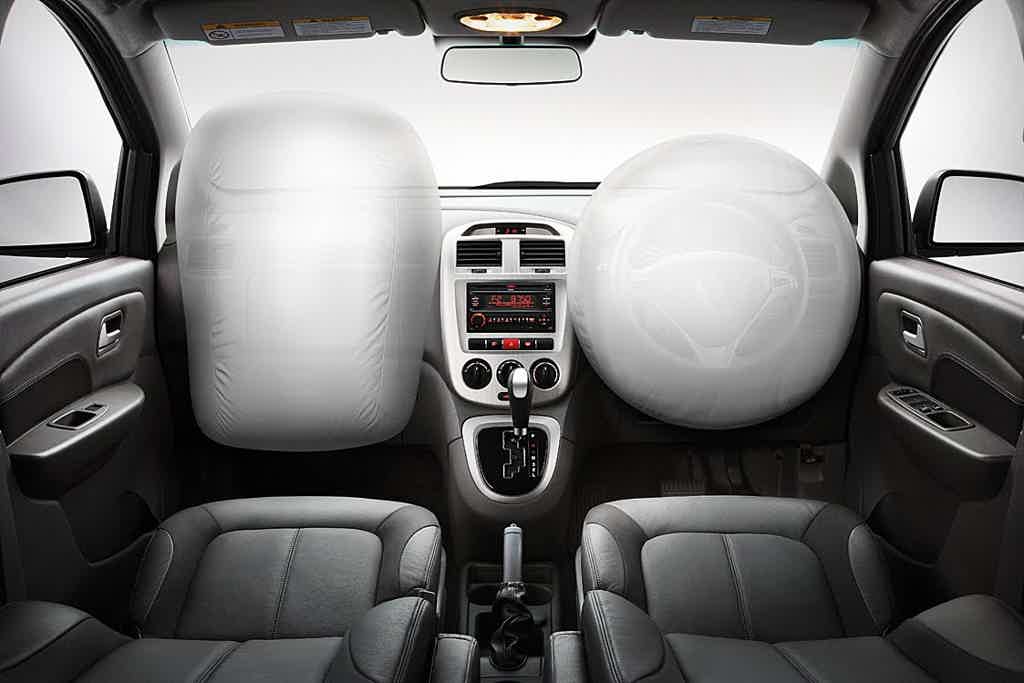
There are cases where the owner of a vehicle equipped with an airbag crashes, repairs the dashboard by turning off the warning light, and does not install a new airbag.
Signs of wear consistent with the mileage.
The odometer is one of the items most frequently tampered with in a used vehicle. Therefore, it's always important to check the brake pedal.
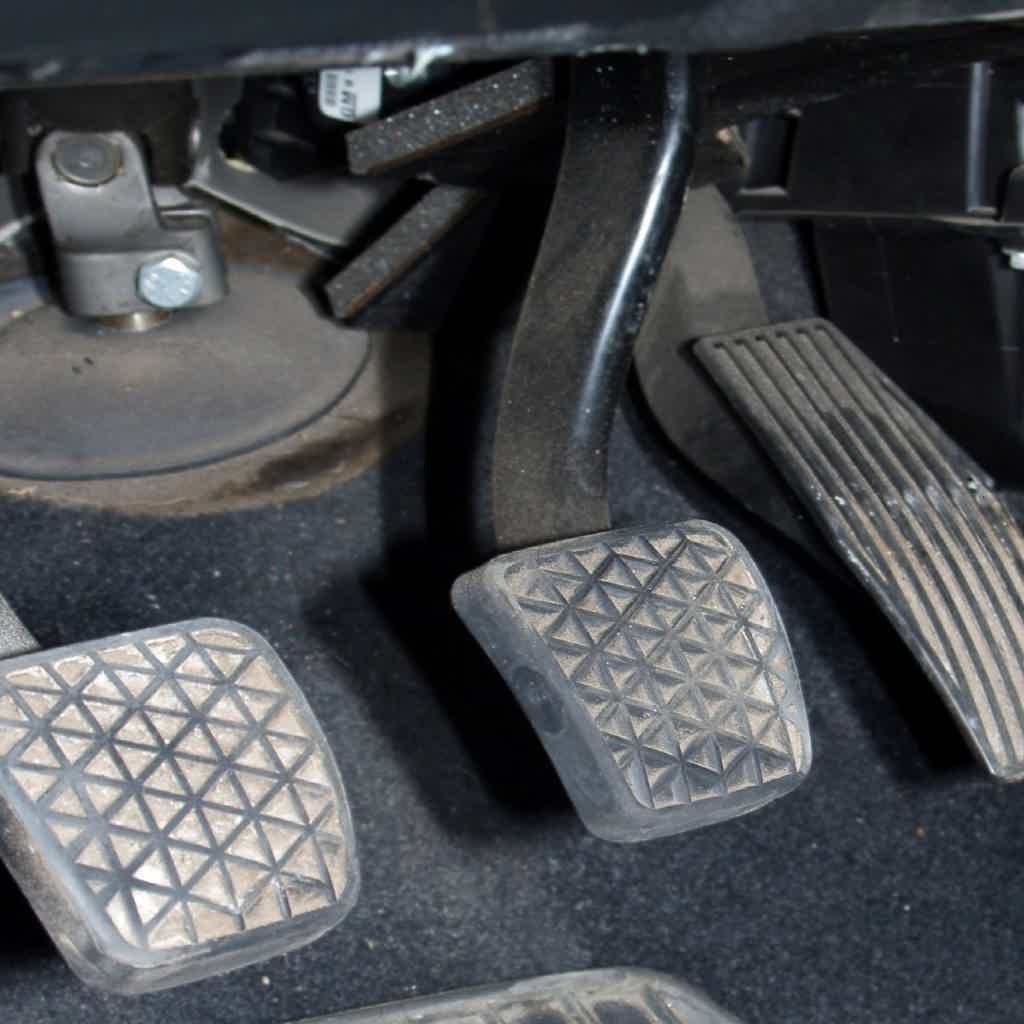
Worn pedals indicate that a vehicle has more than 60,000 or even 70,000 km on the odometer. The same is true for the steering wheel and gearshift, which lose their texture over time.
Observe the tire wear.
Another important point in the process of evaluating a used car is to check if the tires are worn evenly, if they are the same brand and from the same batch.
In cars with lower mileage – less than 30,000 km driven – there is no reason for them to have been replaced.
Cars with tires changed before this mileage may have experienced a problem such as a puncture or had their odometer tampered with.
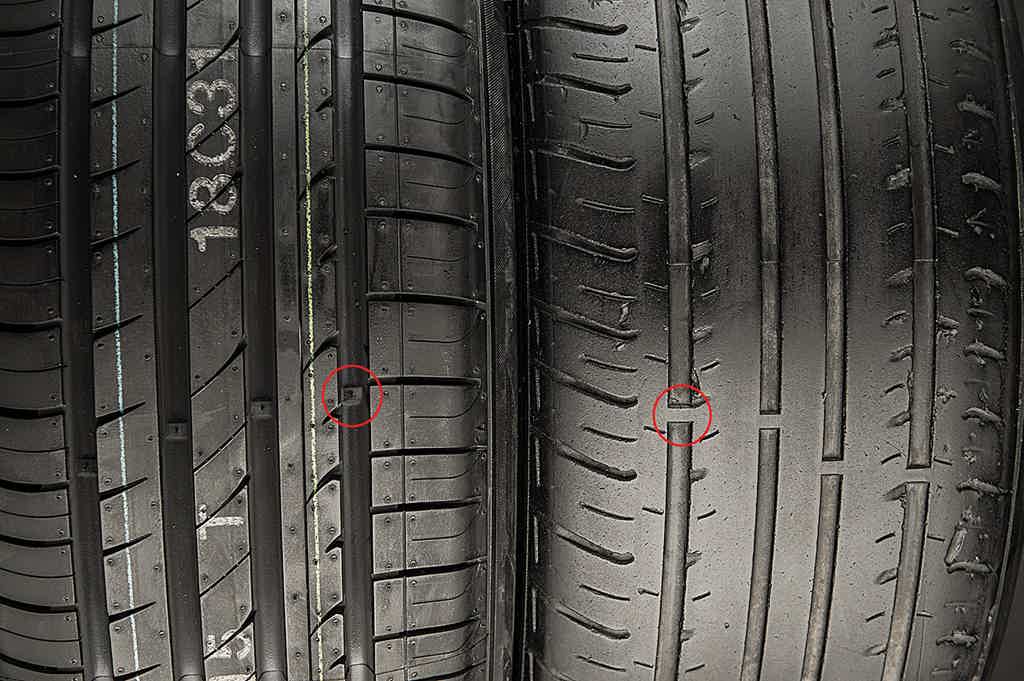
Tires with uneven wear and different sizes are synonymous with alignment or suspension problems.
Check out the mechanics
Checking the car's mechanics is a basic step when evaluating a used vehicle. Start with the basics, starting the car normally. If it takes a long time to start, it's a sign of play in the engine.
Another important step is to remove the oil dipstick for inspection. If the dipstick comes out with a whitish mixture, this is a bad sign that there is a mixture of water and oil.
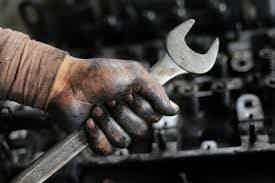
Normally, a car engine is dirty with dust and oil. A spotless engine is a sign that it was cleaned to hide problems or leaks.
Finally, start the car and let it run for a few moments, then go to the rear and observe the exhaust. If bluish smoke is coming out, it's a clear sign of engine malfunction.
Test-Drive in practice
If, after conducting all subsequent analyses, you haven't found any problems, it's time to drive the car.
During a practical test drive, check if the car makes any noise while braking; if it does, it indicates worn brake pads.
Try to notice if the car leans or pulls to one side. If this happens, it could be a simple misalignment or something worse, a symptom after a collision.

When driving the car you are evaluating, take it down a cobblestone street. It's the best way to check the suspension, shock absorbers, or for any unusual noises.
It is possible to enlist the help of specialists.
If you don't have the patience to conduct such a detailed assessment on your own, or if you truly don't understand the subject at all, that's okay, no problem! You can get help from specialists.
There are companies today that specialize in vehicle technical inspections. The analyses cost on average between R$ 100 and R$ 300 depending on the complexity requested.
These checks involve verifying a wide range of data regarding the vehicle's origin and general condition. Therefore, a fair and realistic value can be given to the vehicle you wish to purchase.
Conclusion
As you can see, evaluating a used car is a bit of work, but not difficult.
There's nothing wrong or bad about buying a used car, as long as a thorough inspection is done beforehand. This prevents you from having any problems later on, or paying more than the vehicle is worth.
The time has come to put what we've learned into practice, and from now on, only close the deal. good deals.
Now that you know how to evaluate a used car, how about letting more people learn the techniques we just showed you? To do this, simply share this article on your social networks.
How about checking out an article that shows you how to buy a good used car with discounts? Just click the button below!
Trending Topics

Banks to finance your motorcycle: the best options
Find out which are the best banks to finance your motorcycle and take advantage of the opportunity to acquire your vehicle in an affordable and easy way!
Keep Reading
How do bus auctions work in Brazil?
Understanding how a bus auction works is essential to making the right purchase and taking advantage of the benefits while saving money!
Keep Reading
MotarX Rental: Learn how to rent
You don't need to own your own motorcycle to enjoy rides and trips on amazing bikes. See how to rent one at MotarX here!
Keep ReadingYou may also like

VIP Auctions: The auction house with a wide reach throughout Brazil!
Mr. Cars | The best articles about cars on the internet! VIP Auctions: The auction house with a wide reach throughout Brazil!
Keep Reading
8 ride-sharing apps: check out other Uber-like options!
There are several ride-sharing app options for you to choose from! That is, you select the most affordable one with the best service for you!
Keep Reading
Omni vehicle financing: learn about it and find out if it's reliable.
If you need financing to buy your car, don't worry! Learn about Omni and find out if it's reliable!
Keep Reading


