Car Auction
Terms used in vehicle auctions: Learn the main ones.
Learn the key terms used in vehicle auctions and become a true expert before participating, bidding, and winning any type of vehicle.
Advertisement
The main terms used in vehicle auctions
In theory, participate in auctions Buying cars, trucks, and motorcycles isn't that complicated; however, knowing the terms used in vehicle auctions is a great way to understand even more about this world where it's possible to find vehicles for up to half their list price.
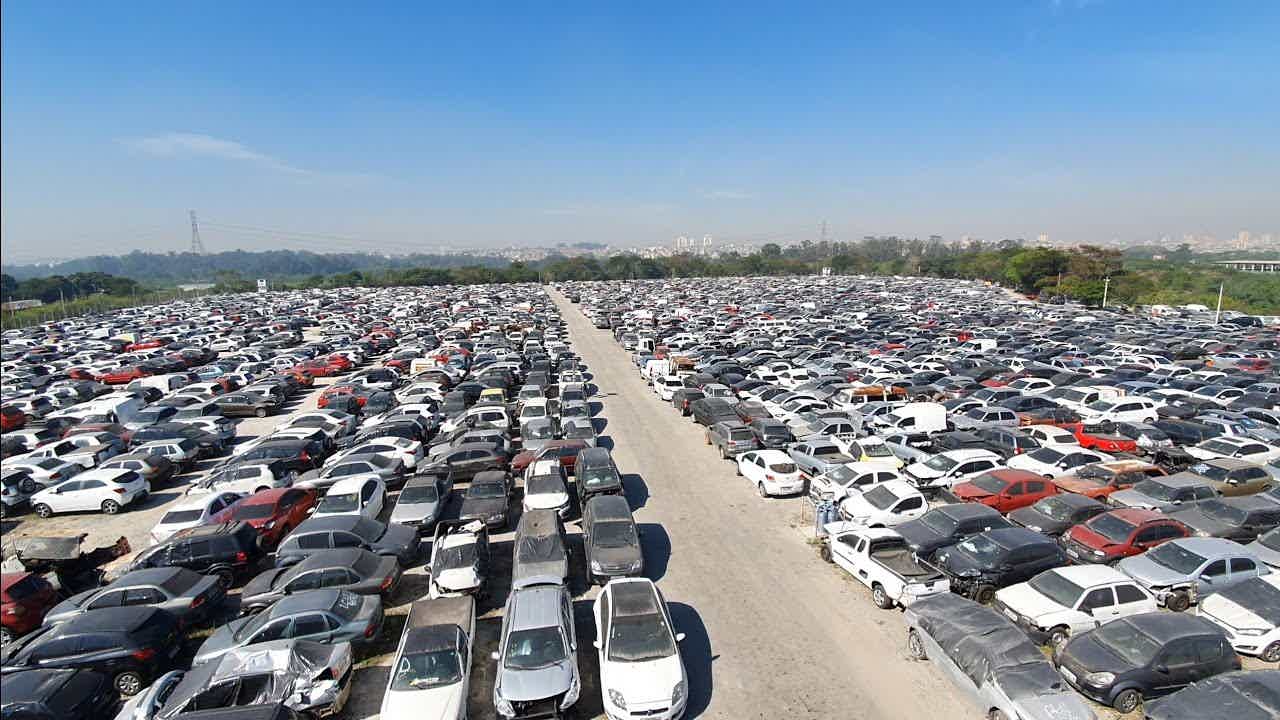
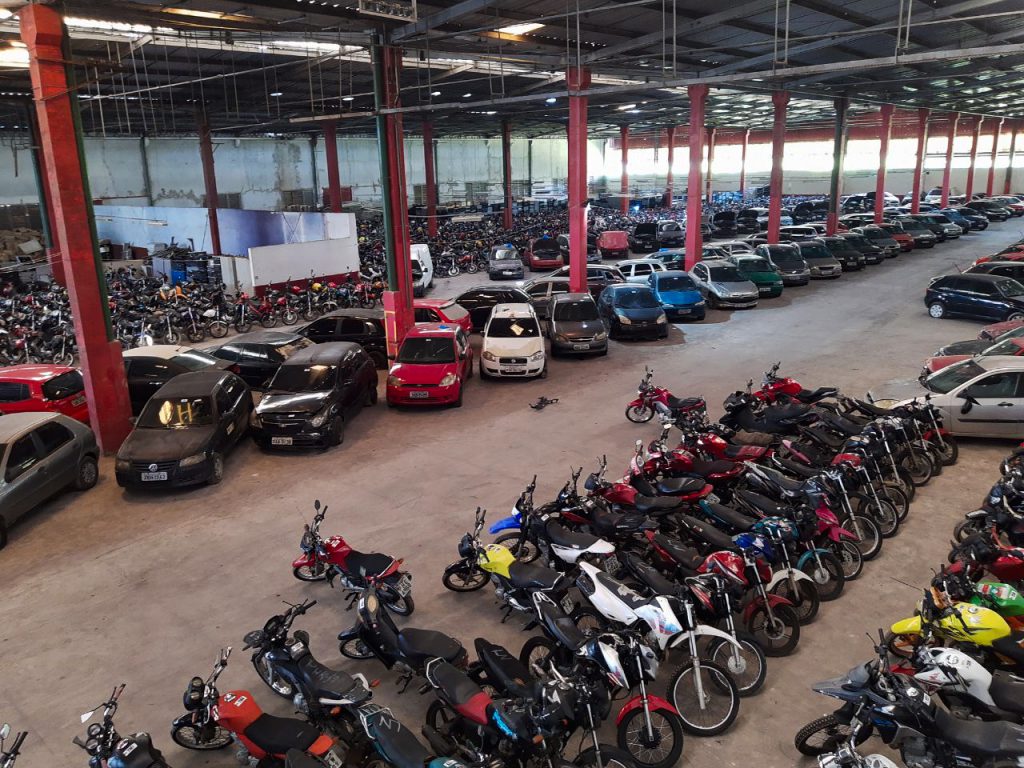
How to participate and where to bid at auction.
Learn the steps to participate in an auction, and discover where you can find vehicles to buy at great prices!
With the car, motorcycle, and truck market offering exorbitant prices, many people have been turning to auctions to buy vehicles.
The search for auctions is somewhat obvious, as this is the best way to pay a fair price for a vehicle.
Another important point to highlight about vehicle auctions is that they are safe and within the law.
In fact, contrary to what many people imagine and even claim, it is possible to get car insurance for a car purchased at auction.
If you're looking to participate in a vehicle auction, but want to gather as much information as possible about this type of purchase first, you've come to the right place.
Today we're going to show you the main terms used in vehicle auctions.
Buying your vehicle for up to half the price starts here!
You will be redirected to another website
Terms used in vehicle auctions: Learn the main ones.
Auctioneer, principal, transfer, lot, minimum increment. Have you heard any of these terms before?
Probably not!
That's because, typically, only people who are more familiar with the vehicle auction market know their meanings.
The important thing is that if you plan to participate in an auction, you need to know the meaning of all these terms to understand the buying and selling process.
Knowing these terms ensures greater security when buying and provides a better basis for deciding whether it is indeed a good deal to try to buy a particular vehicle.
Since Senhor Carros' goal is to help you, today we'll explain the meaning of the main terms used in a vehicle auction.
Let's learn?
Auction notice
As expected, we have to start by talking about the Auction Notice!
This is undoubtedly the most commonly used term in a vehicle auction.
The Auction Notice is simply the official document that publishes all relevant information for those interested in participating in the negotiations.
The announcement will always contain:
- The date and time when the auction will be held;
- Information about the vehicle to be auctioned, such as its condition;
- Auctioneer's details;
- Payment methods when winning the lot;
- Procedures for retrieving the auctioned vehicle.
In layman's terms, the official announcement contains all the rules of the game.
Therefore, careful reading is essential to ensure the safety of the entire process, your responsibilities, guarantees, and even to assess whether a particular opportunity is truly right for you.
Principal and successful bidder
These are two of the most talked-about terms in the auction market, for sure, and that's no coincidence.
After all, they are the key and consequently most important pieces of the entire process.
Let's learn what each of these terms means.
The principal is simply the seller at the auction. In other words, it is the one who makes the goods available for sale.
It can be an individual or a legal entity, such as banks, financial institutions, construction companies, or fleet management companies.
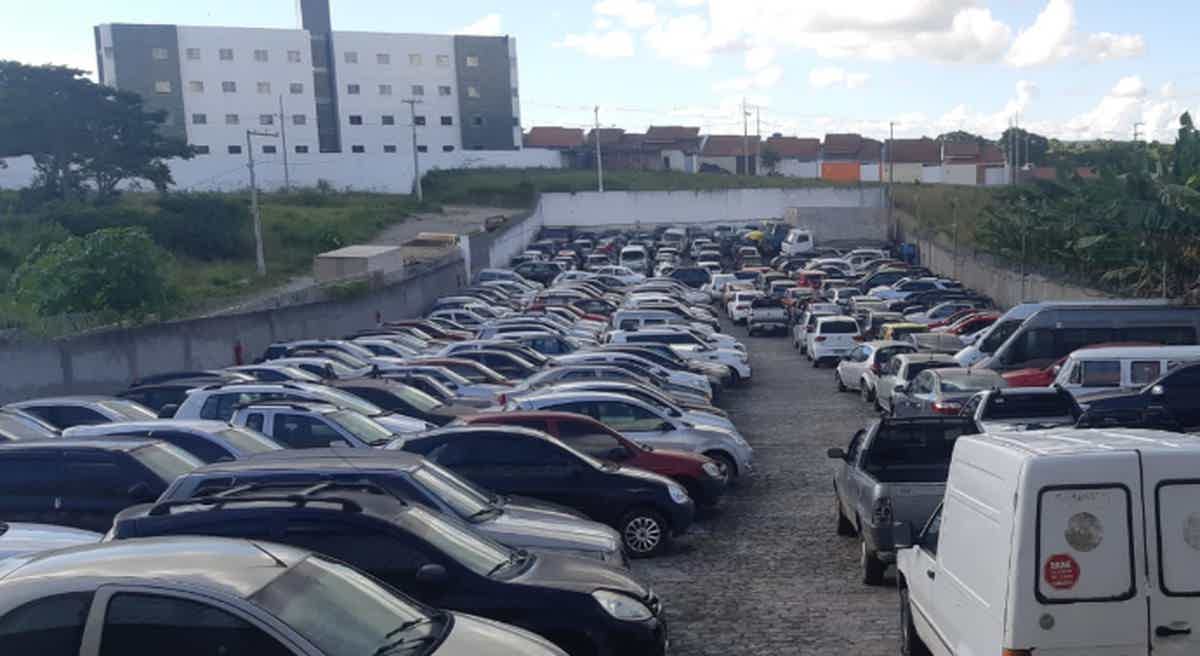
The winning bidder is the one who made the final bid in the auction and won the competition.
In this way, all he needs to do is present the required documents and make the payment to effectively become the buyer of the auctioned property.
Batch
"Lot" is another term used in vehicle auctions.
In fact, it's safe to say that this is the most commonly used term in any type of auction.
A lot is the term used to refer to a set of one or more items auctioned in each bidding process.
The items are divided in this way according to their characteristics, which helps to make the auction more agile and functional.
This means that when you bid on a particular lot, you are offering a value for all the items in that lot.
Therefore, it is essential and fundamental to carefully review the auction notice to find out if the vehicle you are looking for is being sold individually or as part of a series of other vehicles.
In vehicle auctions, it is very common for the lot to consist of only one property, that is, just one car, or a motorcycle, or a truck, for example, due to its value.
However, when we talk about scrap metal auctions, a single lot can contain a number of parts and pieces for sale.
Minimum increment
To prevent the bidding from revolving around very low bids, such as cents or tens of reais, the auctioneer sets a minimum increment value for each lot.
The minimum increment is the amount that must be added to each new offer.
Consider the following example:
If the last bid offered for a car was R$ 5,000.00 and its minimum increment is R$ 500.00, subsequent bids must be made adding R$ 500.00.
In other words, they could be R$ 5,500.00; R$ 6,000.00; R$ 6,500.00 and so on until a winner is determined.
It's important to note that the auctioneer can change the minimum increment during the auction.
This usually happens because of its dynamics.
Therefore, it's important to pay attention when this happens so you can assess whether it's worth continuing in the competition.
Bids
By now, you surely know that bids are offers made by competitors for a lot and that they must respect the established minimum increment.
The key detail is that in the auction market, there are specific types of bids that may be stipulated in the auction notice.
One of them is the starting bid, which refers to the minimum offer accepted in a bidding process.
It's important to keep in mind that this value isn't always disclosed, and if the figure isn't reached, the auctioneer may end up accepting a lower offer than the one initially set by the client for the sale.
In this case, this lower bid is called an unconditional bid, also known as an offer, and it can occur even if the bid made is not the initial bid.
This happens because, in some situations, the values are registered below the established amount, precisely to try to sell the lot with that offer as well.
If, during the bidding process, the price reaches the amount determined by the client, the lot is finalized and considered sold.
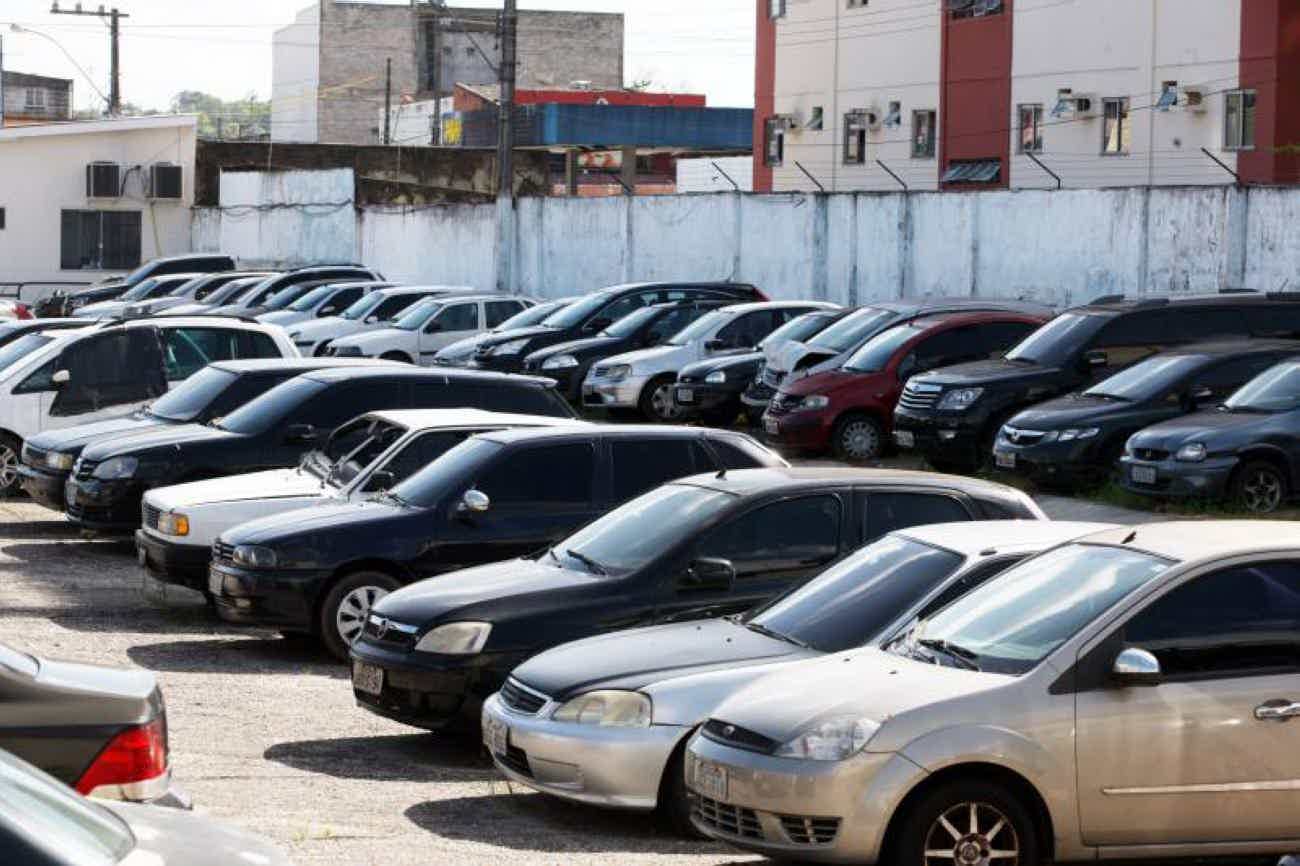
Those who want the chance to win a lot without having to follow the auction in a virtual auction can opt for automatic bidding.
In this mode, the participant sets the maximum amount they are willing to pay, and after each bid from competitors, the system automatically charges up to the specified limit.
And finally, there's the manual bid!
A manual bid is an offer defined and made by the participant themselves. It is the most common type of bid.
Judicial auctions
Continuing with the terms used in vehicle auctions, we have what are called judicial auctions.
This term refers to vehicle auctions that involve a legal process within the judicial system, such as labor, civil, or tax enforcement proceedings.
They must be determined by a judge for the purpose of using the funds raised from the negotiation to settle debts or litigation costs.
In these cases, it is important to point out that bids are made according to the percentage previously established by the judge.
However, there is a small chance that a bid will be accepted if it is lower than the established amount.
Therefore, consistency is needed when making bids, since bids that exceed a 5% discount will usually not be accepted.
Another option, if desired, is for the winning bidder to offer payment in installments in relation to the initial bid.
For this to happen, the proposal must be sent via email, as established by article 895 of the Code of Civil Procedure, so that it can be presented to the judge.
Therefore, if there are no online bids, it may or may not be accepted by the Judge.
Something important to say about this term, and consequently this type of auction, is that it should be avoided.
Because this is an auction that still involves jurisdictions, former vehicle owners may file appeals that will hinder the release and adjustment of documentation.
Extrajudicial auction
This type of auction is motivated exclusively by the interest of the owner of the property being offered, without any connection to legal proceedings.
To do this, you need to seek out certified auctioneers or auction houses that mediate the sale. This ensures security and advantages for this type of purchase.
They can also occur due to non-payment for assets pledged to financial institutions, as is the case with many cars. motorcycles and trucks.
When this happens, the company that provided the financing repossesses the asset and puts it up for auction as a way to compensate for the breach of contract.
Unlike judicial auctions, extrajudicial auctions are the best type of auction to participate in.
There, you can find vehicles in excellent condition for surprisingly low prices.
If you're thinking about participating in auctions, extrajudicial auctions are the best. Always focus on those.
Three-minute rule
And to conclude our article on terms used in vehicle auctions, we have one last term: the three-minute rule.
In online auctions, when there is a seizure of assets to pay debts or legal proceedings, interested parties participate in the auction in real time via the internet.

For each offer, there is a pre-established date and time for it to end.
However, with the three-minute rule, it is established that the lot will only be truly finalized after three minutes have passed without any new bids being submitted.
Furthermore, it is also worth highlighting that this rule serves for auctions only Online, since in simultaneous auctions the auctioneer sets the closing time for the lot while the process is underway.
Conclusion
As we have shown many times, auctions are excellent alternatives for those seeking a quality vehicle at much lower prices than usual.
However, knowing the terms used in vehicle auctions is essential to stay informed about the negotiations, understand all the processes, and make a good purchase.
Now that you know the main terms, how about learning the key steps to take before participating in an auction and where to find a vehicle to call your own?
To help you with these two issues, we've prepared an article with safety tips, all the steps to become accredited to participate in this type of business, and most importantly: Where to find your copy.
To have all this information at your fingertips, all you need to do is click below!
How to participate and where to bid at auction.
Learn the steps to participate in an auction, and discover where you can find vehicles to buy at great prices!
Trending Topics

The 10 most fuel-guzzling cars in Brazil in 2021: Find out which ones they are.
Find out which are the 10 most fuel-inefficient cars in Brazil in 2021 and make an economical choice when choosing your model!
Keep Reading
Auction Park: How to register to buy
Excellence, tradition, and reliability are what you'll find when buying a car at Parque dos Leilões. See here how to register and buy!
Keep Reading
Find out everything: Ford Territory arrives to spice up the SUV market.
Mr. Cars | The best articles about cars on the internet! Learn all about the Ford Territory, which is arriving to spice up the SUV market.
Keep ReadingYou may also like

How to find vehicles with below-market prices
Discover tips and strategies for finding vehicles at below-market prices and save money on your next purchase!
Keep Reading
Loan secured by a financed vehicle: a profitable deal!
Mr. Cars | The best articles about cars on the internet! Loan secured by a financed vehicle: a profitable deal!
Keep Reading
Business auction: how and where to buy a vehicle?
Follow a step-by-step guide on how to buy at a business auction and receive tips on reliable companies to get your vehicle at a low price!
Keep Reading


