Lists
Don't hesitate: 7 mistakes to avoid to save gas.
Learn about the main mistakes many people make that should be avoided by those seeking to save on gasoline during times of high fuel prices.
Advertisement
Saving gas is very easy.
Saving gas has become almost an obligation for everyone who owns a car in Brazil, after all, fuel accumulates. recurring highs in 2021 and mainly affect those who depend on their vehicle to provide for their family.
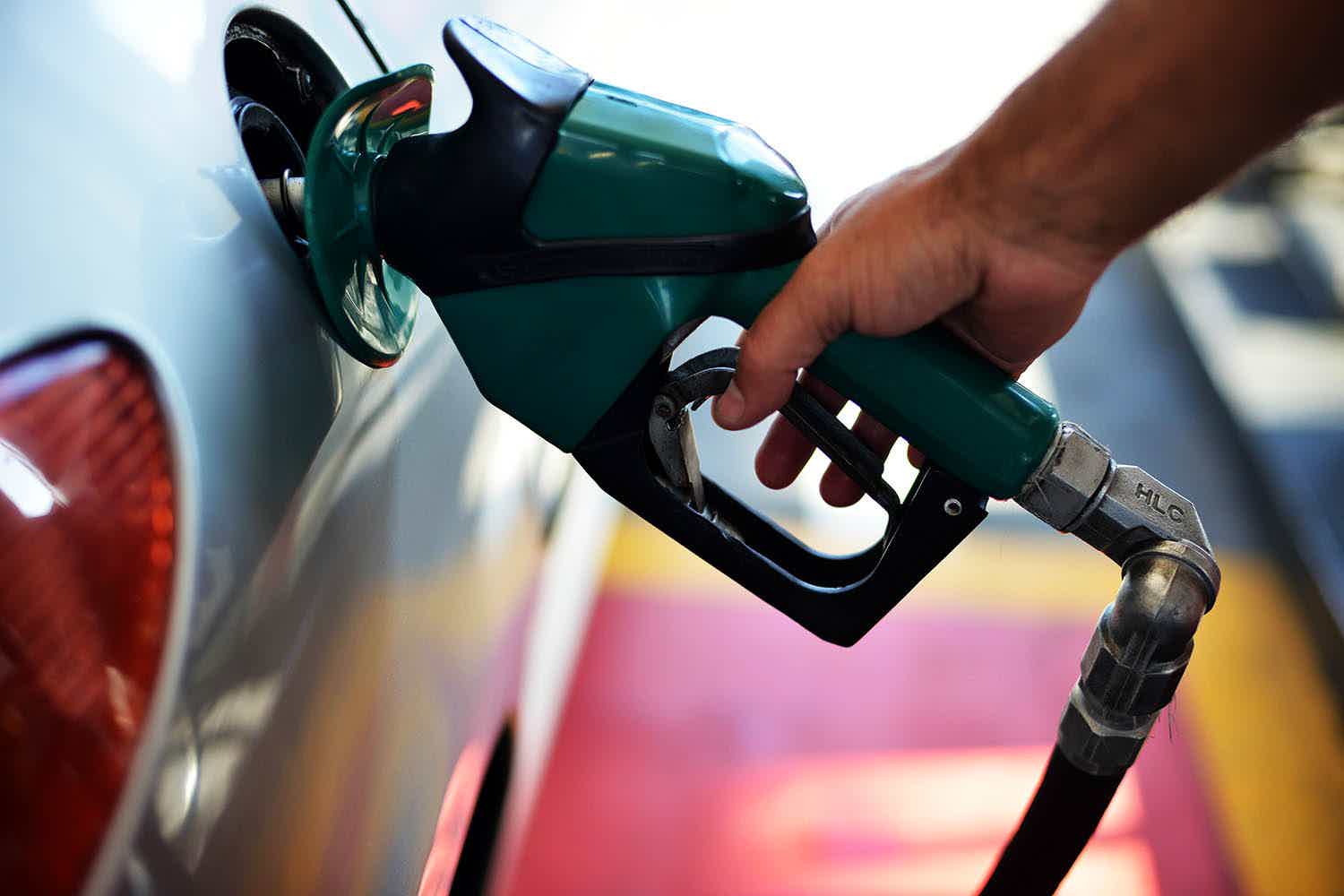
Hearing someone say "I'll give you a ride home" is better than the famous "I love you."
Joking aside, there are many mistakes drivers make that increase their vehicle's fuel consumption.
Following our goal of always keeping you informed, today we've compiled the main mistakes to avoid while driving so you can achieve one of the most important goals these days: saving gas.
Let's check out what those mistakes are?
You will be redirected to another website
Saving gas: 7 mistakes that increase your car's fuel consumption.
Discover now the main mistakes made by all types of drivers that increase fuel consumption. After reading today's article, you'll become an expert in saving gas.
7. Driving the car in neutral
If you have a car with a manual transmission or even automaticDo not try to use the momentum gained to coast a few meters in neutral. In this type of situation, the engine will operate at idle speed and may give the impression that it is consuming little fuel.
But it's just an impression.
When the engine is not coupled to the movement of the wheels, the electronic injection system will continue to inject fuel so that the engine continues to run.
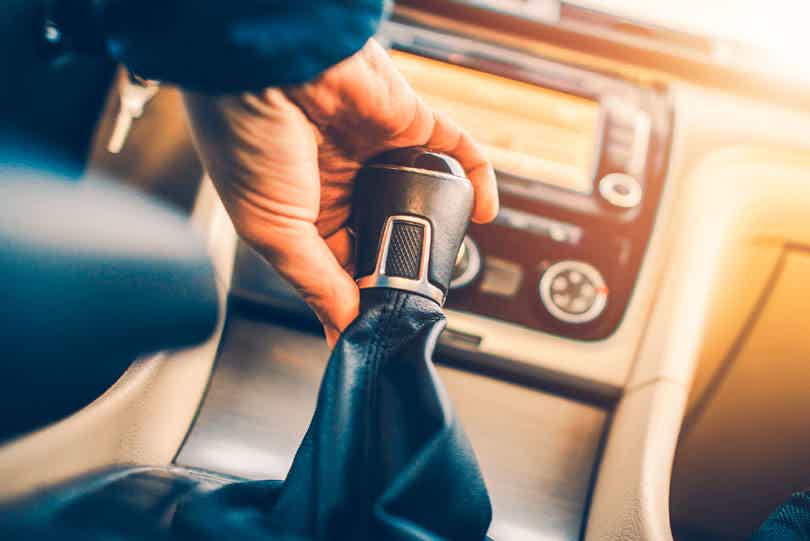
This technique worked in the past, when carburetors still dominated engine fuel supply.
In the case of vehicles with automatic transmissions, there is the added problem that this technique can damage the transmission itself, which should not operate in neutral while the car is in motion.
If you had this habit, our advice is an order: never do it again.
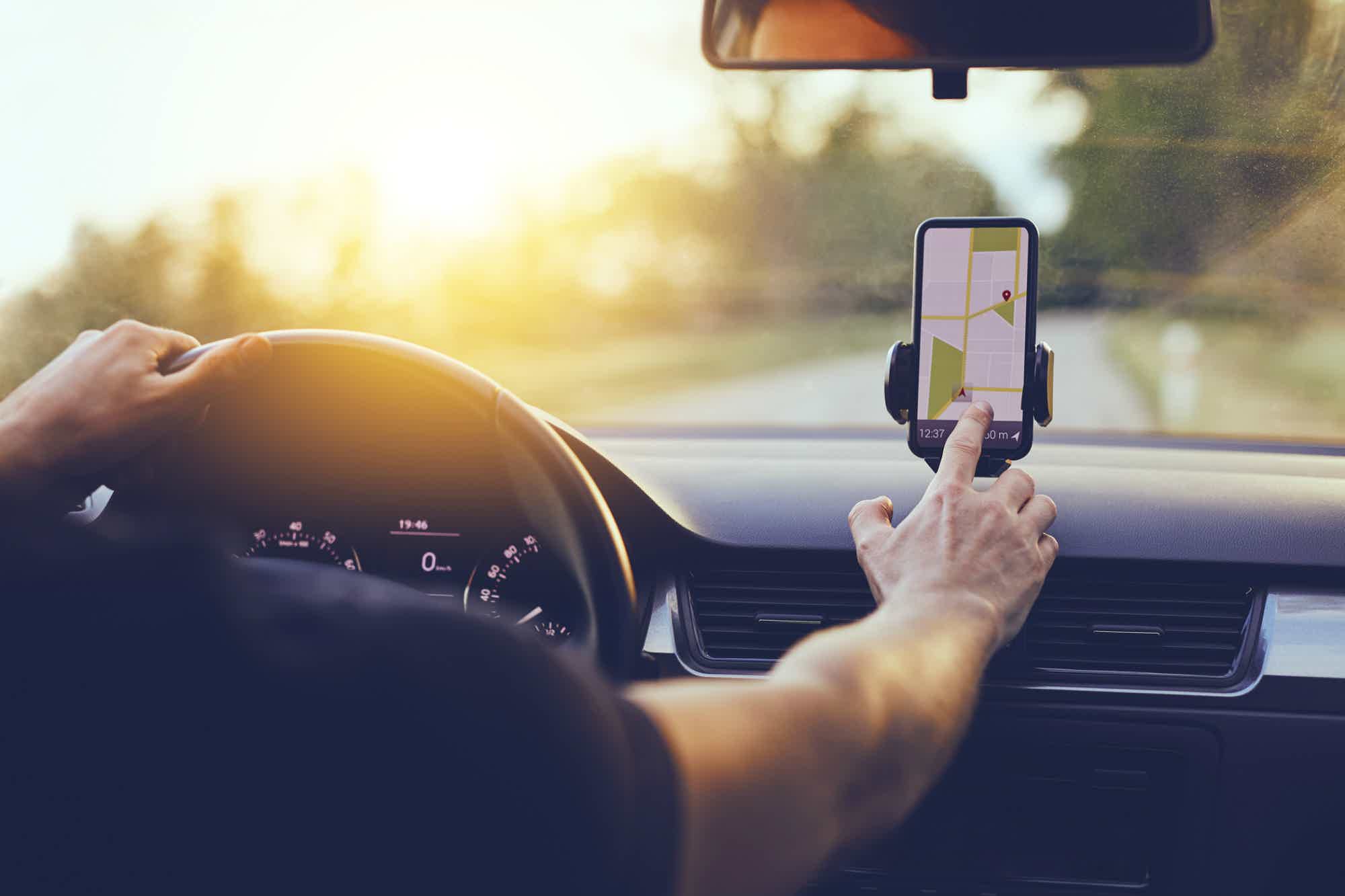
6. Put the GPS aside.
This is a very common mistake, mainly made by those who live in large urban centers.
Knowing the city might lead many people to think they know how to get to a certain place, but that's not always the case in practice.
Those who drive in large cities often miss the entrance to a bridge or take the wrong exit, which makes the journey even longer and causes unnecessary fuel consumption, wear and tear on other vehicle components, and a loss of time.
Furthermore, using GPS is a strategy to avoid traffic, and the less time spent stuck in traffic, the greater the fuel savings.
5. Use the car for short trips.
The premise for owning a car is to use it to the fullest extent; however, when the subject is... to save money gasoline, this might not be so functional.
Using a car for short trips often increases not only the owner's fuel costs, but also expenses on other components such as tires, oil, and even brakes.
And there's more. For those who live in big cities, in addition to the cost of gasoline, there are also the costs of parking and potential fines.
Therefore, if your round trip is short, the ideal option is to choose public transportation. ride-hailing appsYou can rent a car, like with Turbi, or even go on foot or by bicycle.
4. Forgetting to check tire pressure.
Calibrating tire pressure is a simple task, but it needs to be done frequently, and many people end up neglecting it, either due to forgetfulness or sheer laziness.
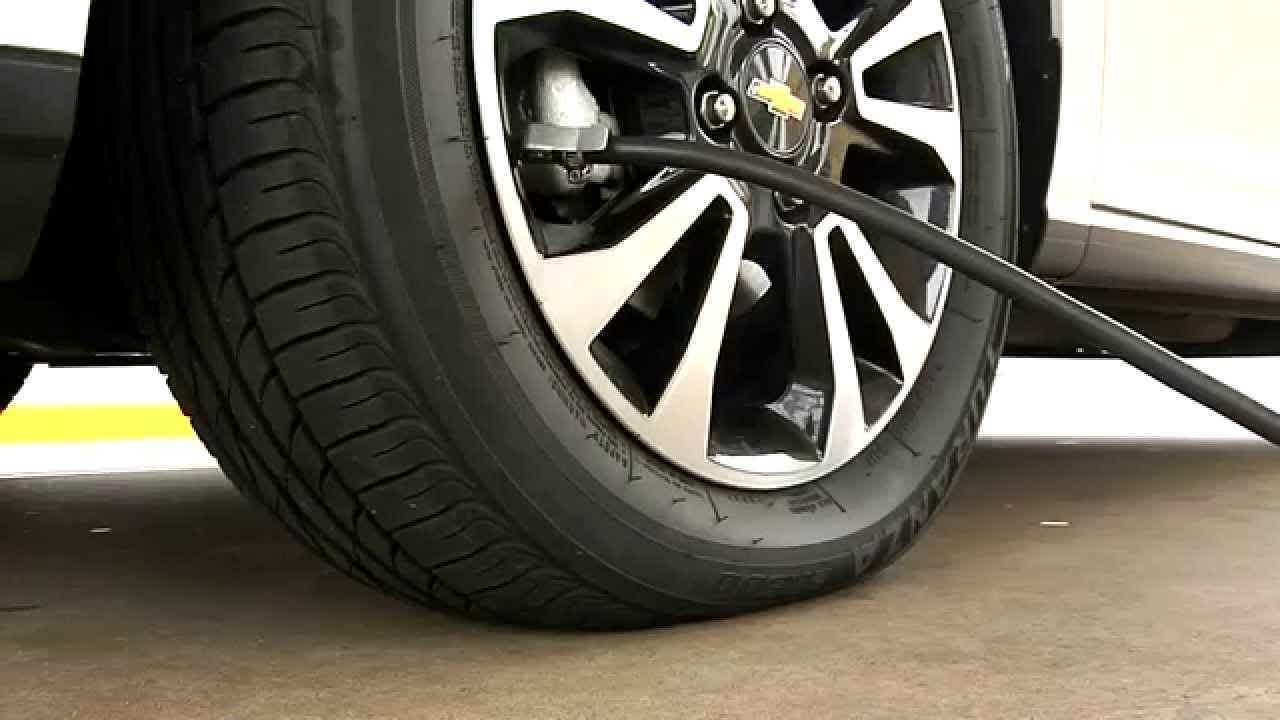
Maintaining proper tire pressure directly impacts fuel consumption, especially during highway driving.
Underinflated or incorrectly inflated tires can interfere with engine performance and be very expensive when it comes to refueling the car.
So the tip here is simple: Check your car's tire pressure every week, while the tires are cold.
After the tire heats up, the air inside expands, causing a higher pressure reading on the gas station's tire gauge.
In other words, the system will interpret that there is more air inside the tire than there actually is, and as a result, you will be driving with tires that are more deflated than they should be.
You already know the result, right? Higher fuel consumption.
3. Carrying unnecessary extra weight
Some people tend to accumulate more clutter the more drawers they have, and unfortunately, many carry this habit over into their cars as well.
It may seem silly, but carrying any kind of extra weight in the car affects fuel consumption.
Therefore, always check if there are any loose items in the trunk or back seat. If there are, assess whether it's really necessary to carry them up and down the stairs.
Although they may seem light, the combined weight of the items can mean an extra passenger. And as we know, carrying extra weight doesn't help save gas.
2. Lack of maintenance
For those who want energy efficiency and want to make the most of every drop of gasoline, it is necessary to strictly follow the maintenance schedule established by the manufacturer.
This means respecting the time or mileage intervals, as well as the replacement parts recommended by the manufacturer. In practice, (almost) nobody does this.
Among the items that deserve the most attention are the spark plugs, the engine's valve lifters, and the tires.
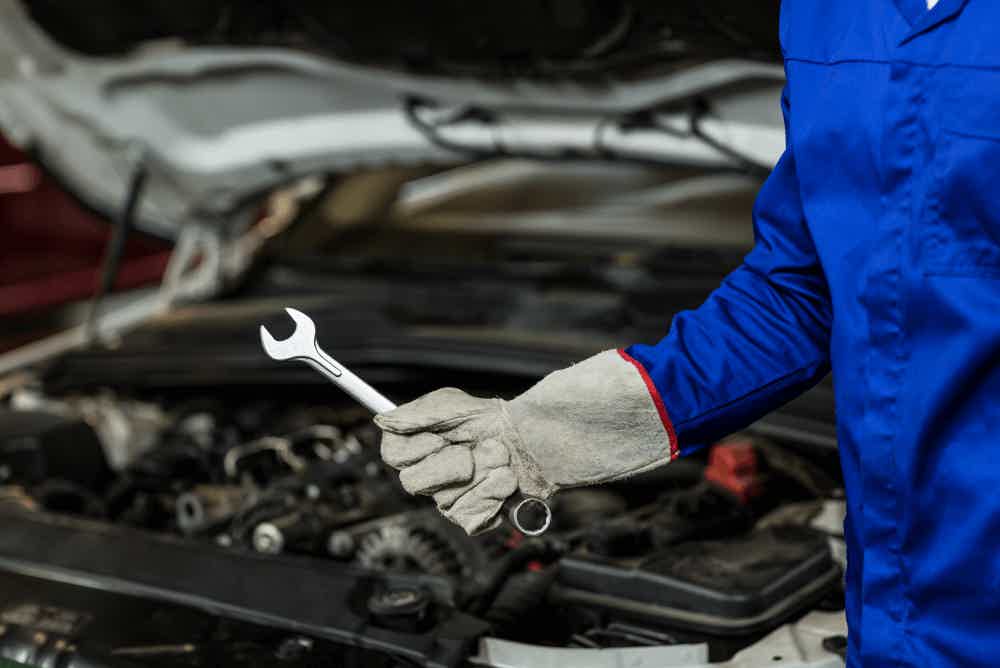
Many cars are designed with specific parts and tires, especially low-friction ones.
Therefore, just as important as proper maintenance is replacing parts correctly.
If you have any questions, simply consult the owner's manual.
1. Fill up with cheap gasoline
And last but not least, if you want to save on gas, don't buy the cheapest option.
With the goal of saving money, many people end up filling up at gas stations that offer the lowest prices.
Low price is not synonymous with adulteration, but it's worth being suspicious when the prices charged are below the average of the competition.
If you chose to fill up your car at a gas station that offers a lower price and you noticed a drop in performance or an increase in fuel consumption, file a complaint or ask for a receipt from the gas station: this is a classic sign of adulteration.
Therefore, beware of classic penny-pinching tactics.
The most fuel-efficient car in Brazil
Just as important as knowing how to save gas is knowing which vehicles are considered fuel-efficient.
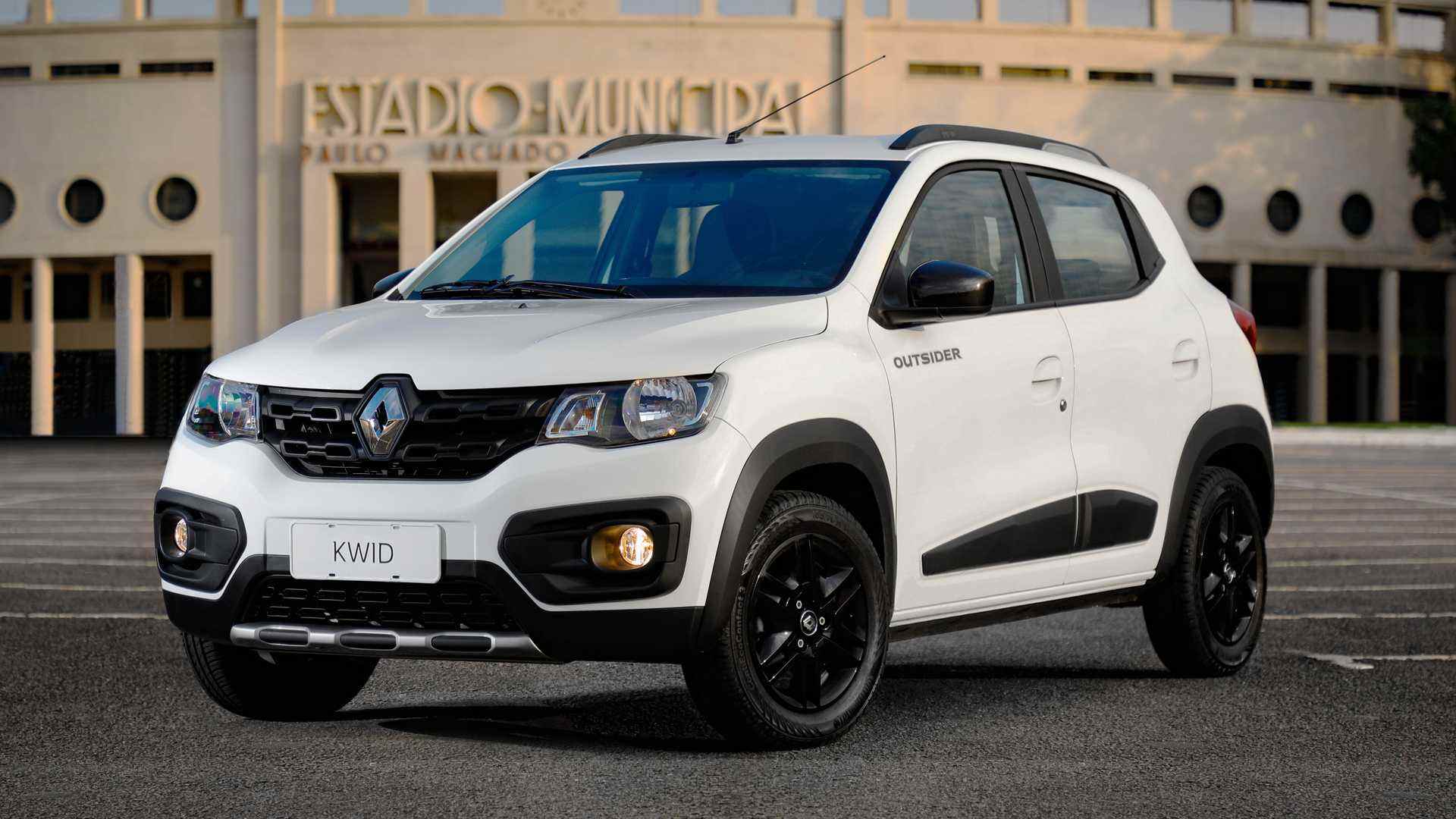
And since we at Senhor Carros don't waste time or miss the boat, we've put together an article that fully analyzes the Renault Kwid, the most fuel-efficient car in Brazil.
If you're looking for an economical car to call your own, just click the button below to discover the most fuel-efficient car in the country.
Trending Topics
Cars for ride-sharing drivers: 10 models with excellent cost-benefit ratio
Many people are choosing to work with ride-sharing apps. Discover the best car options for app drivers and make the right choice!
Keep Reading
Find out the different ways to rent a car at Localiza Hertz.
Mr. Cars | The best articles about cars on the internet! Find out the different ways to rent a car at Localiza Hertz.
Keep Reading
Rentcars: learn about it and find out if it's worth it!
Rentcars is a platform that compares car rental prices for those who need to rent a vehicle, but is it worth it? Check it out here!
Keep ReadingYou may also like

Electric bicycle or motorcycle: which is the best option?
Practicality, economy, safety, comfort... All of these should be considered when choosing between an electric bicycle or a motorcycle. Learn more!
Keep Reading
Is Senhor Carros a safe website?
Get to know Senhor Carros in more depth. Learn about the topics covered, its reliability, and its privacy policy!
Keep Reading
Driver's license category B: what vehicles can you drive?
There are several driver's license categories, but what vehicles can you drive with a category B license? Four-wheeled vehicles, like cars!
Keep Reading


