Articles
Bad driver: find out if you are one.
Check out the biggest blunders made by reckless drivers and find out if you're part of this select and undesirable group!
Advertisement
Learn what to avoid to prevent being a reckless driver behind the wheel.
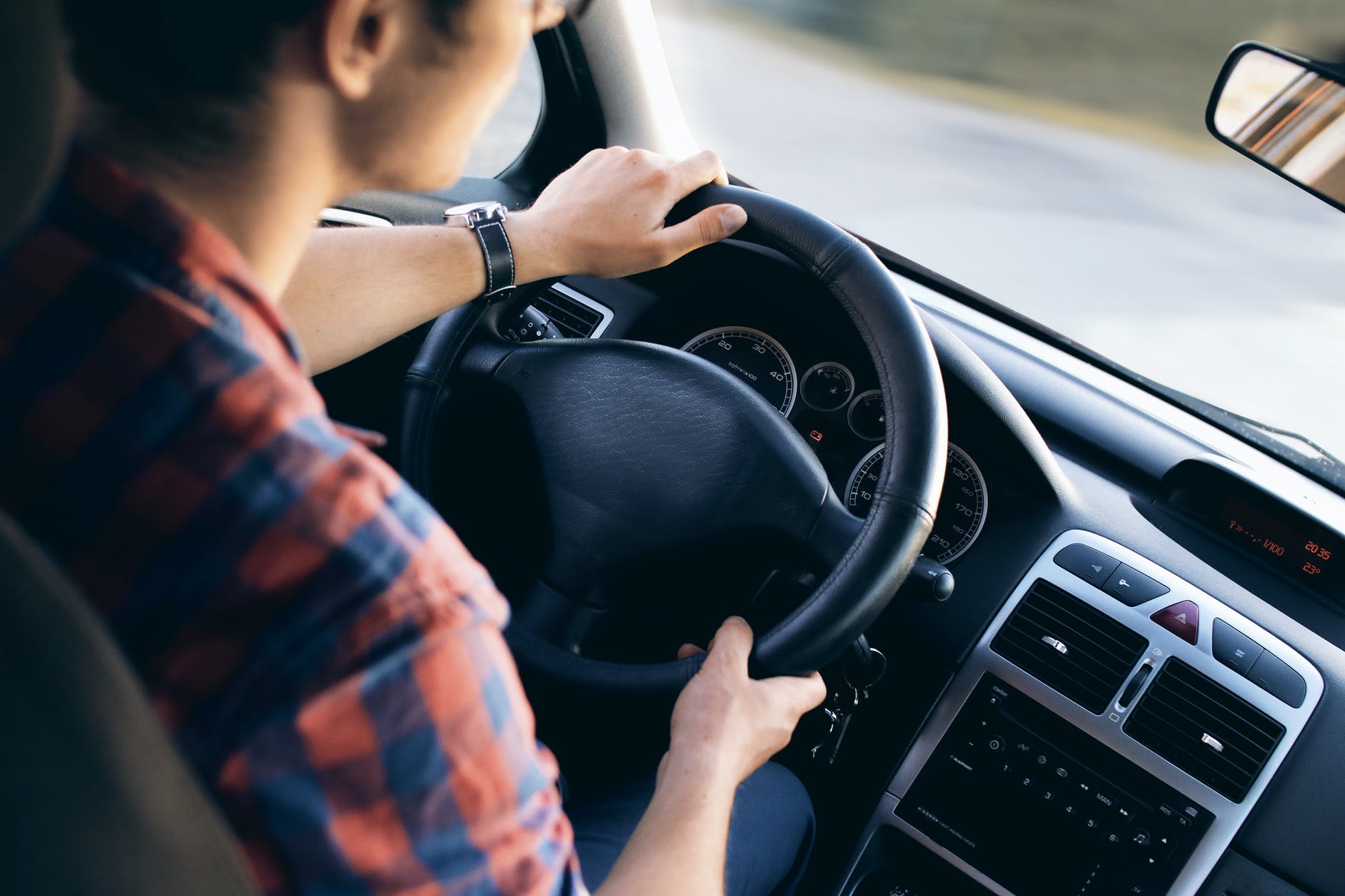
There are a lot of reckless drivers out there who don't even realize they're driving badly.
However, one needs to drive to be classified as a good or bad driver.
Therefore, it is relatively common for some blunders and mistakes to be made at the beginning.
However, over time, bad driving habits should be reduced and mistakes minimized.
Driving in heavy city traffic is now a necessary evil for those who need to take children to school, go to work, as well as carry out other daily tasks.
And in traffic, it's very important to drive safely and always be alert so you don't get honked at and then yelled at: "Reckless driver!"
Driving attentively and safely, whether in cities or on highways, goes beyond just safety.
It's a way to save the car from unnecessary strain that leads to premature wear and tear.
Now answer this for us: Are you a reckless driver?
In today's article, we'll show you tips on what not to do to avoid being classified as a barber.
Shall we begin?
Find out if the mileage has been tampered with.
Check out these 8 valuable tips to see if a car's mileage has been tampered with and avoid getting ripped off!
You will be redirected to another website
What is a reckless driver?
When we talk about safe and functional driving, many people ask themselves:
So, what exactly does it mean to be a barber?
A reckless driver isn't just someone who drives poorly in terms of mechanical handling.
In other words, someone who stalls the car, who rattles the wheels, who doesn't know how to shift gears at the right time.
In fact, these are common mistakes that are overcome with practice.
Thus, a reckless driver is one who does not respect traffic rules, is not courteous to pedestrians or other drivers, and above all, does not take care of their own car.
That being said, it's time to move on.
Next, we'll show you 10 tips to avoid driving like a reckless driver.
10 tips to avoid driving like a reckless driver.
Now that you know what it means to be a barber, we'll go even further.
Our experts have put together 10 driving tips to help you avoid becoming a reckless driver!
Shall we begin?
10. Drive smoothly
That's a phenomenal tip.
Ultimately, being gentle is paramount when driving.
As soon as the light turns green, start moving smoothly.
Accelerating abruptly only serves to waste fuel and wear out parts such as tires and the clutch.
Did you see the light turning red? Release the accelerator and let the car roll, braking gently.
To count the curves, make smooth and gradual movements.
Driving smoothly is economical and also provides safety for the occupants.
A reckless driver drives aggressively and in a way that is uncomfortable for themselves, the occupants of the vehicle, and everyone around them.
So be gentle, don't be a barber.
9. Do not accelerate hard with a cold engine.
Many people don't know this, but car engines have an ideal operating temperature.
Therefore, when it is cold, the lubricating oil cannot reach all of its parts.
So, until the engine warms up, it's best to go easy on the accelerator and not rev the engine too high.
Modern engines that use thinner oils heat up more quickly.
Older cars, without a thermometer, have what we call a warning light, which stays on while the engine is cold.
In cars with a thermometer, ideally you should wait until the temperature reaches about halfway through the school year before accelerating more aggressively without hesitation.
Only a reckless driver would floor it with a cold engine.
8. Do not hold the car downhill using only the brakes.
Most cars use disc brakes on the front wheels and steel drum brakes on the rear wheels.
Continuous and forced use can overheat the system, causing the car to lose its braking power.
Therefore, when going downhill, especially on steeper descents, the ideal approach is to use engine braking to relieve the strain on the braking system.
This ensures that the brakes will function in case of an emergency.
In manual vehicles, simply downshift to a lower gear, but be careful not to "exceed" the rev limit.
In automatic cars, there are positions on the gear selector track, such as: 3, 2, and L.
If the car has a sequential gearbox, simply downshift one or two positions.
And finally, in the CVT without simulation, just put the lever in the L position.
So now you know: holding the car only with the brake is something only a reckless driver would do. Don't do it.
7. Avoid holding the car with the clutch on inclines.
Although it is required in driver's license exams, holding the car with the clutch on inclines is not advisable.
Knowing how to control the clutch well is a useful skill when starting off.
However, when going uphill, ideally you should only use the handbrake to hold the car.
And here's an important point: Holding the car is not a sign of any shame.
After all, holding the car with the clutch greatly increases wear and tear on the system.
Furthermore, the need to keep the car accelerating while holding the clutch increases fuel consumption.
In other words, this is something only a reckless driver would do.
6. Do not turn around to reverse.
Here's a controversial tip.
After all, that's what's required in some driver's license exams.
So, if that's the requirement in your region, do it only during the exam, and then follow what our experts say:
The safest way to reverse is while facing forward, looking in all three rearview mirrors.
That's because, when turning around, your vision is limited to the rear only, and you lose lateral reference.
The act of turning around ends up confusing the driver, leading them to steer the wheel in the wrong direction.
Even in cars with a rearview camera, it's best to use the rearview mirrors as an aid.
Driving styles evolve, and only stubborn barbers remain stuck in the past.
5. Do not use the hazard lights unnecessarily.
The Brazilian Traffic Code is explicit:
Use your hazard lights only when you have to stop the car in an emergency or when the signs require it.
Using hazard lights to stop on a two-way street, in reserved parking spaces, or while in motion is something only a reckless and inconsiderate driver would do.
Improper use of hazard lights can startle drivers behind you and may even cause an accident.
So, only turn on your hazard lights when you really need to.
4. Don't drive too close to the car in front.
Maintaining a safe distance from the vehicle ahead is crucial, as it gives you time to react in case of an accident or sudden braking.
When you're on the road, it's recommended to find a reference point and allow 4 to 5 seconds between the car ahead and you passing it.
In cities, this tip also applies, even with the lower speed.
After all, the chances of unforeseen events are even greater.
Therefore, the advice here is clear:
Don't be a reckless driver who tailgates the car in front; the chances of an accident are high.
3. Avoid staying in the left lane.
On roads with double or multiple lanes, the leftmost lane should only be used for overtaking.
And it doesn't matter if you're driving at the speed limit or believe you're in a hurry.
The left lane should only be used for overtaking.
Another driver might be in a greater hurry than you.
Furthermore, you're not a highway patrol officer to monitor how others drive.
Driving in the left lane and refusing to yield to those behind you is extremely reckless.
2. Not using the turn signal
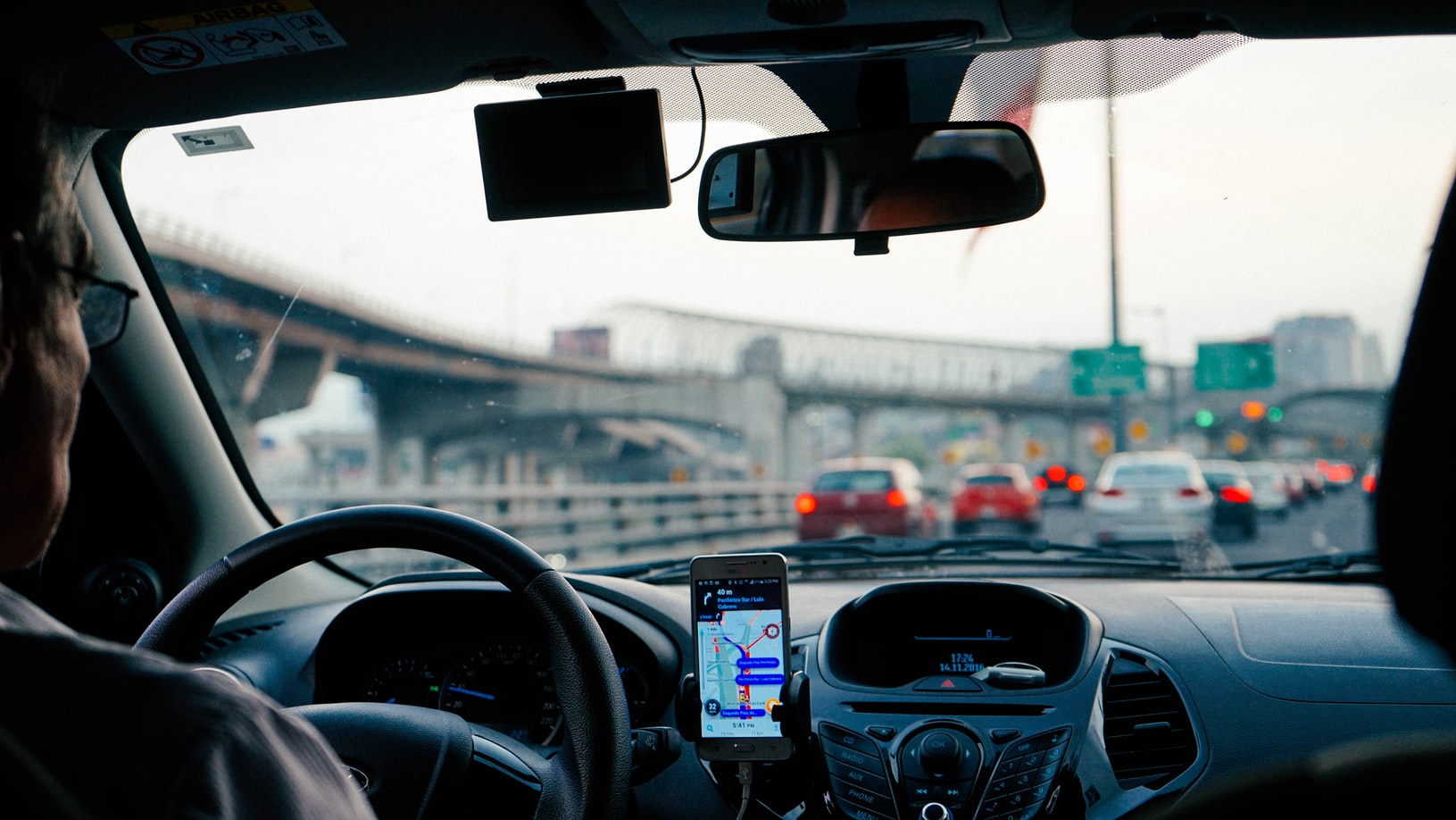
Here we have a true classic among reckless drivers.
Signaling where you're going is obvious, and the obvious also needs to be said.
Drivers and motorcyclists behind them, as well as pedestrians, are unaware of their intentions.
Furthermore, just as bad as not using your turn signal is using it only at the last minute and ending up catching a lot of people by surprise.
Therefore, use your turn signal and do so in advance.
1. Never drive with your cell phone in your hand.
And here we have the worst of what we can say about reckless drivers.
After all, when traveling at a speed of 40 km/h, the car covers 11 meters in one second.
In other words, that moment when you pick up your cell phone, or change the GPS route, can be fatal.
Therefore, when an important message arrives or you need to change your GPS route, stop the car.
This is safer for you and everyone around you.
Only reckless and irresponsible drivers use their cell phones while driving.
Ride-hailing drivers also make mistakes: learn about the main errors.
And since you've just checked out some valuable tips on how to avoid being a bad driver, how about we talk about ride-sharing drivers?
Ultimately, to make a living behind the wheel, it's important to know how to drive well.
So, we've prepared some special content for those who are starting out as app drivers or have been driving for a while.
To learn about and avoid the main mistakes and make a sure amount of money, you already know what to do, right?
Just click below!
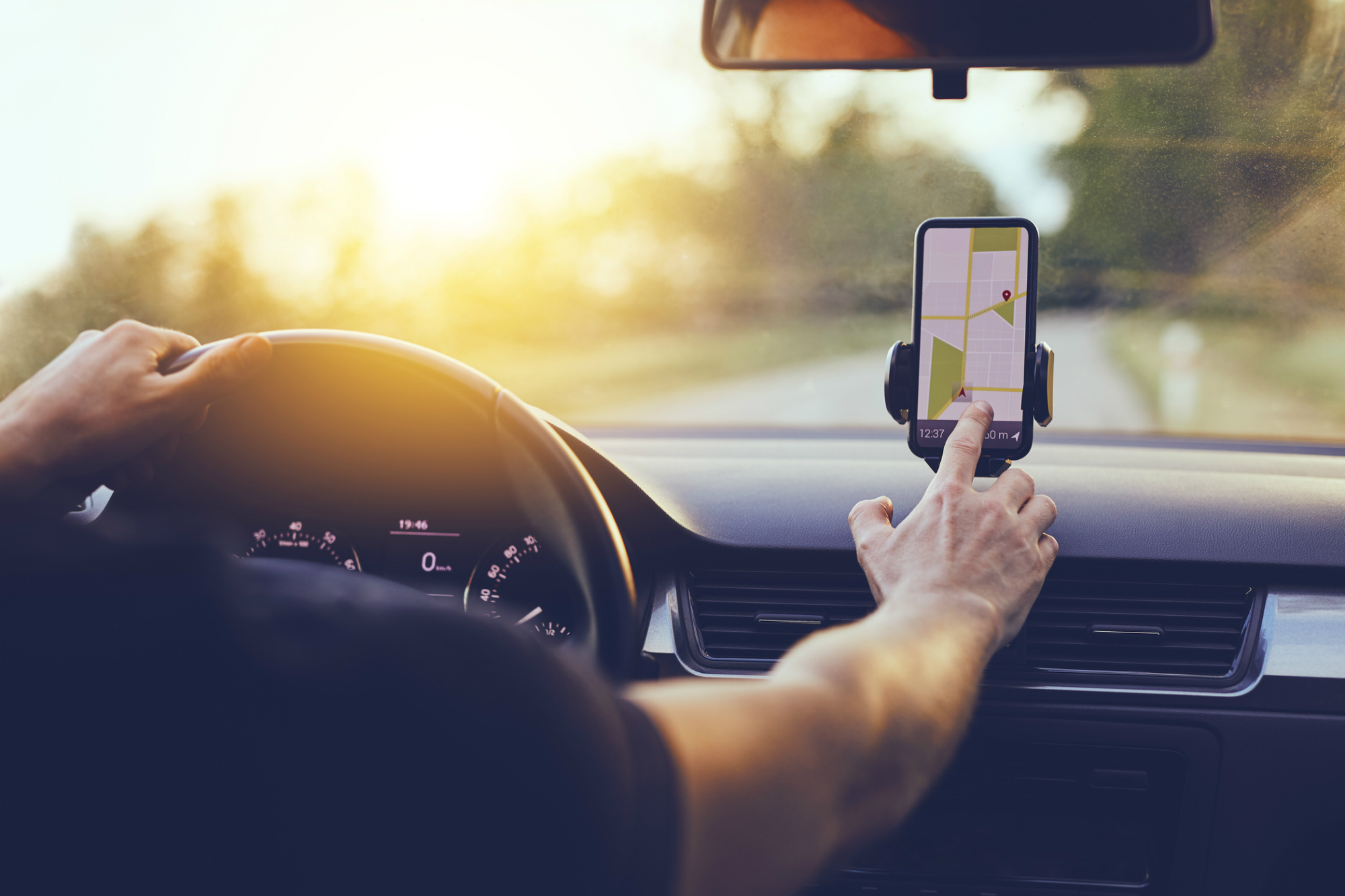
Main mistakes made by app drivers
Learn about the main mistakes made by ride-hailing app drivers, avoid them, and maximize your profits while driving!
Trending Topics

Our Auction: How to register to buy
At Nosso Leilão, you can bid on your car safely and at attractive prices. Learn more about Nosso Leilão and find out how to register and buy!
Keep Reading
Buying a pickup truck at auction: where and how to secure yours.
Discover how to buy your pickup truck at auction and get a great deal. Also, see the best companies to bid on your pickup truck!
Keep Reading
How can I participate in a judicial auction safely?
Learn how to participate in a judicial auction safely and take advantage of business opportunities. Get the car of your dreams!
Keep ReadingYou may also like
Auction of impounded cars from the Santa Catarina DETRAN (Department of Motor Vehicles): find out more!
At an auction of impounded cars in Santa Catarina, conducted by DETRAN-SC, you have the opportunity to buy a good, inexpensive car. Learn more!
Keep Reading
Car auctions: Learn the key to a successful purchase.
Mr. Cars | The best articles about cars on the internet! Car auction: Learn the paths to a successful purchase.
Keep Reading
Auctions in Brazil: learn about them and find out if they are reliable.
Leilões Brasil is a good option for you to bid on your desired car. Let's find out if Leilões Brasil is trustworthy!
Keep Reading


