Articles
End of the internal combustion engine: 10 automakers that will abandon gasoline.
Discover 10 automakers that will ditch the combustion engine in favor of electric vehicles!
Advertisement
The end of the internal combustion engine is approaching.
We already know that the end The end of the combustion engine is near, and the future of the automotive industry is electric. In 2021 alone, a number of automakers set ambitious electrification goals for their vehicles, with most announcing that a significant portion of their lineup will be hybrid or fully electric within the next 10 years.
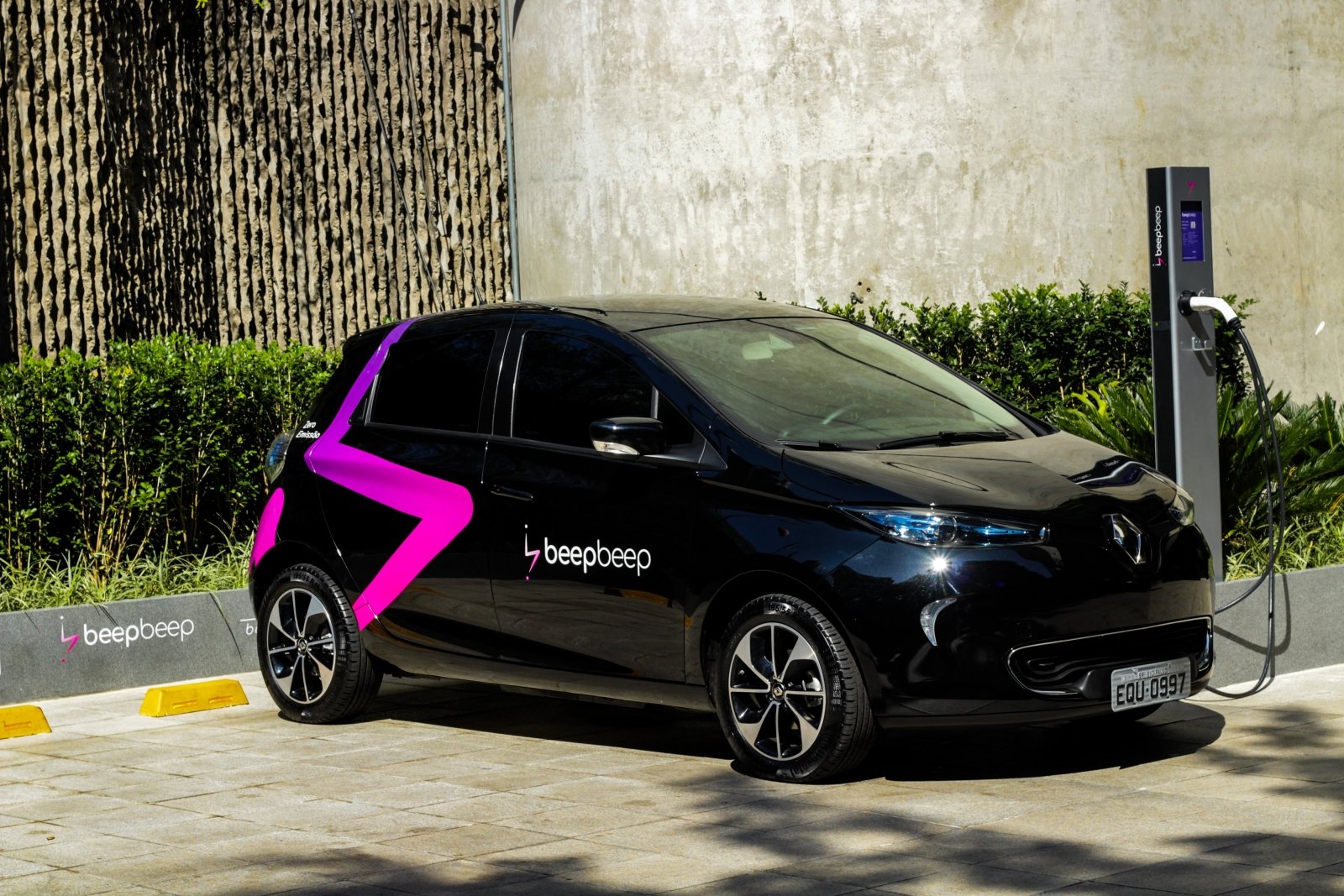
Rent an electric car with Beepbeep.
Discover Beebbeep, the electric vehicle rental company, and drive a zero-emission model.
Just to be on the safe side, it's best to start preparing your home's electrical outlets, because by 2025 there are promises of a major electrification effort from both luxury manufacturers and mainstream companies.
Add to all this the price of fuels, whether fossil fuels or not, such as diesel, gasoline or alcohol, and we have an increasingly favorable environment for the end of the combustion engine.
If you are thinking of buying a car in the next five years, we suggest you read our article and wait a while.
Let's find out which automakers are embracing electrification!
You will be redirected to another website
10 automakers that have declared the end of the internal combustion engine.
As many people already know, it's no secret that many people have been migrating towards electrification or... hybridization And in doing so, they end up decreeing, even if unintentionally, the end of the internal combustion engine.
But what most people don't know is which factories and brands are moving towards electric power.
Since our goal is always to keep you informed about the automotive market, we've compiled a list of the top 10 global automakers that have vowed to kill the combustion engine as we know (and love) it.
Shall we begin?
10. Renault
One of the automakers that has been most vocal in declaring the end of the combustion engine is Renault!
Forget about Logan, Duster and the like, powered by gasoline or alcohol, in two generations.
The French automaker has made it quite clear for some time now that it no longer wants anything to do with traditional engines.
The CEO of the French group was more than emphatic in saying that the company will no longer produce new pure combustion engines.
Existing systems will be modernized and updated to meet emissions standards until they are discontinued, which shouldn't take long.
The automaker's goal is to be the greenest European brand and have 90% electric cars on the global market by the end of the decade.
Furthermore, all models announced for release in Europe up to 2025 will have electric versions.
In this way, Renault's gasoline and diesel engines will be replaced by hybrids from the E-Tech Hybrid and E-Tech Plug-in families.
Outside of Brazil, these engines already equip versions of the Clio, Captur, Mégane, and the recently launched Arkana mid-size crossover.
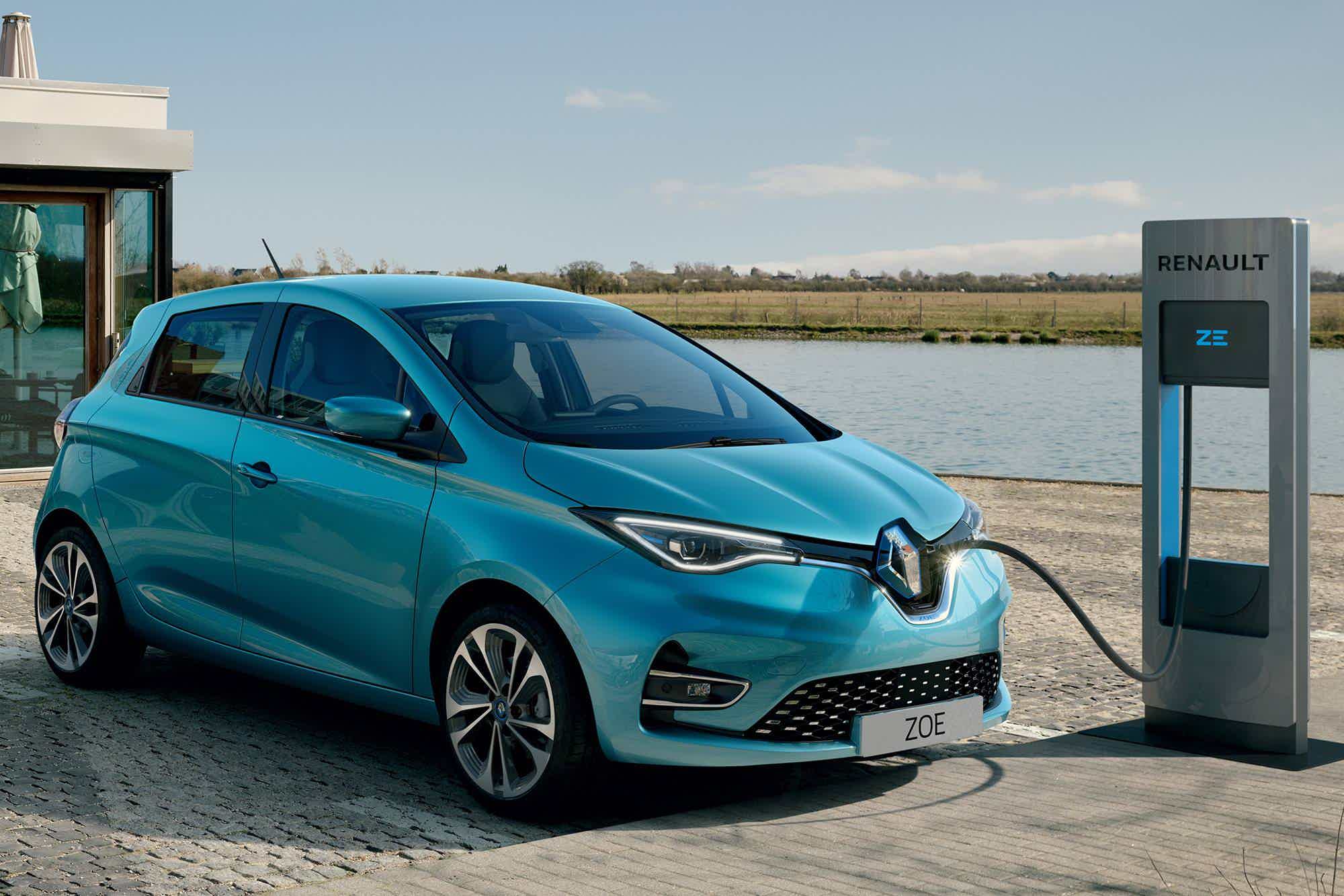
Here in Brazil, the automaker's best-known electric vehicle is the Zoe, which has even posted good sales figures recently.
9. General Motors
Who would have thought that the American giant GM, which literally drinks oil, would be part of this list, right?
Well then. She's yet another one proclaiming the end of the combustion engine.
According to the manufacturer, approximately US$27 billion will be invested by 2025 in the development of no fewer than 30 new electric models.
As part of the electrification strategy, there is the new Ultium battery platform, which will serve all future models. electric vehicles of the group's brands:
Chevrolet, Buick, GMC and Cadillac.
According to GM, the intention is for its vehicles to have a range of over 700 km.
It's important to remember that the automaker recently launched the new generation of the Bolt, including a crossover version, and resurrected the Hammer as an electric 100% pickup truck.
Furthermore, the company has established partnerships with other manufacturers, such as Honda, for the production of an electric crossover in Mexico.
8. Nissan
The Japanese brand has already announced that all of its releases until 2030 will have electric versions.
And from 2031 onwards, Nissan wants to offer only electric vehicles in Europe, the US, China, and Japan. In other words, yet another company is declaring the end of the combustion engine.
The Japanese automaker's strategy also includes innovations in batteries, the development of electric ecosystems, and innovations in terms of process and energy efficiency.
The automaker's goal is to achieve carbon neutrality in its products and operations by 2050.
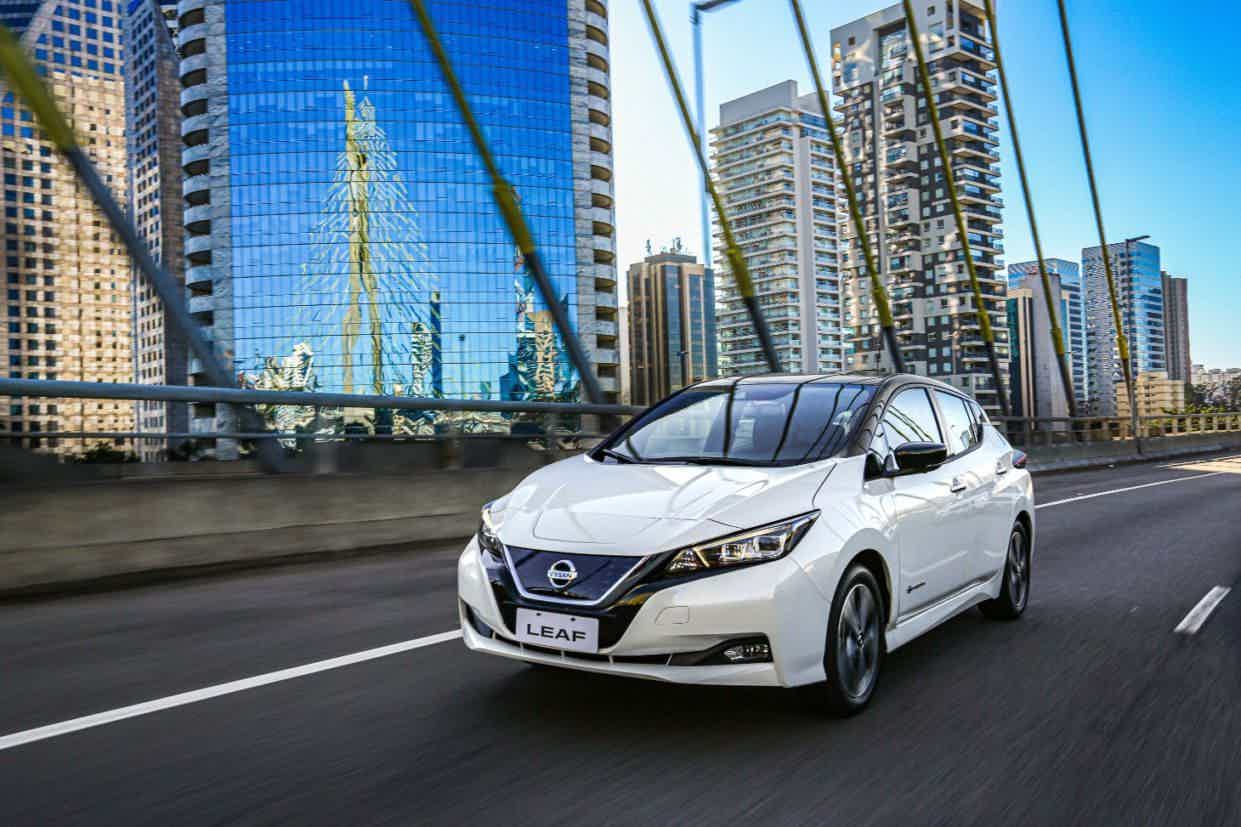
In the vehicle lineup, the current highlight is the Leaf, which is now the world's most popular electric car with over 500,000 units sold.
In addition, the brand sells hybrid models with e-Power technology – a system in which the combustion engine powers the electric motor that moves the car but does not propel the vehicle.
There is also the famous NV200 van in its hydrogen-powered variant, whose fuel cells are powered by an ethanol engine.
The model began development in Brazil in 2015 and is currently undergoing testing in Japan.
7. Volvo
The brand, originally Swedish but now controlled by the Chinese company Geely, doesn't mess around when it comes to electrification and zero emissions.
As yet another company to declare the end of the combustion engine, it has made it clear that by 2030 it will only sell electric cars.
That's right. Within nine years, the brand's cars will all be 100% electric.
Currently, Volvo is one of the companies with the strongest offensive in this regard, and Brazil has not been left out.
Today we are Volvo's second largest market in the world and we offer hybrids, plug-in hybrids and purely electric vehicles.
Including the two new ones. electric models The company's projects are already a reality.
The XC40 in the Recharge Pure Electric version can already be purchased at Brazilian dealerships of the brand, and next year we will have the C40 available exclusively in the electric version.
6. Volkswagen
The German company has named its electrification project, which aims to eliminate the combustion engine, "accelerate".
And the project is really moving forward at an accelerated pace.
By 2030, the company aims to have a market share of over 70% in the European electric car market.
For comparison purposes only, in 2016, this same target was only 35%.
This shift in objectives is related to the launch schedule that the automaker has promised.
Now in 2021, three electric models will be launched:
The ID.4 GTX all-wheel-drive crossover; the ID.5 SUV that looks more like a coupe; and the large ID.6 sport utility vehicle.
Next year, the highly anticipated ID.Buzz, considered the new generation of the Kombi, will be launched.
For markets where fossil fuels are expected to remain prevalent for a longer period, such as Brazil, the US, and the African continent, for example, VW made a promise:
It will retain combustion engine versions, but with hybrid configurations. This gives it a longer lifespan, but only for a short time.
5. Honda
Honda's electrification plan will be gradual and well-planned.
Although the automaker was yet another to declare the end of the combustion engine, this will happen gradually.
The Japanese brand wants two-thirds of its portfolio to consist of hybrid models by the end of 2030.
But it is estimated that all of its car sales by 2040 will be electric vehicles.
The automaker recently announced an investment equivalent to R$ 225 billion over the next few years in electrification research and development.
This was one of the reasons why the manufacturer will leave F1 as an engine supplier at the end of this year.
According to Japanese estimates, by 2035 electric vehicles will represent 80% of the car market in Europe, North America, Japan, and China.
In Brazil, this strategy is recent.
The brand has just introduced the revamped Accord to the market in a unique hybrid version, the e-HEV.
Furthermore, the automaker promised two more hybrid models here by 2023.
These are the CR-V crossover and the next-generation Civic. As mentioned, they will only be sold in configurations that combine a combustion engine and an electric motor.
4. Audi
Following Renault's lead, Audi has also sent its message: "We will no longer develop new combustion engines."
With this, we have yet another automaker that has declared the end of the combustion engine in a straightforward and direct manner.
The four-ring brand aims to sell only purely electric vehicles starting in 2035.
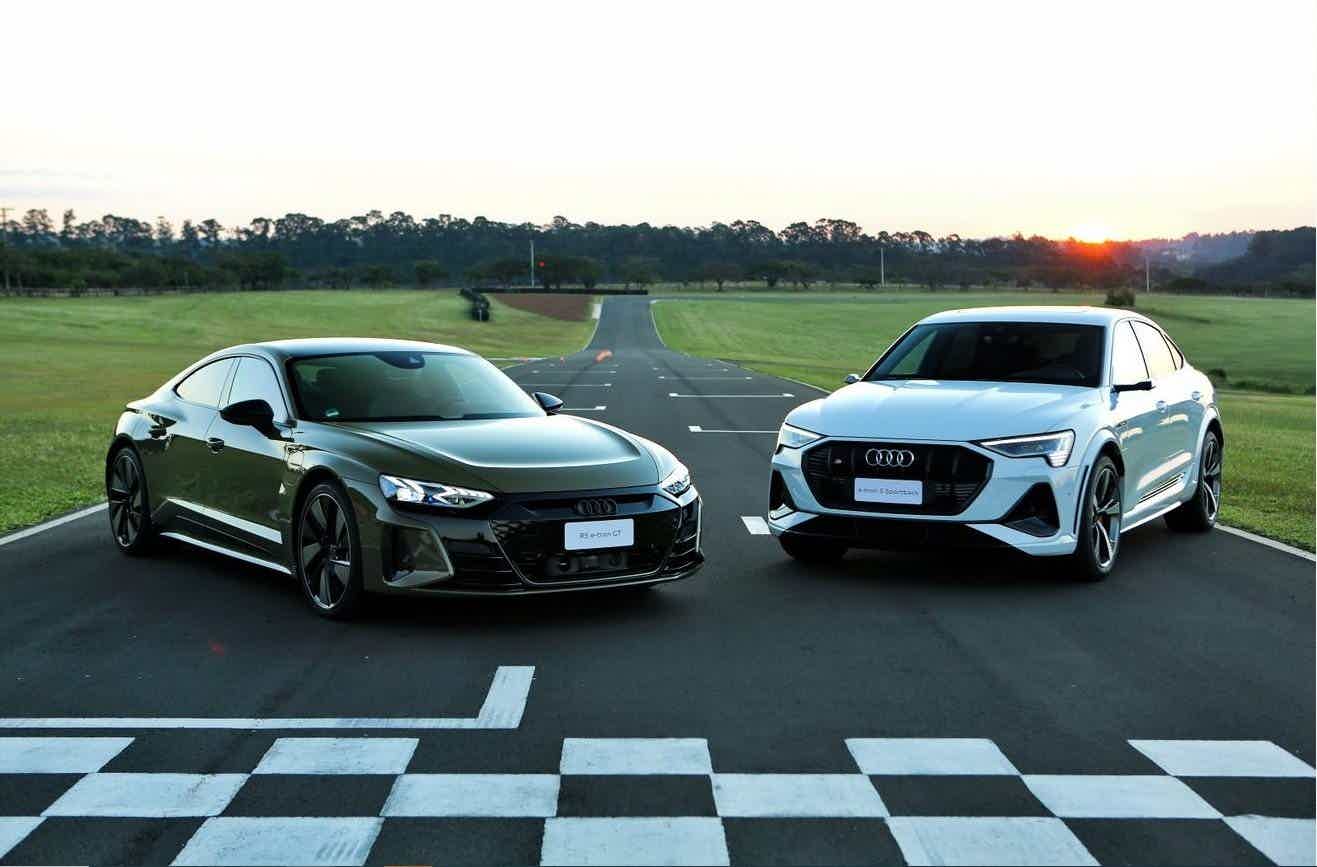
In addition to the various hybrid vehicles already available, the luxury brand now has a line of electric vehicles called e-tron, which consists of an SUV, a Sportback, and a sports coupe.
All of these models are already on sale or available for pre-order in Brazil. In 2022, the automaker will also launch the Q4 e-tron.
3. Jaguar and Land Rover
Another luxury brand is already moving at a more advanced and daring pace in electrification.
Jaguar has officially announced that it will only offer electric vehicles starting in 2025.
An ambitious goal, considering that the brand's only purely electric model is the I-Pace.
To achieve this goal of ending the combustion engine, the Indian group Tata Motors, owner of Jaguar and Land Rover, will invest R$ 18 billion per year to electrify its production lines.
For the SUV and 4x4 brand, electrification will be complete starting in 2030.
In other words, the famous diesel Land Rovers will no longer exist, and many people will have to learn to live with that.
The brand will offer six electric versions of its existing models to the public over the next five years, with the first fully EV Land Rover launching in 2024.
2. Ford
Another giant that declared the end of the combustion engine, opting instead for electrification, was Ford.
The American automaker wants its entire line of passenger vehicles to be zero-combustion by 2030, but a caveat is in order: in Europe, the goal is to have only electric vehicles by 2026.
Light commercial vehicles such as pickup trucks, vans, and panel vans will also not escape electrification.
The brand plans for up to two-thirds of its commercial vehicles to be electric or hybrid by the end of the decade.
This electrification is part of a US$22 billion investment package for the next four years.
The brand's factory in Cologne, Germany, will begin producing 100% electric vehicles in 2023.
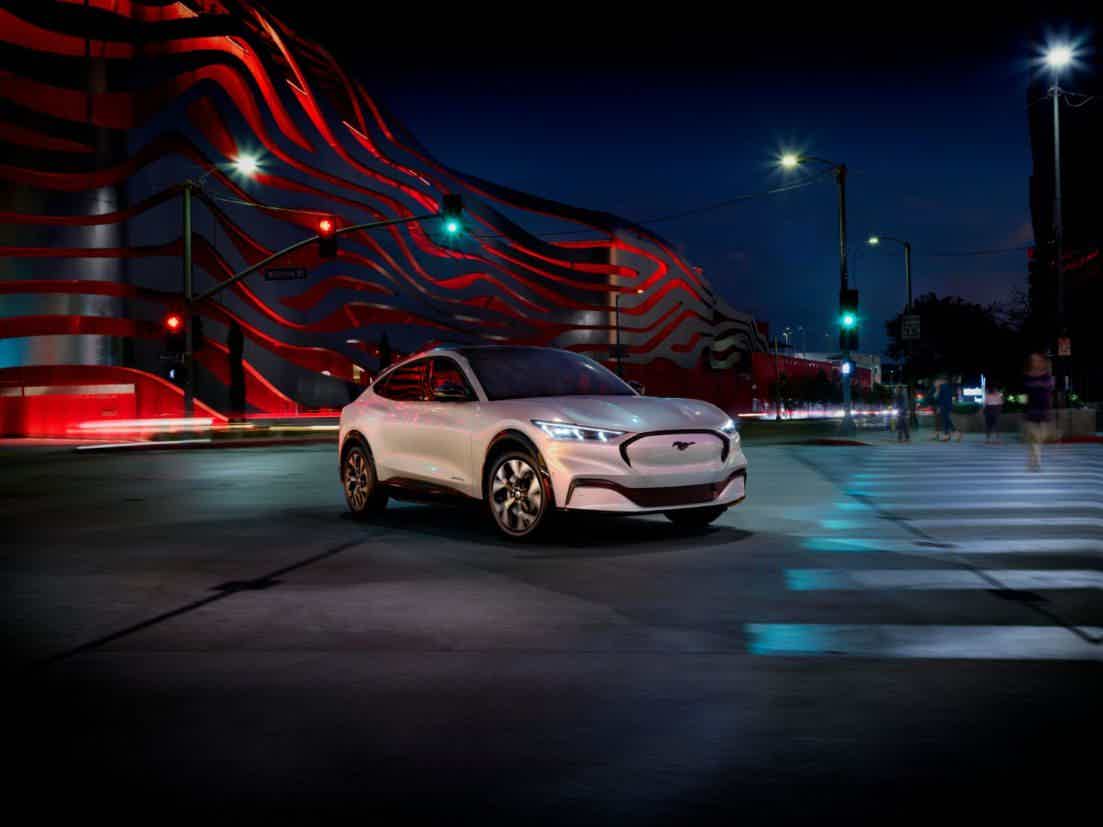
It's important to remember that the brand launched the Mustang Match-E in 2019, its first model Fully electric, which should arrive here later this year.
1. BMW and Mini
The famous German brand is yet another to declare the end of the combustion engine.
The promise is for 25 fully electric models by 2023, the result of an investment of over 30 billion euros in research and development in electric mobility by 2025.
In four years, the development of a new generation of electric motors is planned.
Among the new 100% electric products are the new i4 and the controversial iX.
In the coming years, BMW will also introduce electric versions of famous models such as the 5 Series and the X1, aiming to have an electric option for the 90% in its portfolio.
Furthermore, another member of the Bavarian group will be launching the 100% electric motorcycle even before the main brand.
Mini will only have electric vehicles starting in 2030, according to a promise made by BMW's president, Oliver Zipse.
The British brand, acquired by BMW, has even set a date for the farewell of its last purely combustion-powered car: 2025.
Conclusion
We already know that the end of the internal combustion engine is merely a matter of time.
In developed countries, electric vehicles will be a reality within a short period of time.
Here in Brazil, due to the sufficient supply of oil and ethanol, it is expected that hybrid vehicles will become a reality within the medium term, leaving electric vehicles for a slightly more distant future.
Now that you know the end of the internal combustion engine is near, we want to ask you:
Have you ever driven an electric car?
Did you know that it's possible to drive a 100% electric vehicle without spending a fortune?
Interested? Want to know more?
So click below and find out how this is possible!
Rent an electric car with Beepbeep.
Discover Beebbeep, the electric vehicle rental company, and drive a zero-emission model.
Trending Topics
Want to drive an electric car but don't have the money? Beepbeep is the solution.
Mr. Cars | The best articles about cars on the internet! Want to drive an electric car, but don't have the money? Beepbeep is the solution.
Keep Reading

TOP Car Auctions: learn about them and find out if they are trustworthy.
Have you ever thought about buying a car at an auction? You might get a great deal. Check out TOP Car Auctions and see if it's trustworthy!
Keep ReadingYou may also like
Hooters Motors motorcycle rentals: learn about them and find out if they're worth it!
Going to Rio de Janeiro and want to rent a motorcycle? Then check out Hooters Motors Motorcycle Rentals and find out if it's worth it!
Keep Reading
How does the Maxim app work? Quality deliveries and trips!
Sending and receiving products has become much more affordable with Maxim; it works like other similar apps, but with more accessible prices!
Keep Reading
90s Coupes: Discover 15 models that still shine today.
Mr. Cars | The best articles about cars on the internet! 90s Coupes: Discover 15 models that still shine today
Keep Reading


