Articles
Don't do this! Things you should avoid doing in your car.
Learn what things you shouldn't do to your car to keep it running smoothly!
Advertisement
Buying a car is a dream for many people.
It's the result of a lot of hard work and effort, and it's normal for the new owner to want to make some "improvements" to the vehicle, whether it's... used or new.
However, not everything that seems good should be done:
There are a number of things you should avoid doing in your car.
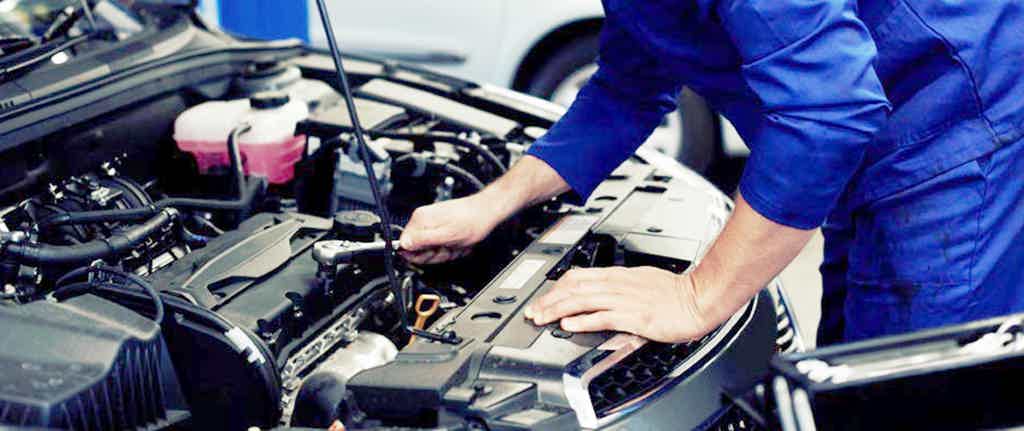
With the intention of guiding you, we at Senhor Carros created today's article!
If you want to take proper and adequate care of your vehicle, then this article was written especially for you!
Things you should avoid doing in your car.
Let's find out what you should avoid doing to your car to take the best possible care of it.
You will be redirected to another website
Ignoring the engine break-in period
There are still many people who, when buying a brand new car, believe that breaking in the engine is unnecessary, but many manufacturers include guidelines in the owner's manual for better engine performance, and one of them is not to abuse high speeds during the first few kilometers of use.
In this way, the engine is not overworked until its components adjust, thus allowing for an ideal level of operation, which promotes increased performance and reduces fuel consumption.
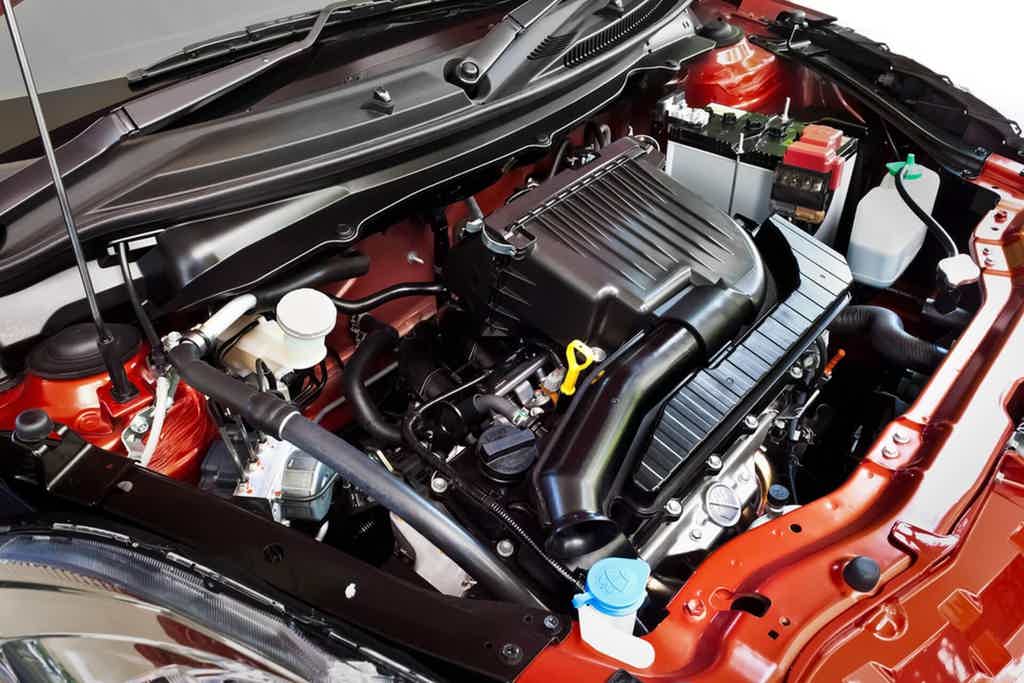
In general, specific precautions regarding maximum speed, RPM level, and gear changes tend to continue until the vehicle reaches its first 3,000 km.
Cleaning plastic parts without the proper product.
Here's a very common mistake that's one of the things you should avoid doing in your car.
As you know, many models have a lot of plastic parts. Dashboard, turn signal and headlight levers, gearshift, door handles, handbrake cover, and so on. It's only natural to clean them to keep the car clean and looking good, isn't it?
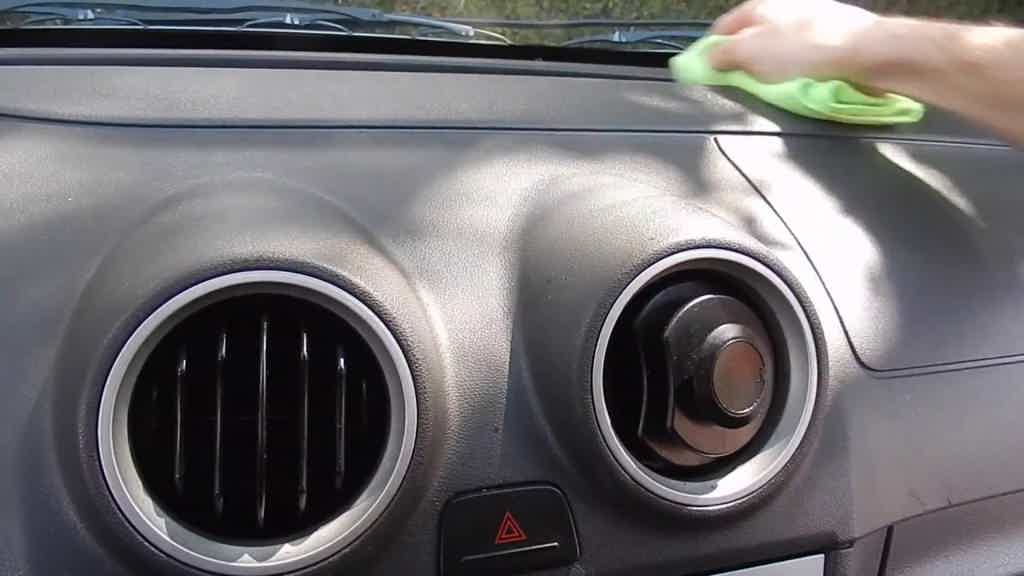
However, for this type of cleaning, you should choose appropriate products, such as isopropyl alcohol, neutral soap, or neutral detergent. Using unsuitable products can stain, dry out, and promote cracking and breakage in these items.
Installing a tow hitch on an unauthorized model
Although many people are unaware, there are vehicle models that cannot be fitted with a tow hitch. While this practice is less common nowadays, there was a time when almost everyone had a tow hitch installed on their car.
Some modern releases, such as the Onix Plus, the Onix and the Tracker These are examples of cars that cannot have a tow hitch installed.
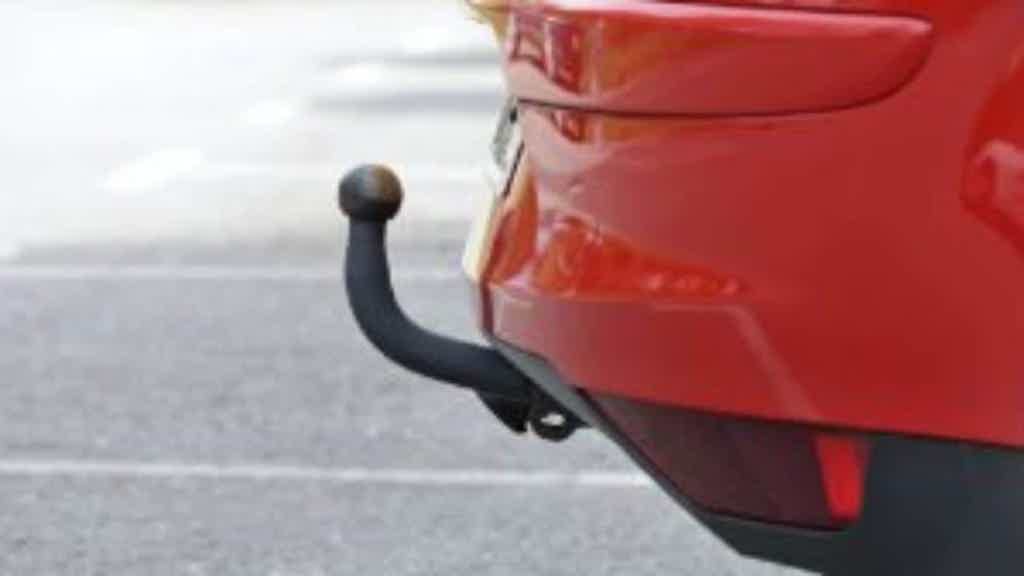
At this point you might be wondering: How do I know if my car can or cannot have a tow hitch installed? The answer is simple: just read the owner's manual. It will clearly state whether or not the vehicle can have this type of device installed.
So, if your new car isn't equipped to receive a rear tow hitch, don't do this type of installation.
Climb onto the windshield
Whether it's for fun or even just to keep the car clean, like wiping the headliner, regardless of your intention, this is another thing you should avoid doing.
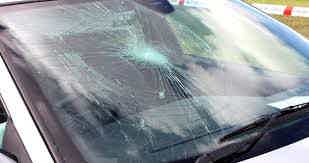
Every vehicle is meticulously designed, and although it may seem like a strong and resistant area, the windshield is more fragile and sensitive than it appears, so under no circumstances should you climb onto the windshield.
Activate all power windows at the same time.
Operating all power windows at the same time is a very common mistake made by most vehicle owners, but it should be avoided. This practice can damage the electrical system and shorten the lifespan of the fuses.
Furthermore, another guideline of this nature is to never operate one of the power windows using the driver's side switch while a passenger is opening or closing the same window in the opposite direction.
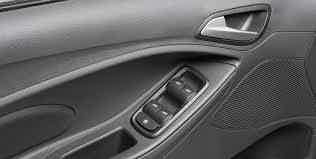
This practice, which can often occur during playtime, can overload the machinery responsible for raising and lowering the window, causing it to jam and remain locked, preventing it from being opened or closed.
Apply grease to the wheel bolts.
Many people think that applying grease or any other type of lubricant to remove fastening screws or nuts might be a good idea, but it's not.
Owner's manuals and mechanics warn that grease and lubricants must be completely removed from bolts or nuts before tightening, as they can cause damage, in addition to the risk of the wheel coming loose while the car is in motion.
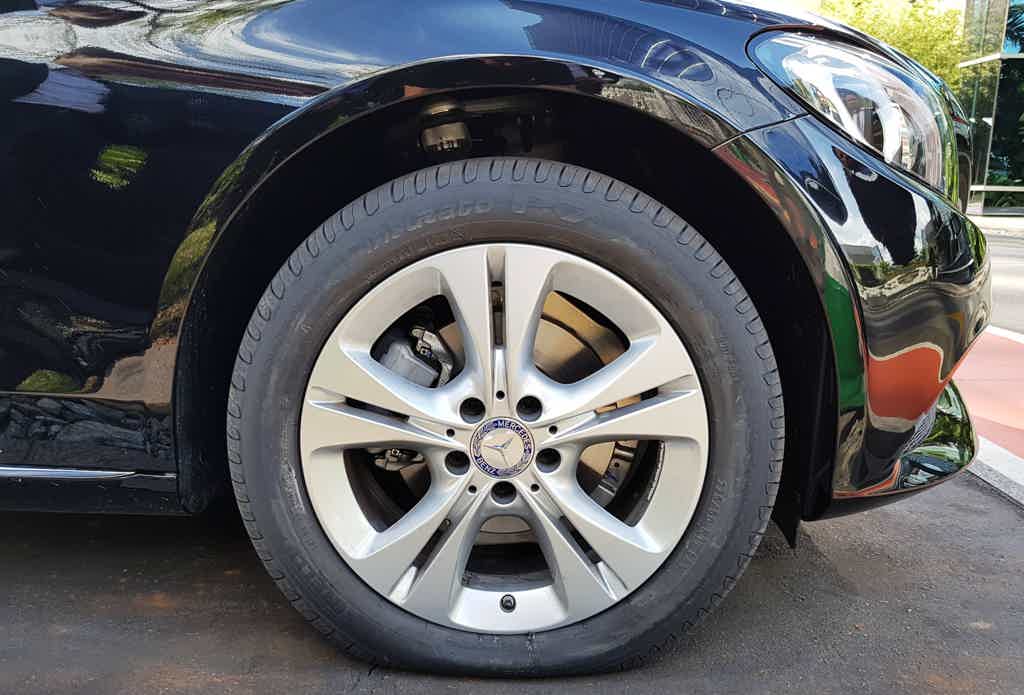
Furthermore, applying grease and lubricants can cause the wheel nuts to be overtightened, which can result in damage to the bolts or the wheel disc itself.
In both cases, this "lubrication" can result in accidents with serious and fatal injuries. It's just another thing you should avoid doing to your car.
Allow for a dry run.
Through simple research, it's possible to find reports from experts who advise against driving with the fuel tank on reserve to avoid the dreaded problem of running out of gas.
According to experts, this practice can cause accumulated residue at the bottom of the tank to shift, reaching the fuel injectors and causing a series of engine malfunctions after the tank is refilled. Furthermore, there is also a safety issue, since leaving the car parked anywhere can increase the risk of theft.
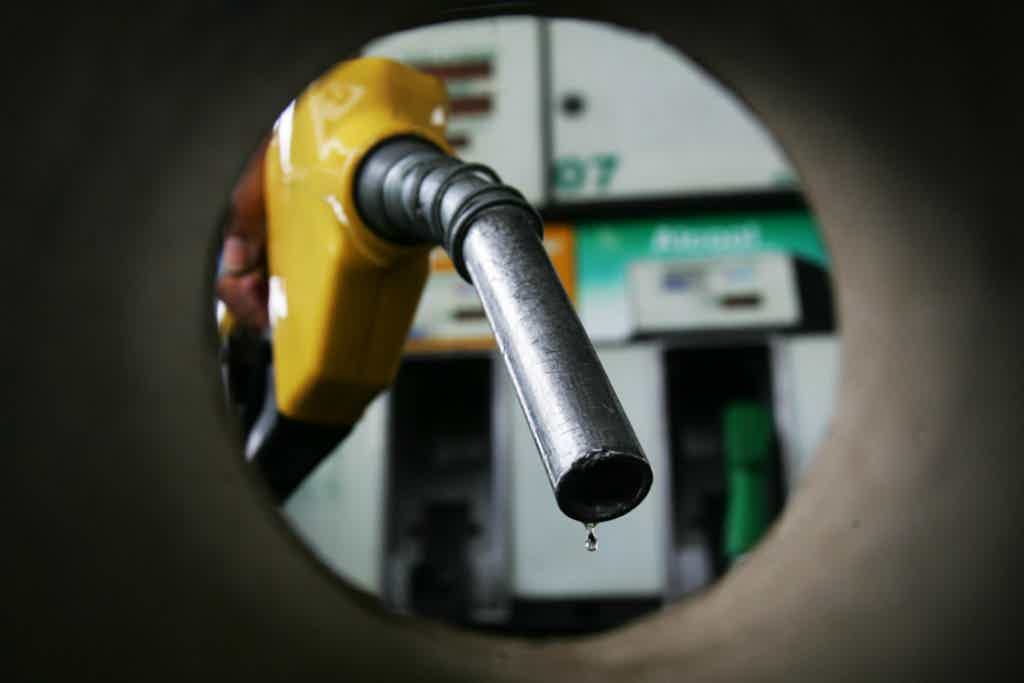
Another important point in this matter is that running out of fuel is a traffic violation punishable by a fine. In other words, allowing someone to run out of fuel will undoubtedly cost you dearly.
Accelerate a stationary car
One of the main ways to cool a car's engine is to drive it; however, to prevent the car from overheating, especially when stopped in traffic, the cooling fans come into action.
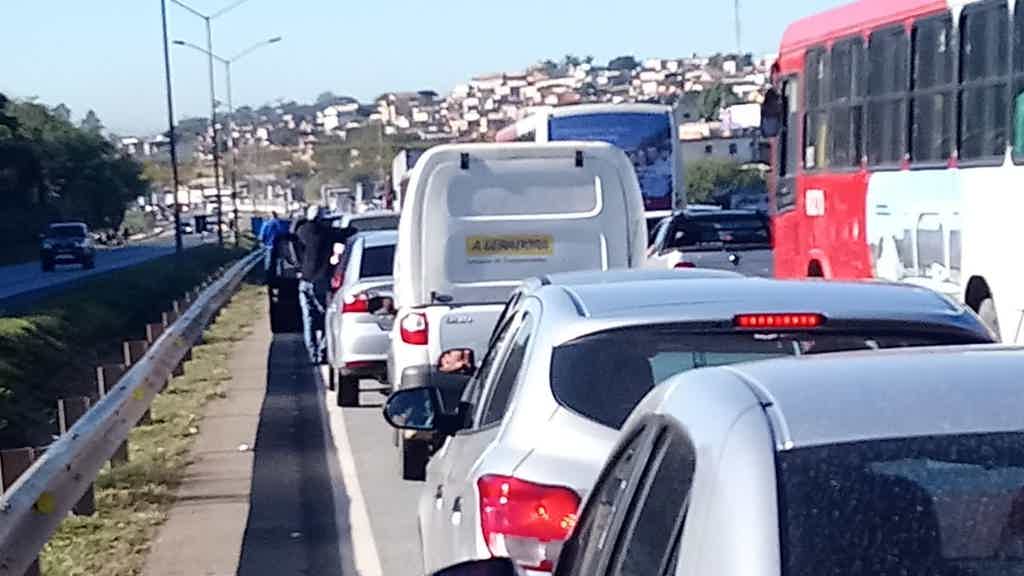
But if you unnecessarily rev the engine while it's stationary, even the cooling fans won't be able to cope, causing overheating that can even seize the engine. This is definitely something you should avoid doing with your car.
Driving with an overheated engine temperature
This is a very common mistake made by many drivers: driving with an overheated engine. The ideal temperature range for proper engine operation is between 90º and 110º Celsius. The best indicator of this is the thermometer on the dashboard.
Once the temperature exceeds this limit, it is recommended to stop the vehicle and wait for the engine to cool down. Opening the hood to aid cooling can help lower the temperature more quickly.
When opening the hood, it's important to check the water level in the reservoir. If the level is below normal, then it needs to be topped up.
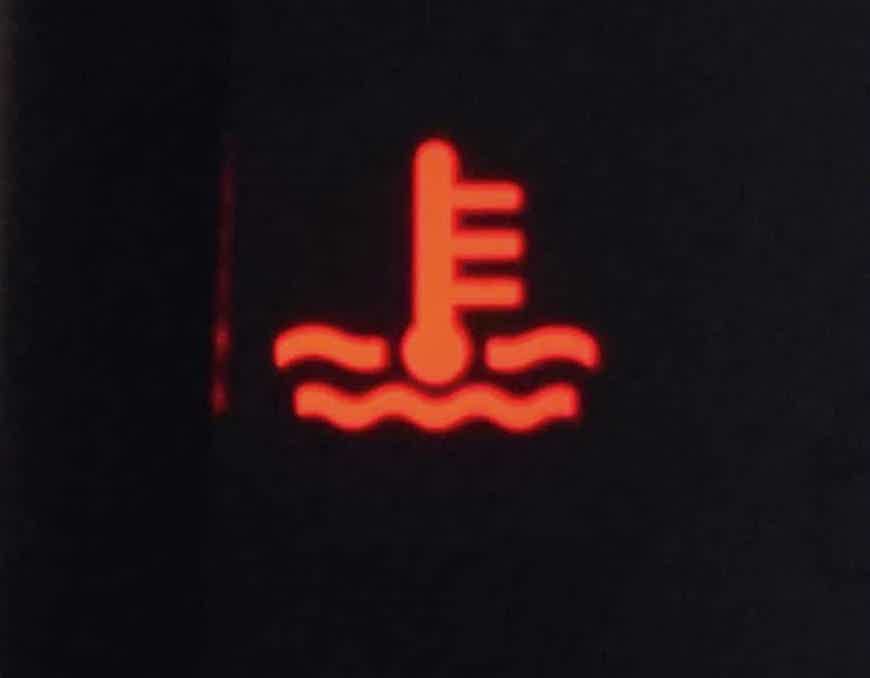
As we mentioned earlier, engine overheating can cause serious damage that is not at all cheap to fix. Therefore, always keep an eye on the temperature gauge.
Put cold water in the reservoir.
This is another thing you should avoid doing to your car. It's natural to think that after overheating you need to top up the water reservoir immediately, which is not true.
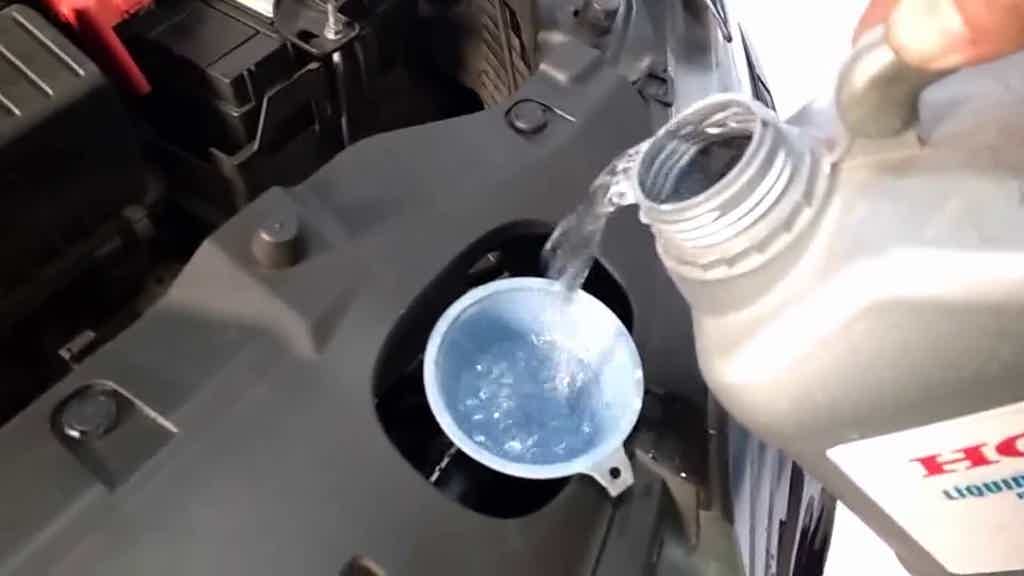
You need to wait for the engine to cool down first and then add room temperature water. Cold water can crack the cylinder head and even warp the vehicle.
Remove the thermostat valve.
Vehicle overheating often causes the thermostat valve to malfunction. Because of this, many drivers end up removing it without replacing it. An unfortunate, common, and serious mistake.
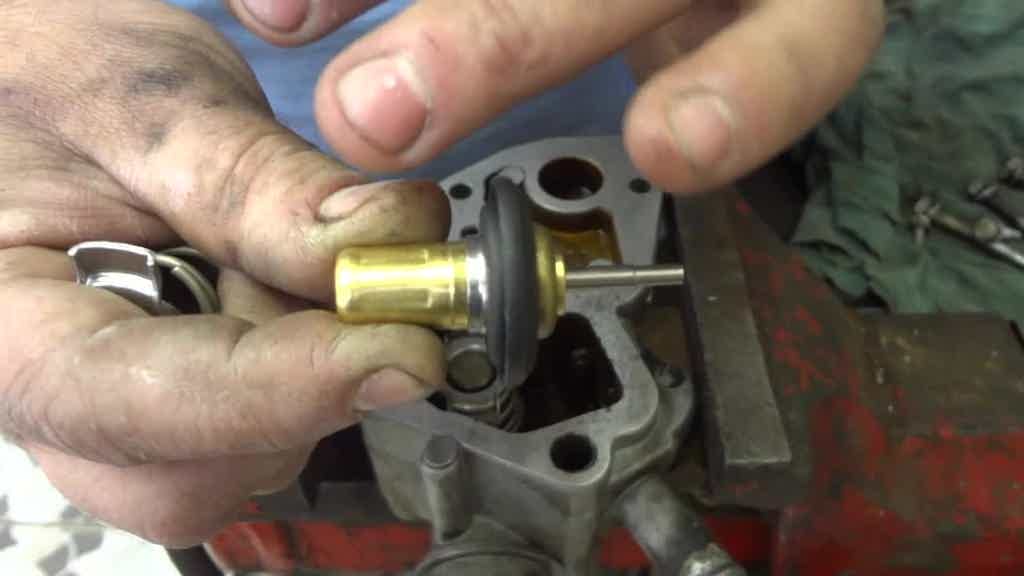
This small part is very important in controlling the car's temperature. Without it, mechanics estimate that the vehicle's lifespan could be cut in half.
Putting too much oil in the engine
There is a rod on the motor that indicates when it will be fully charged. This indication does not necessarily mean that it is full, but that it is at the indicated level for use.
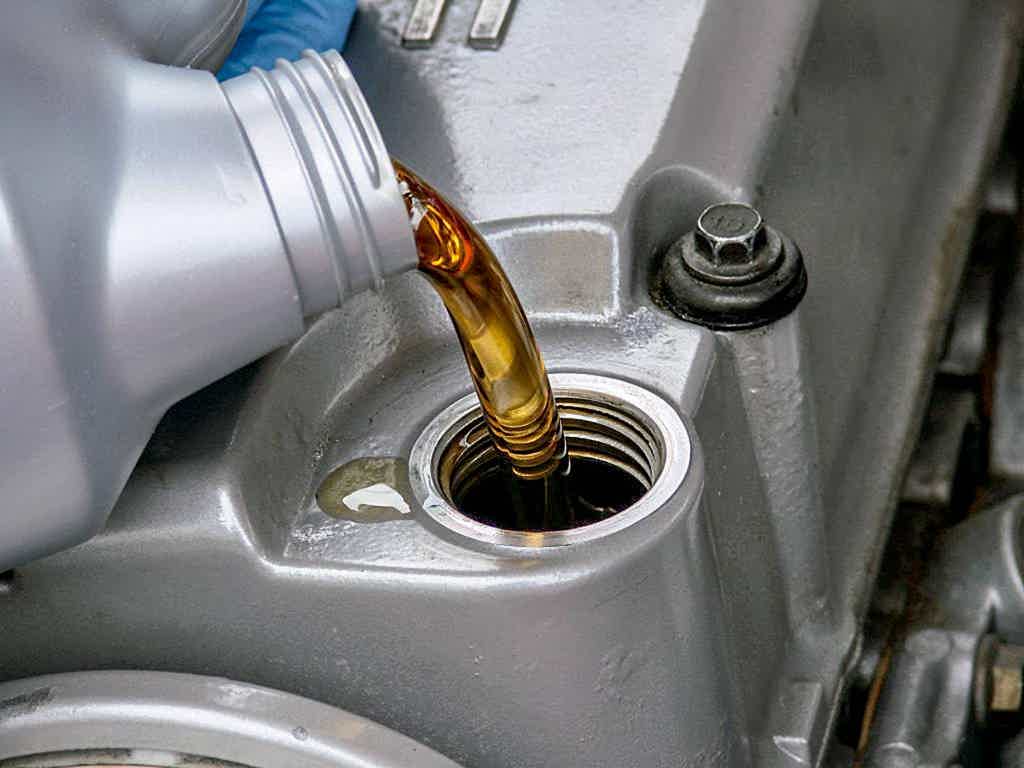
If this level is exceeded, the engine may be subject to a series of failures that could lead to future problems. problems Mechanics. Therefore, if you are going to put oil in the engine, be careful not to exceed the limit.
Ignoring or not knowing the symbols on the car's dashboard.
Ignoring or being unfamiliar with the symbols on the car's dashboard is another thing that should be avoided.
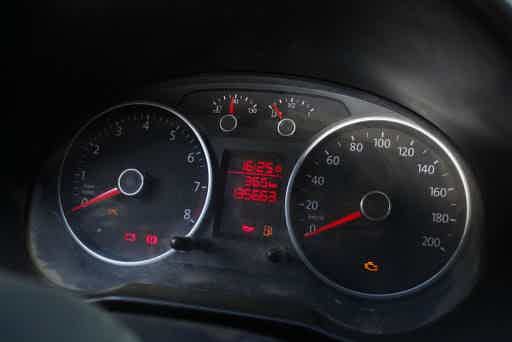
They are important for assessing the overall operating condition of the vehicle and may vary depending on the model and brand. They are the main indicators that something is wrong and needs attention.
Bonus tip: Always read the owner's manual.
While it's possible to access information on internet forums and by talking to trusted mechanics, there's nothing better for getting to know your car than the owner's manual.
Therefore, the first thing you should do when buying a vehicle, whether it's brand new, nearly new, or used, is to read the owner's manual, okay?
Now that you know what things you should avoid doing to your car, how about learning how to take special care of your vehicle during this quarantine?
To find out what precautions to take with your car during the coronavirus pandemic, just click the button below!
Trending Topics

PSA Bank vehicle financing: how to finance your vehicle
See how to finance a brand new vehicle through Banco PSA! Choose from three available credit lines and get a Peugeot or Citroën.
Keep Reading
Hyundai Creta 2021: The new features and advantages of this compact SUV
Mr. Cars | The best articles about cars on the internet! Hyundai Creta 2021: The new features and advantages of the compact SUV
Keep ReadingYou may also like

Gasoleta app: save on fuel!
The Gasoleta app will help you calculate the price of ethanol and gasoline and find out which one is more cost-effective so you can save more money!
Keep Reading
Auction of impounded vehicles from DETRAN RJ: find out more!
Vehicles in good condition and at attractive prices are waiting for you at the DETRAN RJ impounded vehicle auction. Learn more here!
Keep Reading
The 15 best racing games for car lovers.
Mr. Cars | The best articles about cars on the internet! The 15 best racing games for car lovers
Keep Reading


