Car
20 simple and foolproof tips to save fuel.
Are you spending more than usual when filling up your car? Then check out these 20 simple and foolproof tips to save fuel!
Advertisement
Discover how to save fuel easily.

Saving fuel is one of the biggest desires of anyone who owns a car, whether for work, as is the case with taxi drivers or those who work with ride-hailing apps, or simply those who use the car for leisure.
Although many people don't know it, saving fuel is much simpler than many imagine. So, with that in mind, we at Senhor Carros have put together some clever tips to help your car consume less fuel.
Do you want to learn how to save fuel and save some money? Then be sure to read our article today!
You will be redirected to another website
20 foolproof tips for saving fuel
Check out these simple tips that can be put into practice to help you save fuel in your car.
20. Avoid extra weight.
But many people carry extra weight in their cars and don't even know it. In fact, any kind of excess weight puts more strain on the engine and consequently increases fuel consumption.
Therefore, avoid carrying suitcases or boxes unless absolutely necessary; every kilogram saved counts when it comes to saving fuel.
19. Keep your tires properly inflated.
Because tires are the only point of contact between the car and the ground, and when they are flat, their contact area with the asphalt increases.
Because with more contact, there is naturally more friction, and this means that more energy is needed for the car to start moving and to keep moving.
With higher energy demands, there is greater fuel consumption. Therefore, always keep your tires properly inflated. Ideally, they should be inflated once a week.
18. Invest in green tires.
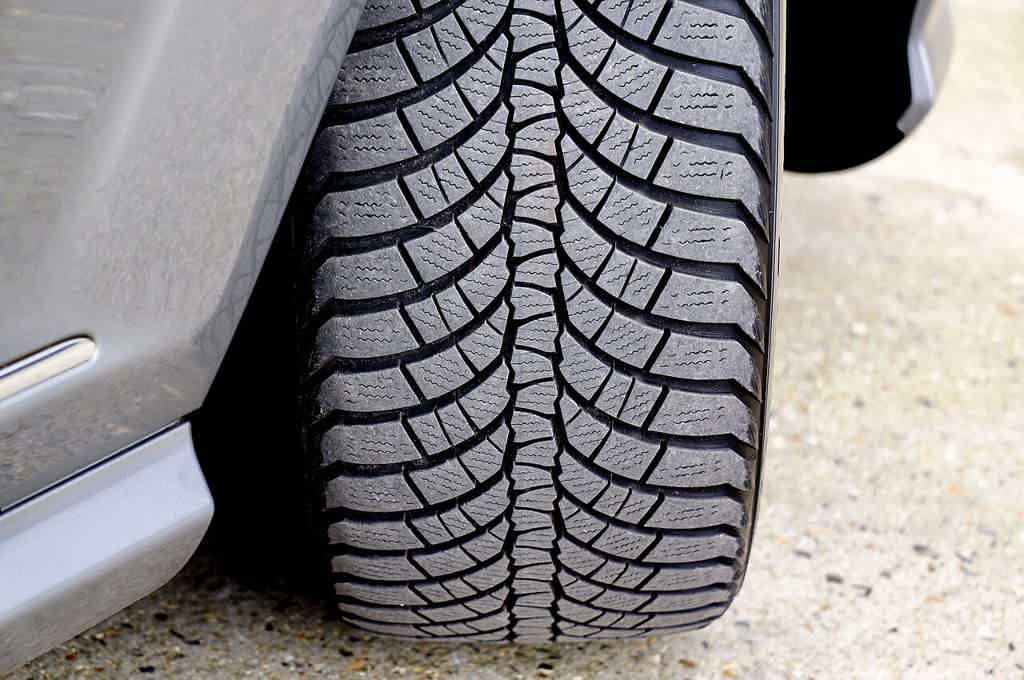
Green tires are so called because they offer low rolling resistance for the vehicle.
Because they are made of silica, and are lighter than synthetic rubber, they require less from the engine, simply because they generate less friction with the asphalt.
Although they are more expensive than conventional products, they can represent savings of between 30% and 40% on average consumption. In other words, it is literally an investment.
However, there's no point in fitting your car with green tires if you don't check their pressure every week.
17. Alignment and balancing up to date
But another very important point for saving fuel is keeping the car aligned and balanced.
Misaligned wheels make it difficult for the car to move. In addition to increasing fuel consumption, this reduces tire lifespan and increases the risk of accidents.
Therefore, at the slightest sign of alignment and balancing problems, such as vibrations or a feeling that the car is pulling to one side, consult your trusted mechanic. In addition to driving more safely, you'll also save fuel.
16. Close the windows.
But another factor that negatively influences fuel consumption is having the windows open. Driving with the window open literally acts as an aerodynamic brake. The more air that enters, the more resistance the car will face in moving forward.
Therefore, close the windows whenever possible. The effect isn't as significant when driving in the city, but on the highway, driving with the windows open can cause a large increase in fuel consumption.
15. Air conditioning only when necessary.
Despite all the modern advancements, air conditioning still negatively impacts fuel consumption, and the less powerful the engine, the greater the fuel consumption with the device running.
It's understandable that "cooking" inside your car in the summer isn't worthwhile, but it's good to keep in mind that air conditioning in older models can increase fuel consumption by up to 30%.
Automatic and digital air conditioning systems register an average of 15 to 20 times more energy consumption. Newer models and luxury brands have an impact of less than 10 times more energy consumption.
14. Pay attention to the air filter.
Because the air filter is also very important when it comes to fuel economy.
But when the filter is dirty, the engine is forced to work harder, and this additional effort naturally increases fuel consumption. Therefore, it is recommended that the filter be replaced every 10,000 km driven.
13. Take care of maintenance.
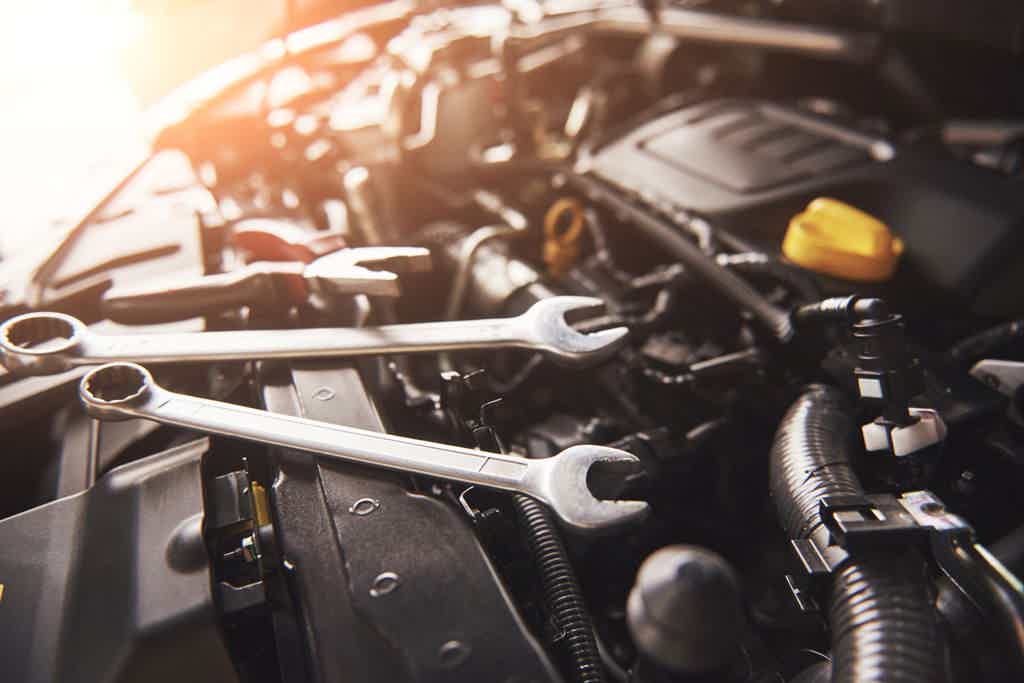
Many vehicle owners only remember maintenance when the vehicle presents some kind of problem, and that's a mistake.
Because components such as spark plugs, air filters, and even fuel filters are often forgotten by vehicle owners, and over time they tend to strain the engine and cause a natural increase in fuel consumption.
Therefore, scheduling maintenance and performing it properly is essential for fuel economy.
12. Prioritize one type of fuel.
If your car is flex-fuel and was released before 2005, experts recommend using only one type of fuel.
After that year, the reading systems evolved considerably, resulting in more efficient combustion that does not negatively impact consumption.
11. Fill up with quality fuel.
This is a rather obvious tip, but it needs to be mentioned.
But regardless of whether your car runs on gasoline, ethanol, or diesel, it's important to fill up with quality fuel.
Okay, so how do I know if the fuel I'm using in my car is of good quality? You might be wondering.
The tip here is to fill up at a gas station with a well-known brand and that participates in quality control programs. Typically, Ipiranga, Petrobras, and Shell are the brands that Brazilians trust the most.
10. If possible, opt for a more powerful engine.
The less powerful an engine is, the more fuel-efficient it will theoretically be. However, there are a number of variables involved in this statement.
In a cold, hard comparison between two identical projects, with the same weight and characteristics, the 1.0 engine may eventually be more economical.
However, a 1.3, 1.4, or even 1.6 engine can be more efficient than a 1.0, because it has a more modern block, with parts that have less friction, and requires "less" power than a smaller engine to move.
Fuel economy doesn't just come from the engine, but from the system as a whole.
9. Seek youth
Newer cars tend to be more fuel-efficient due to stricter energy efficiency standards that have been in place since 2015.
Newer models are "naturally" more fuel-efficient because they went through a period of regulatory change that calls for better energy efficiency. Therefore, looking for "younger" cars is another important tip for saving fuel.
8. Analyze the car design as a whole.
A valuable tip for saving fuel is to evaluate the overall design features of the car you want to buy.
The search for more efficient vehicles has led the automotive industry to adopt more advanced components.
Engines with direct injection and variable valve timing on both intake and exhaust tend to be more fuel-efficient. New generation turbocharged engines also offer better fuel economy.
Power steering, automatic air conditioning, electronic throttle, start/stop system, low-performance tires, and a variable oil pump are features that contribute to lower fuel consumption.
Finally, it's worth remembering to look at the Inmetro label, which shows average fuel consumption and gives efficiency ratings for cars sold in Brazil.
7. Keep your eyes on the tachometer.
It is very important to analyze the engine speed range in which your car operates optimally.
Generally, on flat roads, compact and mid-size models perform adequately and economically within a rev range of 1,800 to 2,000 rpm.
Maintaining your car at this RPM can result in fuel savings of between 20% and 50%.
6. Use the gear indicator.
Newer models have systems that indicate the ideal time to change gears, which is literally a lifesaver for those looking to optimize performance and save fuel.
These devices indicate when it's time to shift up or down gears, contributing to a more functional and optimized driving experience.
5. Keep your foot light.
Don't be "desperate" when stepping on the accelerator. Ideally, you should only use ¼ of the pedal's travel on flat surfaces, of course.
Depending on the engine power and traffic conditions, literally flooring the accelerator pedal doesn't guarantee the car will go faster and even increases the risk of the car stalling and taking longer to accelerate. This, in turn, consumes more fuel.
Therefore, keep your foot light and maintain it.
4. Free yourself only when necessary.
The traffic light is red and the traffic ahead is stopped? Take your foot off the accelerator in advance, letting the engine take care of slowing the car down.
Braking abruptly increases wear on brake pads, tires, and even shock absorbers, indirectly contributing to increased fuel consumption.
3. No coasting in neutral.
Many people choose to drive downhill in neutral, or coast. This is not only dangerous, but also leads to higher fuel consumption.
Ideally, when going downhill, use a gear that offers engine braking and stability. Along with that, it's recommended to take your foot off the accelerator.
When the foot is taken off the accelerator, the system cuts off the fuel supply. When idling, the system injects gasoline to keep the engine running at a minimum RPM.
2. Leave home a little earlier.
If you are naturally "late," you've probably already noticed how it affects your driving.
With less time available, you need to drive faster to avoid being late, which will cause you to accelerate and brake more, increasing your car's fuel consumption.
Therefore, plan ahead and leave home a few minutes earlier. This will allow for a smoother journey, enabling you to save on fuel and other vehicle components.
1. Be a kind driver.
And finally, another very important factor in saving fuel is being courteous on the road.
Driving without stress directly influences a more relaxed and pleasant driving style, contributing to less wear and tear on the car and lower fuel consumption.
By being courteous, you will naturally avoid speeding to overtake others or run red lights, and you will let pedestrians cross the street.
By being a courteous driver, you help improve traffic, drive more safely, reduce wear and tear on your car, and save fuel.
Great! Now with these tips, saving fuel is much easier, isn't it? Now all you need to do is put everything into practice.
We want to hear from you. Do you have any tips for saving fuel that we haven't shared here? If so, leave a comment telling us what your tip is. Your participation is very important.
And since we're talking about fuel, you surely know that we have a new gasoline at gas stations all over Brazil, right? But do you know what makes it different?
If your answer was no, then check out the button below for everything about Brazil's new gasoline.

7 mistakes to avoid to save gas.
Learn about the main mistakes many people make that should be avoided by those seeking to save on gasoline during times of high fuel prices.
Trending Topics

TOP Car Auctions: How to register to buy?
Want to know how to snag a good, inexpensive car at auction? At TOP Car Auctions, you have that opportunity, so find out how to buy here!
Keep Reading
Don't hesitate: 7 mistakes to avoid to save gas.
Mr. Cars | The best articles about cars on the internet! Don't hesitate: 7 mistakes to avoid to save gas.
Keep Reading
iCarros: See how the platform works!
Discover iCarros and learn how it works for both buying and selling different types of cars!
Keep ReadingYou may also like
Motorcycle consortium: is it advantageous to join one?
In a motorcycle consortium, the advantage is that you can better organize your finances to acquire your vehicle. Learn more and understand this option!
Keep Reading
How to buy cars seized at auction by Bradesco?
Discover the steps to buy a vehicle at auction from Bradesco's seized vehicles and secure a safe and economical purchase!
Keep Reading
Youse Auto Insurance: Learn all about this innovative vehicle protection plan.
Mr. Cars | The best articles about cars on the internet! Youse Auto Insurance: Learn all about this innovative vehicle protection.
Keep Reading


