Car
Used and nearly new cars: what's the difference, anyway?
Many people talk about used and nearly new cars as if they were the same thing, when in fact they are two different types of vehicles. Learn to differentiate between them and make great deals!
Advertisement
Discover the main differences between used and nearly new cars.
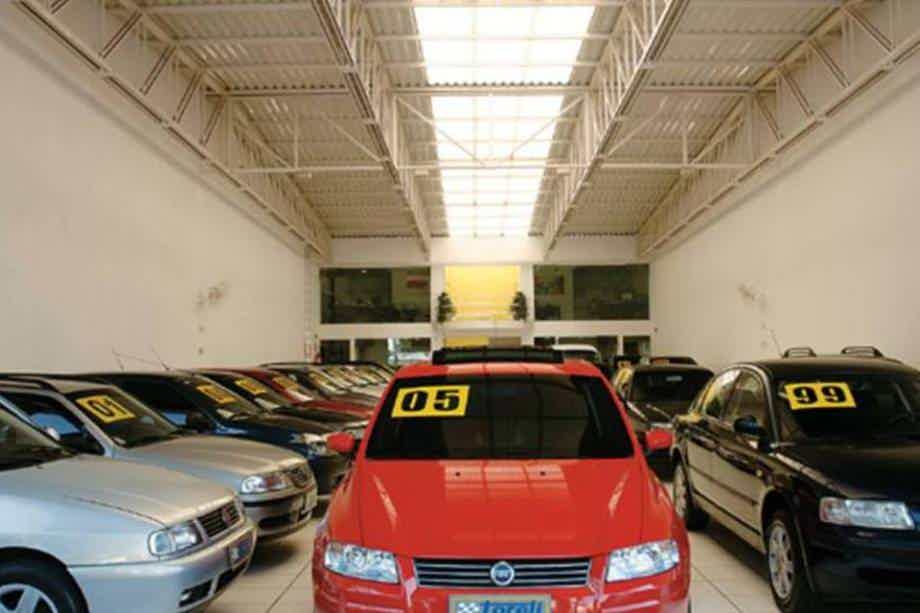
When it comes to buying a vehicle, used and nearly new cars commonly come to mind for many people.
That's a valid thought, but it has been affected by the current crisis we are facing.
It is known that anyone who buys a brand new car automatically loses between 20% and 30% the moment they leave the dealership.
This refers to the well-known and automatic market devaluation.
However, as many people know, vehicle prices have skyrocketed in Brazil.
Due to fluctuating exchange rates and a shortage of parts on the market, new vehicles are more expensive and in short supply.
The Chevrolet Onix, for example, resumed production this week due to a shortage of parts.
This led to waiting lists multiplying across the country for those seeking a brand new vehicle.
So, overnight, used and nearly new cars became all the rage.
And because of the old law of supply and demand, their prices became high.
However, although few people know it, used and nearly new vehicles are not the same thing.
Many people use both terms as if they were just one type of vehicle, but there are major differences between them.
Therefore, our experts are back in the field once again to explain the difference between used and nearly new cars.
Knowing the difference between the two is fundamental when buying a copy to call your own!
So, ready to learn a little more with the folks at Senhor Carros?
You will be redirected to another website
How do you define a used car?
As we just discussed, used and nearly new cars are distinct vehicles and differ in several aspects.
It's important to mention that a used car is indeed a good option when buying a new one.
However, for it to be a good option, it needs to be in good condition.
We're going to teach you now how to define a used car.
Usage time
Cars that are more than three years old are considered used. But just because they're used doesn't mean they're not good.
Well-maintained cars with low mileage that have undergone regular servicing are safe options for those looking for a quality used car without spending too much.
It's natural for a used vehicle to require regular maintenance.
However, if they are well cared for, it is possible to anticipate future problems.
Therefore, it doesn't cost much to keep them running safely.
Mileage
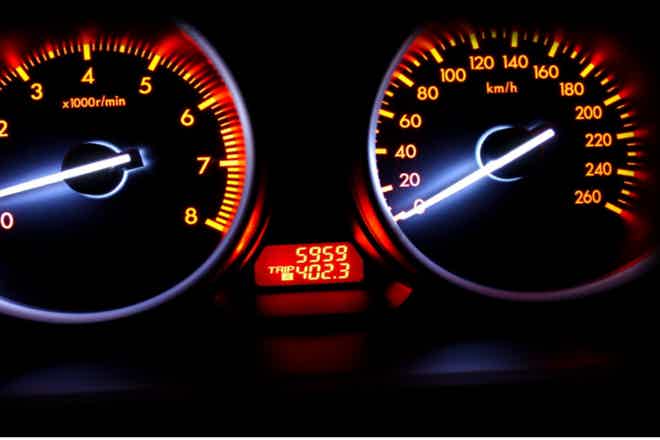
A vehicle that has driven more than 30,000 kilometers is naturally classified as a used vehicle.
After all, the more a car is used, the more wear and tear it suffers, right?
Brake pads, suspension components, tires, and spark plugs are examples of parts with a limited lifespan and require replacement as needed.
But here's an important point about mileage.
A used car with high mileage, but which has been driven extensively on the highway, is a good option, as it has experienced smoother driving than the notoriously problematic stop-and-go traffic of the city.
If you know the owner and are aware that he drove more on the highway than in the city, then this is a sure bet.
Number of owners
Here's a key difference that truly sets apart used cars from nearly new ones.
A car that is two years old is already considered used, but caution is needed here.
Generally speaking, the fewer owners a vehicle has had, the greater the chances that it is in good condition.
However, this is not a rule.
The car may have had only one owner and be in terrible condition, just as it may have had three owners and be very well preserved.
If you intend to buy a used car, consider its condition, not the number of owners it has had.
Year of manufacture
And here we have something that is a theoretical rule, not a practical one.
Vehicle appraisers state that a vehicle manufactured more than 3 years ago is considered used.
But in practice, this is a rather impractical rule.
After all, the vehicle may have been manufactured 5, 7, or even 10 years ago and still be in better condition than a two-year-old vehicle.
It's a nonsensical rule, but it needs to be mentioned here to inform you.
Defining a vehicle as nearly new
Continuing our special article on the difference between used and nearly new cars, now it's time to learn how to classify a vehicle as nearly new.
Shall we begin?
Usage period
For a car to be considered nearly new, it needs to be in perfect working order.
Mechanically, it must be completely intact, including original factory parts.
The bodywork must be in perfect condition. No dents or scratches, and the interior must remain in good condition.
The seats, steering wheel, and dashboard must be intact. No cracks or tears.
Used cars are generally no more than two or three years old after their manufacture.
After this period, it's relatively difficult for it not to have suffered some more significant wear and tear. This applies to parts, bodywork, and seats.
However, the length of time a car has been in use cannot be the sole criterion for classifying it as nearly new.
Even if a car is only a year old, it's common for it to show signs of wear, such as wear on the steering wheel or scratches.
Mileage
Once again, mileage is a key factor in differentiating between used and nearly new cars.
Mileage is an important factor in classifying a car as nearly new.
For a car to be considered nearly new, it must have a maximum of 20,000 to 30,000 kilometers on the odometer.
Above this mileage, the car will begin to show natural wear and tear from use.
This brings him closer to needing parts replacements, such as brake pads, tires, suspension, and shock absorbers.
However, as we mentioned, it's necessary to know whether the car has been driven more on the highway or in the city before closing the deal.
Number of owners
And here, again, we'll talk about the number of owners.
This is an undeniable record. The nearly new car was only ever sold once, and that was it!
If the vehicle has been owned by more than one person, then yes, it is a used car.
But that doesn't mean it's in a bad state of preservation.
Used and nearly new cars: what to consider when buying one?

Used and nearly new cars are great buying options.
However, some important issues need to be taken into consideration before closing this type of deal.
To help guide you through this type of purchase, our experts point out what to consider when buying used and pre-owned cars.
So, let's find out what you need to consider before making this type of purchase.
Parts and maintenance status
The first thing to consider before closing a deal involving a used or nearly new car is whether the car has original parts and if its maintenance is up to date.
In a pre-owned vehicle, original parts are a great sign of care.
For used vehicles, ideally they should have undergone regular maintenance and the owner should have proof of what was done.
Check the conditions.
Checking the overall condition of the vehicle is essential.
In general, check the entire condition of the bodywork, looking for dents, scratches, and differences in paint.
Windows, upholstery, and electrical components need to be carefully inspected.
In the documentation section, check the vehicle's registration number (RENAVAM). This allows you to see the vehicle's accident history, fines, and documents.
And last but not least, take your trusted mechanic to check if it's a good purchase in terms of mechanics.
Is it worth buying used and nearly new cars?
Buying used and nearly new cars is definitely worth it!
Regardless of the type of vehicle you have chosen to buy, you need to take your time when making your choice.
Observing the car, taking a test drive, feeling comfortable driving it, and being sure that it's a vehicle that meets your needs are all important factors.
There's no point in buying a used or nearly new vehicle in a hurry, as it will bring you a series of problems shortly afterwards.
With a little patience, it's easy to find real gems on wheels!
Learn how to evaluate a car and close a great deal.
Now that you know the difference between used and nearly new cars, answer this question for us:
Do you know how to evaluate a used car?
If your answer was: no, how about learning?
Our experts have prepared special content full of tips to help you learn how to evaluate a used car.
That way, you close a good deal and avoid getting into trouble.
Learning is simple: just click the button below!
Trending Topics

Assurant Vehicle Insurance: How to get insurance?
At Assurant Vehicle Insurance, you can get insurance quickly and easily to protect your car. Learn more!
Keep Reading
How can I participate in a judicial auction safely?
Learn how to participate in a judicial auction safely and take advantage of business opportunities. Get the car of your dreams!
Keep Reading
Digital Driver's License: how to download and use the app?
See how to download the app for your digital vehicle document, CDT, to check fines online and enjoy other conveniences!
Keep ReadingYou may also like

How to rent a motorcycle and save money in Brazil?
Learn step-by-step how to rent a motorcycle safely and save money in Brazil. Discover best practices and avoid problems.
Keep Reading
Porto Seguro Car Rental: How to register to rent a car
The Porto Plus program from Porto Seguro Car Rental offers its customers great discounts on car rentals: find out how to rent!
Keep Reading
Premmia app: save on fuel!
The Premmia app offers exclusive benefits and cashback, plus a partnership to earn travel miles with Smiles!
Keep Reading


