Articles
Learn how to evaluate a used car and pay a fair price for it.
Knowing how to evaluate a used car is the best way to avoid impulsive purchases and ensure you pay a fair price for the vehicle you're trading. Learn how to perform this type of evaluation.
Advertisement
Properly evaluating a used car is important.
Buy and sell a car Buying a car that isn't brand new always involves delicate negotiation. Knowing how to evaluate a used car is simply fundamental to avoid impulsive purchases and losses by paying more than the car is actually worth.
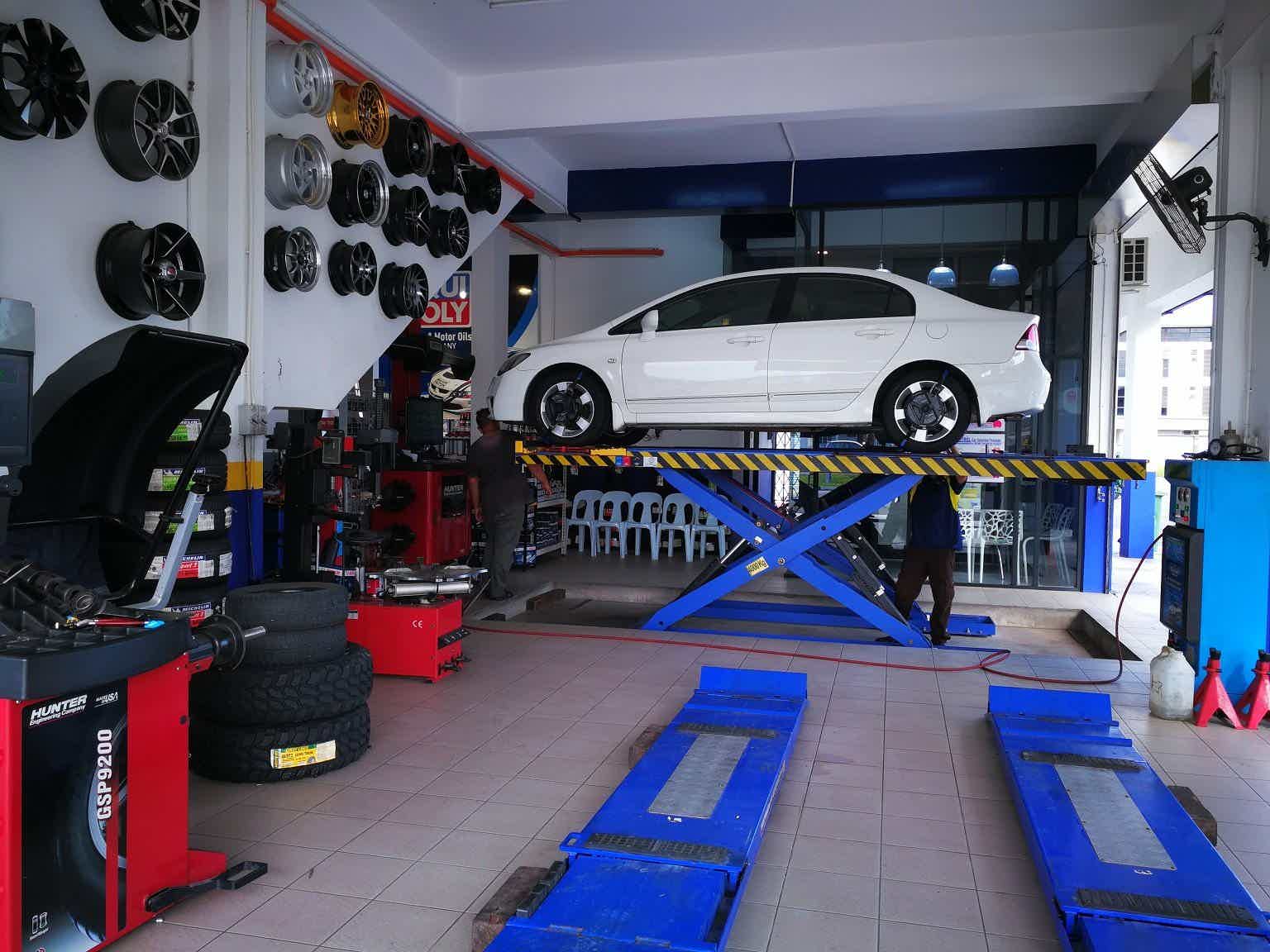

Car subscription: find out how it works
Discover how car subscription services work and drive around without worrying about bureaucracy.
The complete conference on the purchase of a used or nearly new vehicle She must be very attentive and thorough.
It's always necessary to have a professional help, including checking the chassis number engraved on the windows, bodywork, engine, and vehicle registration document, and gradually moving on to other parts of the vehicle in question.
Generally speaking, when evaluating a used car you should pay attention to four very important parameters to avoid buying a pig in a poke. These are:
Engine, tires, overall condition, and bodywork.
To make this process easier, we'll show you below how to proceed when evaluating a used vehicle to pay a fair price for such a vehicle.
Shall we begin?
You will be redirected to another website
How to fully evaluate a used car.
Contrary to what many people believe, evaluating a used car is a relatively simple task.
If you're simply a car enthusiast and not a car expert, we suggest you seek out a trusted professional mechanic for this task.
There are also some companies on the market that evaluate the car you want to buy and charge affordable prices for this type of service, which is actually a very smart investment.
But don't be afraid!
By continuing to read, you will discover how to properly evaluate a used car, so that you can make a good purchase or avoid getting ripped off.
Ready to leave?
Start by assessing the maintenance and the engine.
The first step in evaluating a used car is to analyze its maintenance history.
Open the car's manual and check if the maintenance was performed at dealerships authorized by the manufacturer.
If you don't see the records, then ask the owner to show you the receipts detailing what repairs were carried out.
This is the main way to verify that the mechanics are in good working order!
Next, it's time to open the hood for a sneaky look at the engine!
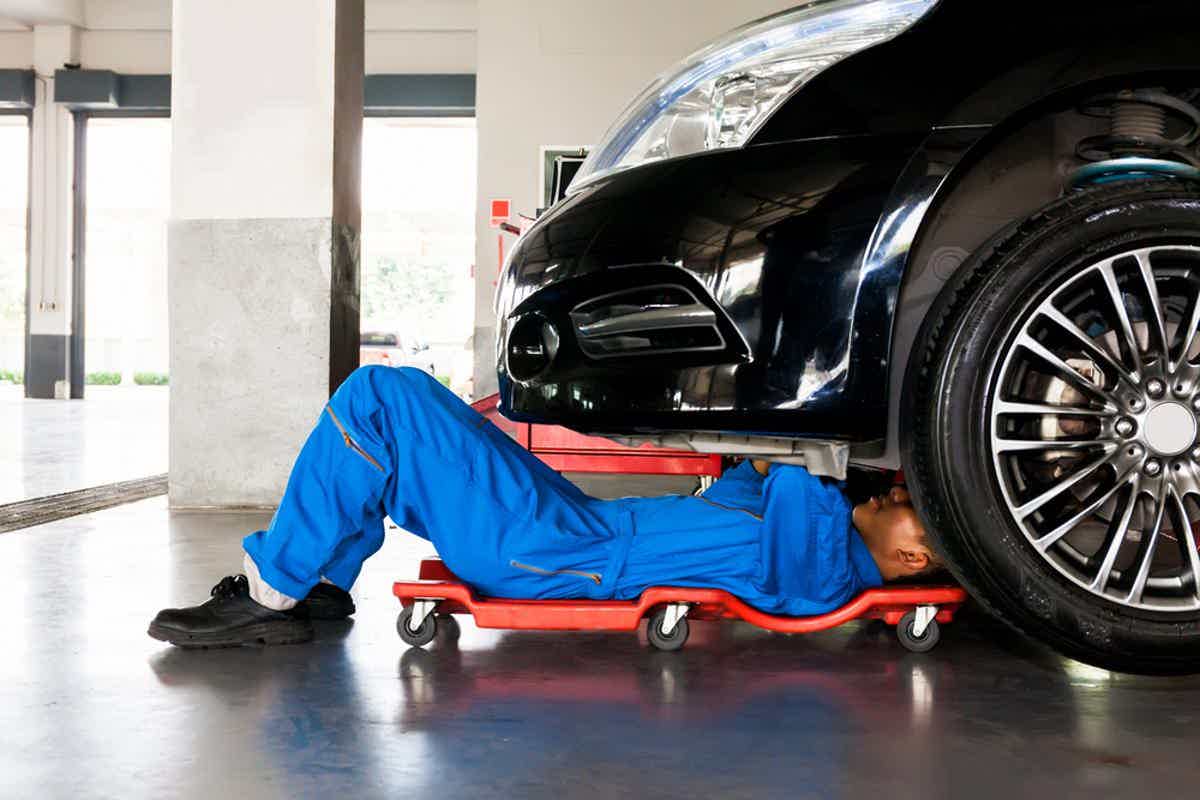
Pay close attention to the parts containing rubber. They need to be in good condition.
Dry and brittle erasers are a bad sign! Furthermore, driving the car It's also something necessary.
While driving, listen to the sounds the vehicle makes. If you notice the engine knocking or suspect noises coming from the front, don't buy the vehicle. It's that simple.
Pay attention to the tires.
Other important parameters to consider when evaluating any type of used vehicle are the tires!
If the tires are very worn, it's a classic sign of neglect in car maintenance on the part of the owner. In other words, a warning sign is flashing.
If the tires show uneven wear, it's a classic indication of a lack of alignment and balance.
And lastly, don't forget to look inside. If there are bubbles, they need to be replaced.
And if you need to change the tires, you can negotiate and deduct the cost of the tires from the final price of the car, thus closing a fair deal.
Bodywork
The bodywork is an important point to be evaluated and deserves attention.
Therefore, check the entire length of the car, very calmly and carefully.
Here's an important tip: never inspect a vehicle's bodywork on rainy days.
Water droplets can obscure a more linear and realistic view of the bodywork's condition.
Another important point is to inspect the car during the day in a well-lit place. Avoid enclosed spaces.
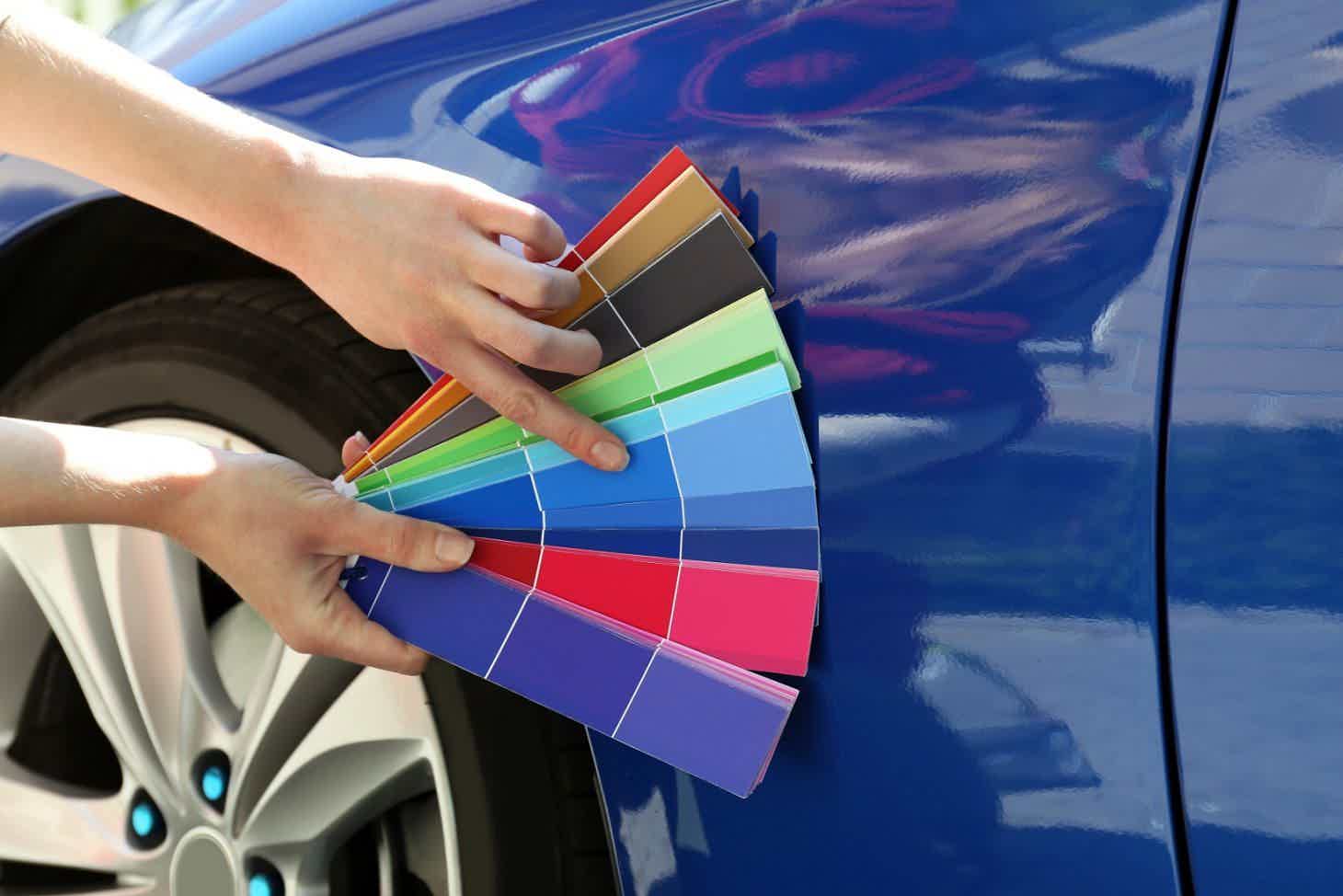
A really cool way to assess the straightness of the car's bodywork is to kneel in front of the car and look at it from head to toe.
When you step back, try to look for color differences. If the paint is different on one of the parts, it's a classic sign that the car has been in an accident and repaired.
Micro-paint imperfections and small dents can count against it.
And lastly, but no less importantly, any and all types of rust are unacceptable. This is a classic sign that the vehicle hasn't received even the most basic care.
General state of conservation
And the last type of action at the time of to evaluate a car When considering a used item, pay attention to its overall state of preservation.
Check if the interior is clean and if the plastic parts are moisturized.
If the car is dirty and the interior plastics are dry and cracked, it's a sign of neglect.
A poorly maintained car says a lot about how well the previous owner cared for it.
Another important point to consider is the pedals.
These components are often overlooked by buyers. So don't forget to check them.
If they are quite worn and the mileage is low, be suspicious.
Worn pedals are associated with high odometers, just as well-maintained pedals are associated with low odometers.
Conclusion
As you just noticed, evaluating a used car is a relatively straightforward task.
But as we said, if you don't feel confident doing this task, look for a professional company or take your trusted mechanic with you to minimize the chances of making a bad deal and paying the wrong price. FIPE Table or less.
Now, if your business is driving, but you don't want to literally buy a car, know that the solution is to look for a car subscription service.
It may sound crazy, but it's not!
Did you know that nowadays it's possible to get a car through a subscription service directly from some manufacturers?
Have you ever thought about driving around without having to pay vehicle tax, registration, car insurance, and other bureaucratic fees? Know that this is possible and in some situations even cheaper than buying a vehicle.
Intrigued? Want to know more? Just click below!
Car subscription: find out how it works
Discover how car subscription services work and drive around without worrying about bureaucracy.
Trending Topics
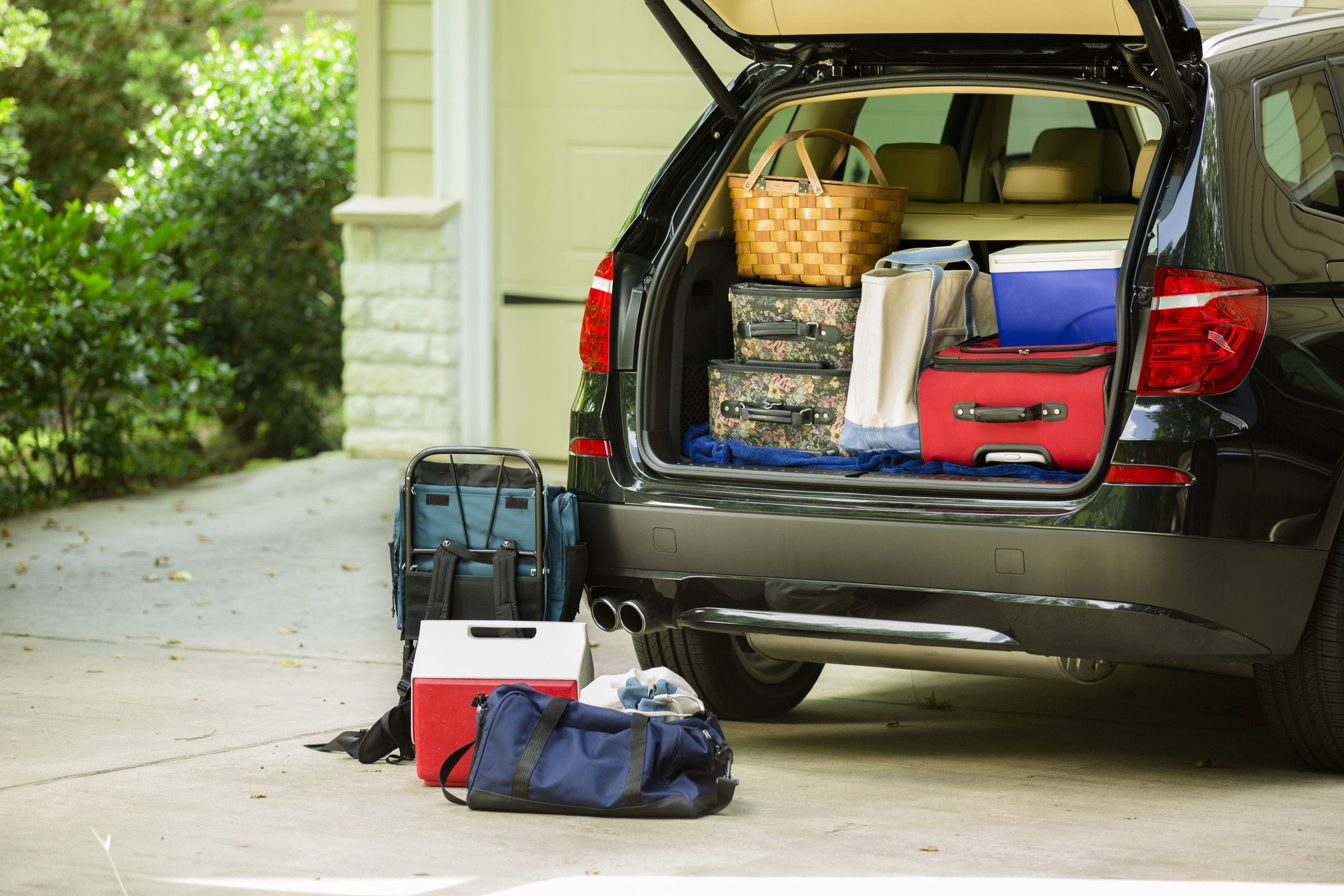
What items should you leave in your car and what shouldn't you leave out? See the list.
Learn which items to avoid leaving in your car to ensure savings, safety, health, and extended lifespan of your equipment!
Keep Reading
Online Driving School App: Get your driver's license easily!
How does the Online Driving School app work? It's perfect for studying for the DMV test. Practice your knowledge with this app.
Keep Reading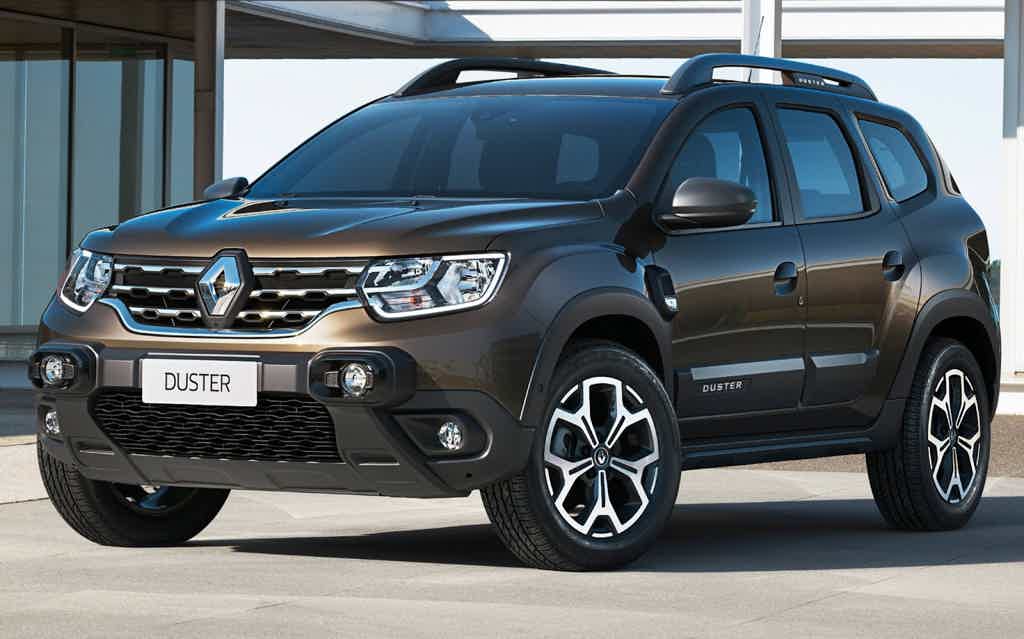
Pros and cons of the Renault Duster: What it's like to own the SUV
Mr. Cars | The best articles about cars on the internet! Pros and cons of the Renault Duster: What it's like to own the SUV
Keep ReadingYou may also like

Foco Auctions: How to register to buy?
See here how to buy at Foco Leilões and find the car you've always wanted in your garage at attractive prices. Learn more!
Keep Reading
The 10 best motorcycles to buy in Brazil in 2023
Discover the 10 best motorcycles to buy in Brazil here and choose the one that best suits you, whether for everyday use or leisure. Check it out!
Keep Reading


