Car
Car prices in Brazil: Why are they so expensive? The definitive answer.
Discover the reasons why car prices in Brazil are so high and how prices can rise even further in a short period of time before decreasing. Check it out!
Advertisement
Discover the reasons behind the high price of cars in Brazil.
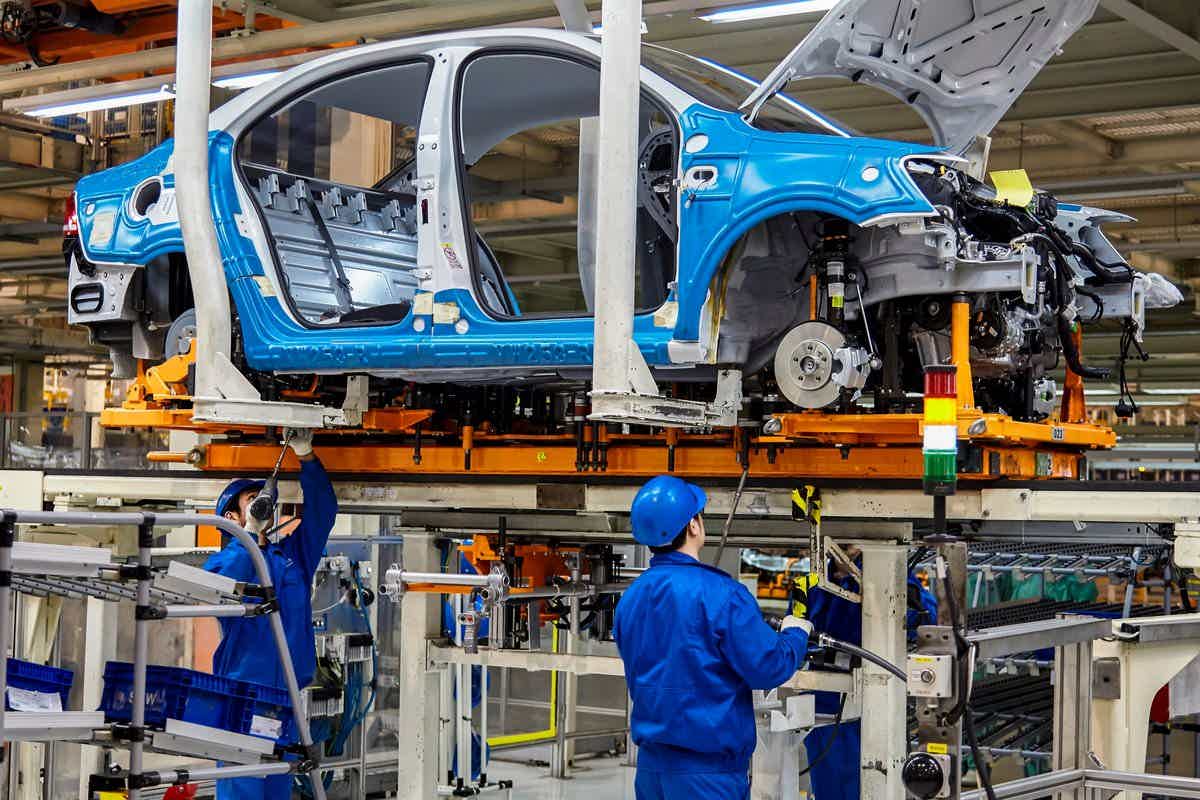
If you're a car enthusiast, you've probably complained about the high price of cars in Brazil, and wondered why vehicles are so expensive here, making it very difficult not only to buy but also to maintain a car.
Brazilians are absolutely right to complain about the high prices of new cars, and now also of used and nearly new cars.
Some talk about the "Brazil Cost," others about "Brazil Risk," and there's also the term "Brazil Profit."
In reality, there are many hidden agendas surrounding car prices in Brazil.
After much study, research, and conversations with economists specializing in the automotive market, our experts reveal the real reasons why cars are so expensive in Brazil.
If you've ever wondered and debated with friends why we pay so much for cars, motorcycles, vans, and trucks, now's the time to find out the truth!
Ready to go?
Why do brand new cars cost more in São Paulo?
Find out why a brand new car costs more in São Paulo than in many other places in the country, and discover where to buy cheaper vehicles!
You will be redirected to another website
Brazil has the most expensive cars in the world.
Brazil is currently one of the most expensive places in the world to buy and maintain a car.
A 2016 survey by the British financing brokerage Car Finance 247 compared the price of a Volkswagen Golf 1.4 in various countries where it is sold.
Brazil presented the most expensive model on the planet, can you believe it?
In Australia, for example, it costs 64% of the price charged here. In India, the same car can be purchased for only 38% of the price.
Another more recent study, this time conducted in 2019, showed that things remained the same, or even worsened.
This study compared the minimum wage in all countries that sold the Toyota Corolla and showed that at the time, a Brazilian needed to work eight years longer than a Japanese or German person to buy the same model.
The study in question showed that in Japan the Corolla cost 15.4 minimum wages, in Germany 18.4 minimum wages, in the United States 19.9 minimum wages, and in Brazil an unbelievable 119.2 minimum wages.
Even in our neighbor Argentina, which has been going through economic difficulties for years, it's easier to buy one. There, you "only" need 112.4 minimum wages to buy the Corolla.
Furthermore, in countries like the USA, Germany, and Japan, cars last longer than in Brazil due to the quality of the roads and asphalt in the cities.
7 reasons why car prices are high in Brazil
After making you a little angry with the comparisons to other countries, we're now going to show you the real reasons why car prices in Brazil are so high.
7. Taxes

We'll start with the obvious: taxes.
The taxes that make up the price of a car in Brazil today are:
- IPI: Tax on Industrialized Products;
- ICMS: Tax on the Circulation of Goods and Services;
- PIS: Social Integration Program;
- COFINS: Contribution to Social Security Financing;
- II: Import Tax, for imported vehicles.
This automatically means that a vehicle leaving the factory can cost between 33% and 47% more just because of taxes.
According to industry experts and ANFAVEA – the National Association of Automotive Vehicle Manufacturers:
"Various taxes are levied throughout the production chain. Raw materials, labor, equipment, space, etc. All of this increases the cost of production, in addition to generating tax on top of tax."
6. The Cost of Doing Business in Brazil
The "Brazil cost" is another reason why car prices in the country are so high.
Put more simply, the "Brazil Cost" studies the production chain of various companies in different countries, collecting data over the years.
It is important to note that there is no formal data from these companies that would allow for a specific analysis that would reveal the high cost of producing a car in Brazil.
In general, Brazilian cars are more expensive because of high taxation, as we have just shown. How much this tax burden contributes to the price is unknown.
Of the studies that most closely analyze Brazil in relation to the global market, one indicates that a vehicle produced here can cost up to 8% more than in any other country in the world.
From the automakers' point of view, this is due to a lack of stability in our market.
Generally, the logic used by automakers is to keep prices high during periods of economic growth, in order to weather periods of downturn and avoid significant losses.
Furthermore, the operational cost in Brazil is very high.
In a country as vast as Brazil, 70% transportation by road significantly increases the cost of road freight, and the buyer ultimately pays the price.
5. Profit Brazil
Profit is profit in any country, isn't it?
Nobody produces or manufactures anything to make a loss. The question when we talk about car prices in Brazil is this: Is there more profit here than in other countries?
Sometimes yes, and sometimes no.
Multinational companies are able to offset downturns in some markets by increasing margins in others that are performing better.
Brazil, before the current crisis, helped to weather difficult times for the US and Europe after the 2008 crash.
Nowadays, economists say that automakers here have had to reduce profit margins on regular cars, trying to compensate with better earnings from SUVs and pickup trucks.
That explains why SUVs are being increasingly forced down the throats of Brazilians.
4. Status
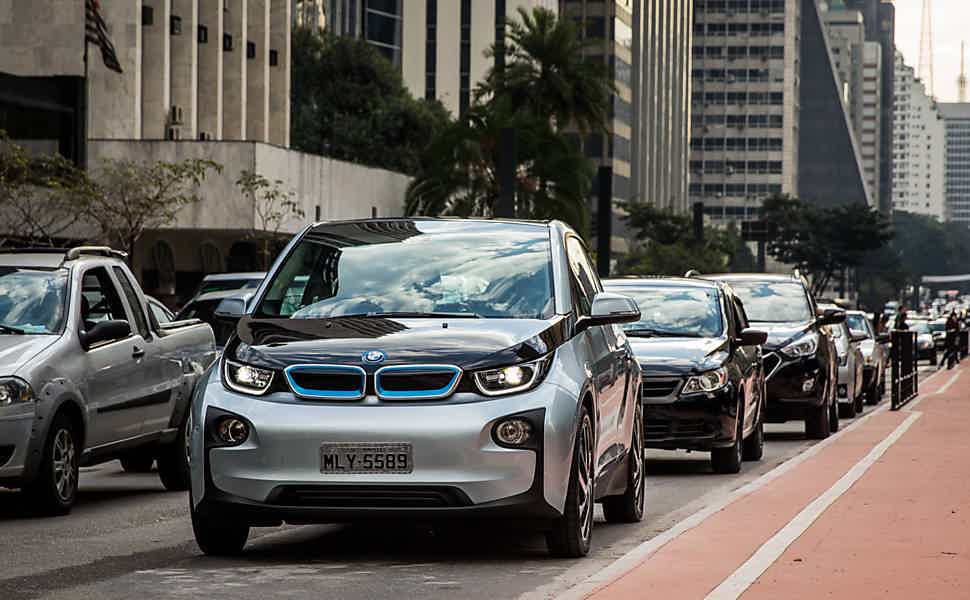
Yes, as silly as it may sound, Brazilians pay, and pay dearly, for designer brands in all consumer segments.
So why would it be any different with cars?
Even among brands that aren't considered premium, there are models that confer more status to buyers, such as the most sought-after SUVs or the large, exclusive pickup trucks.
This, of course, comes at a price. And Brazilians pay (and pay a high price) for it.
3. Appropriation of value
Have you ever wondered why coffee is more expensive at the airport than anywhere else?
And why do we pay, anyway? Because of the rush, the desire, the lack of options.
This is called value appropriation.
This is applied to some more exclusive car categories, or even by brands that are at the limit of their factory capacity.
If you're selling everything you produce, you charge the maximum the customer is willing to pay.
This is called Pricing Power, the ability to raise prices without losing results and without driving customers to the competition.
Honda, for example, specializes in this type of practice.
Those with idle capacity in their factories tend to loosen prices somewhat. This is because inventory generates costs.
This is the old law of supply and demand in its rawest form.
2. Added value
This is the method that most favors the profit margin of automakers.
These are the more equipped vehicles, which incorporate many convenience, comfort and safety features, as well as aesthetic equipment and accessories.
The more equipped the vehicle, the more the manufacturer can add margins on those items, increasing the overall profit margin of the vehicle.
That's why there are so many special editions, adventure versions. They're ways to maximize profits.
1. Costs of the new modality
This is a rather complex cost that directly impacts car prices in Brazil.
Car manufacturers are currently facing the most challenging phase of their existence.
The business model is being turned upside down by a number of trends, such as electrification, automation, connectivity, sharing, and many others.
The costs of entering this new world of mobility are very high and without a clear guarantee of return.
They need to think about this new world without neglecting the current world.
Thus, in addition to automakers competing with each other, they began competing against new players, such as ride-hailing apps, car rentals, and many others.
It's almost like refueling a plane in mid-flight.
It is highly likely that automakers that fail to reinvent themselves will fall by the wayside, and that new mergers and partnerships will emerge.
With so many investments required, don't expect a miracle of having cheaper cars in the near future.
The real miracle will be having total mobility without needing expensive cars, and that's where the tide is turning.
And for the switch to turn completely, someone needs to keep the automakers' coffers full.
Devaluation is another burden on the Brazilian consumer's pocket.
Another important factor we must take into consideration is the depreciation of a brand new car.
It is estimated that, on average, 10% of the car's value is lost as soon as the purchase is made.
The Brazilian Federal Revenue Service has a table for calculating vehicle depreciation that indicates an annual depreciation in the range of 20% for passenger cars.
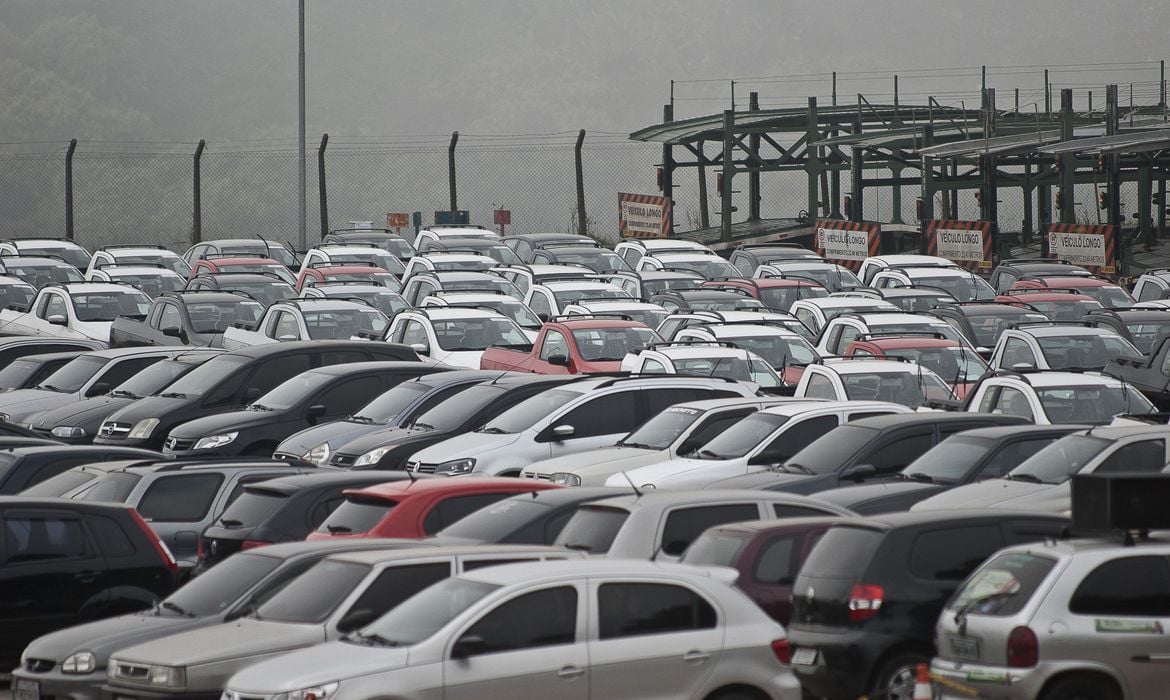
Why are used cars so expensive?
Used cars are more expensive, sometimes even selling for prices above the market value of brand new cars. Today we'll explain why and show you how to buy one for less.
The outlook for the near future is not very encouraging.
You've certainly noticed that car prices in Brazil have gotten even worse since the pandemic started, haven't you? Well, yes…
The pandemic has brought about a complex global situation that is difficult to manage, causing shortages of basic supplies and electronic components.
Another factor is the cost of international freight, which has increased significantly for both sea and air transport. To complete the picture, we can mention them once again: taxes.
In its monthly press conference presenting results, the National Association of Automotive Vehicle Manufacturers showed that approximately 200,000 units were produced in the first quarter, a smaller quantity than in the same period last year.
When we look at the number of licenses issued, the situation is even worse.
The decline in the first quarter of this year was almost 181% lower than the same period last year.
In contrast, exports remained at the same level as last year, in the range of 60,000 vehicles.
Parts and cars are missing.
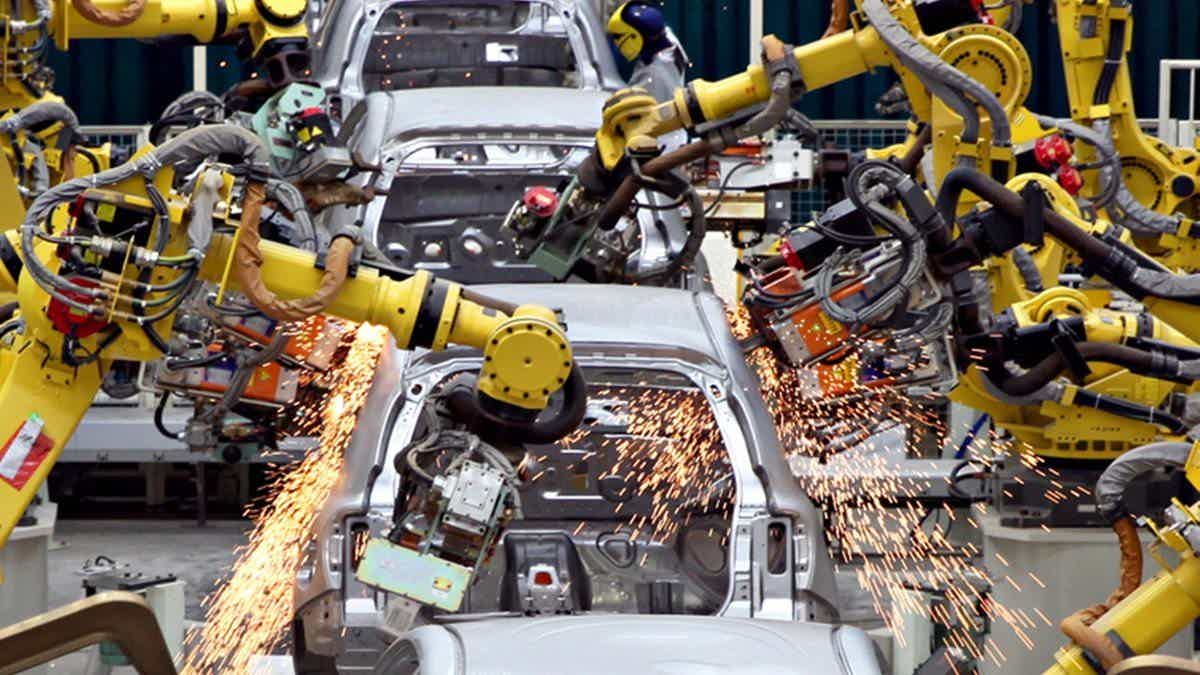
In the first quarter, we saw that some factories stopped producing.
This reflects the lack of supplies in the industry, whether of domestic origin or imported.
The logistics and purchasing departments of automakers are struggling to mitigate delays in parts delivery from suppliers at various levels.
It's a logistical disruption in the global production chain. Shortages of supplies, freight delays, lack of containers, lockdowns, and canceled flights.
There is a shortage of steel, rubber, tires, plastics, and various other materials. Each day brings a different item, and it's not the same for different car manufacturers.
When parts are available, there is another challenge: adapting the production line to the models that can be made, altering the entire factory schedule.
Another impact on production is the readjustment of the workforce to lower production levels.
The result of all this is a shortage of cars at dealerships. Many models have waiting lists exceeding 90 days.
With long waiting lists to buy brand new vehicles, as we've shown here several times, car prices in Brazil continue to rise in the used and pre-owned market as well.
Conclusion
Now that you know why car prices in Brazil are so high and have just discovered that prices are unlikely to fall, how about finding another way to buy your car?
One of the best ways to secure a quality car at fair and honest prices is through car auctions.
If you're looking to buy a car but don't want to spend a fortune, we've prepared special content to keep you informed about vehicle auctions.
To check it out, just click below!
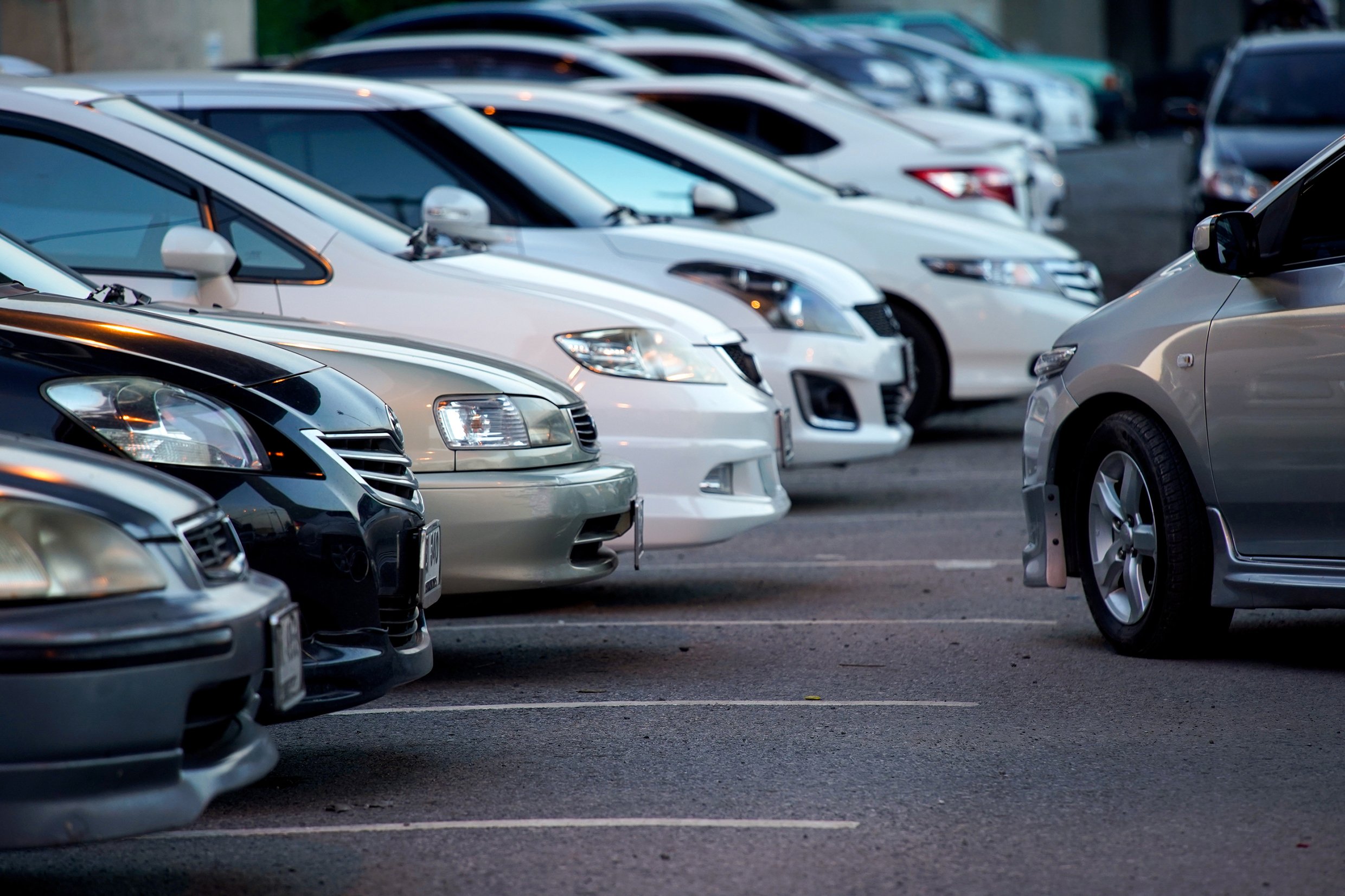
The ways to buy a car at auction.
Discover the secrets to making a successful purchase at auctions and secure your copy without losing money!
Trending Topics

Does GPS work offline? 6 best apps for Android and iPhone
Did you know you can use GPS offline? The best apps include free options and are even suitable for those who enjoy hiking!
Keep Reading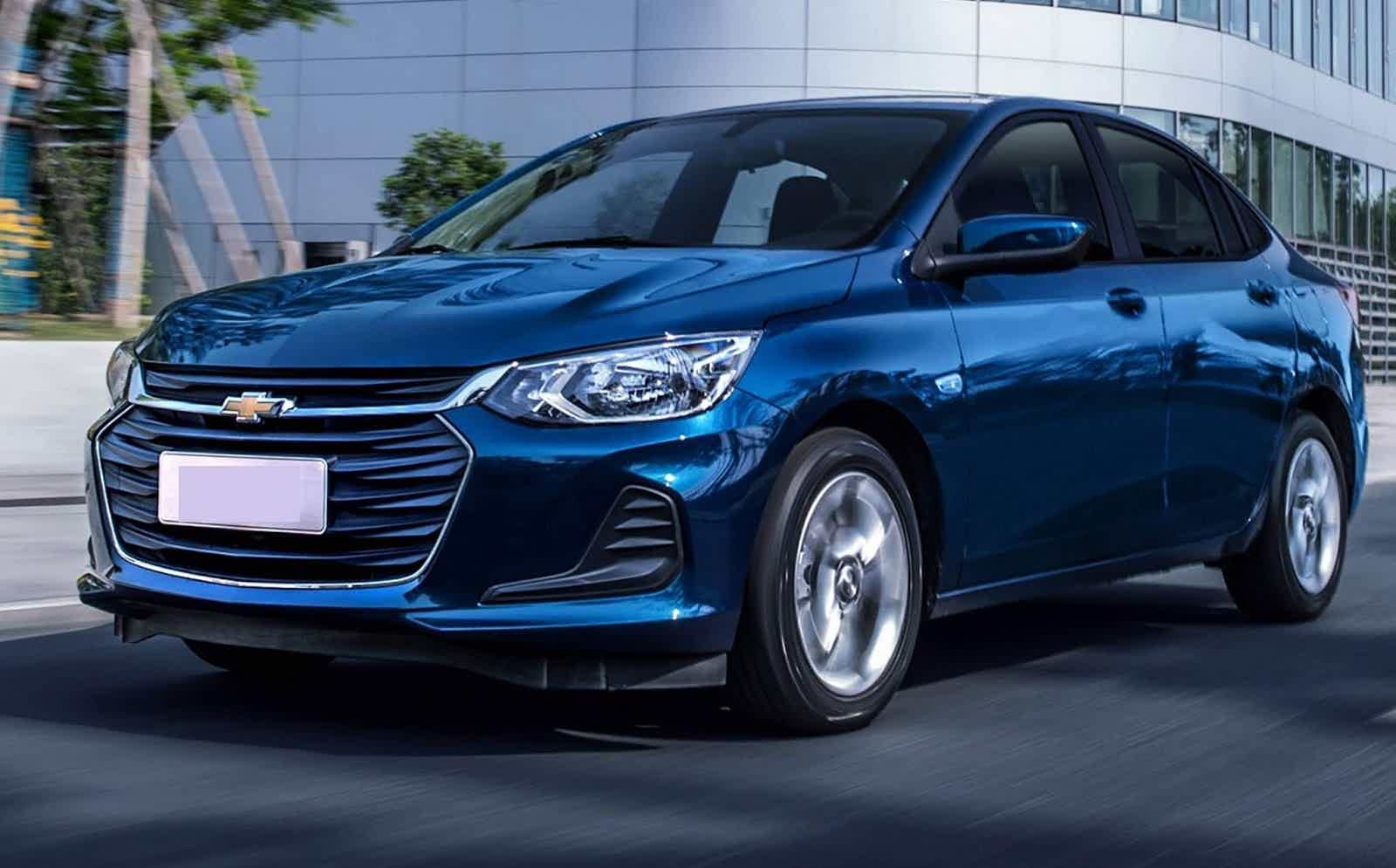
The cars that lost the least value in 2019
In 2019, we had several cars that lost almost no value. So check out the cars that depreciated the least in 2019.
Keep Reading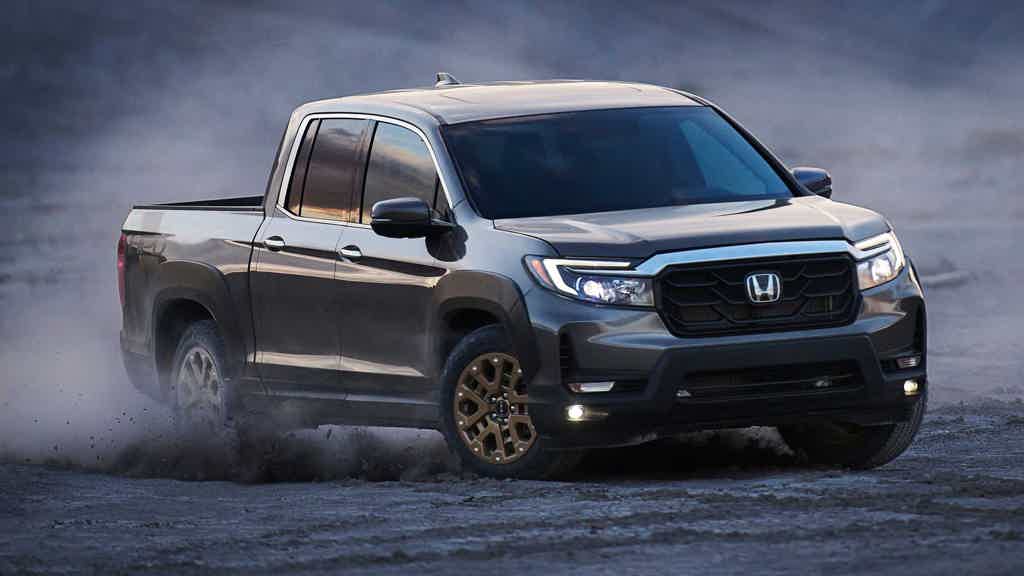
Pickup trucks that would be a hit in Brazil: Discover 10 models!
Mr. Cars | The best articles about cars on the internet! Pickup trucks that would be a hit in Brazil: Discover 10 models!
Keep ReadingYou may also like
3 essential tips for buying a car safely.
Want to buy a car but afraid of being scammed? Check out these essential tips for buying a used car safely!
Keep Reading
Fiat Cronos: Get to know the model details
Mr. Cars | The best articles about cars on the internet! Fiat Cronos: Learn everything about the sedan that's anything but sporty.
Keep Reading
VW Sign&Drive car rental: learn about it and find out if it's worth it!
Want to own a Volkswagen, but with the convenience of a subscription-based rental? Learn about VW Sign&Drive vehicle rental and find out if it's worth it!
Keep Reading


