Car
The 20 most fuel-efficient cars in Brazil!
Check out our exclusive list of over 40 of the most fuel-efficient cars in Brazil! This way, you're guaranteed quality, comfort, and savings. See it here!
Advertisement
25 – Fiat Argo
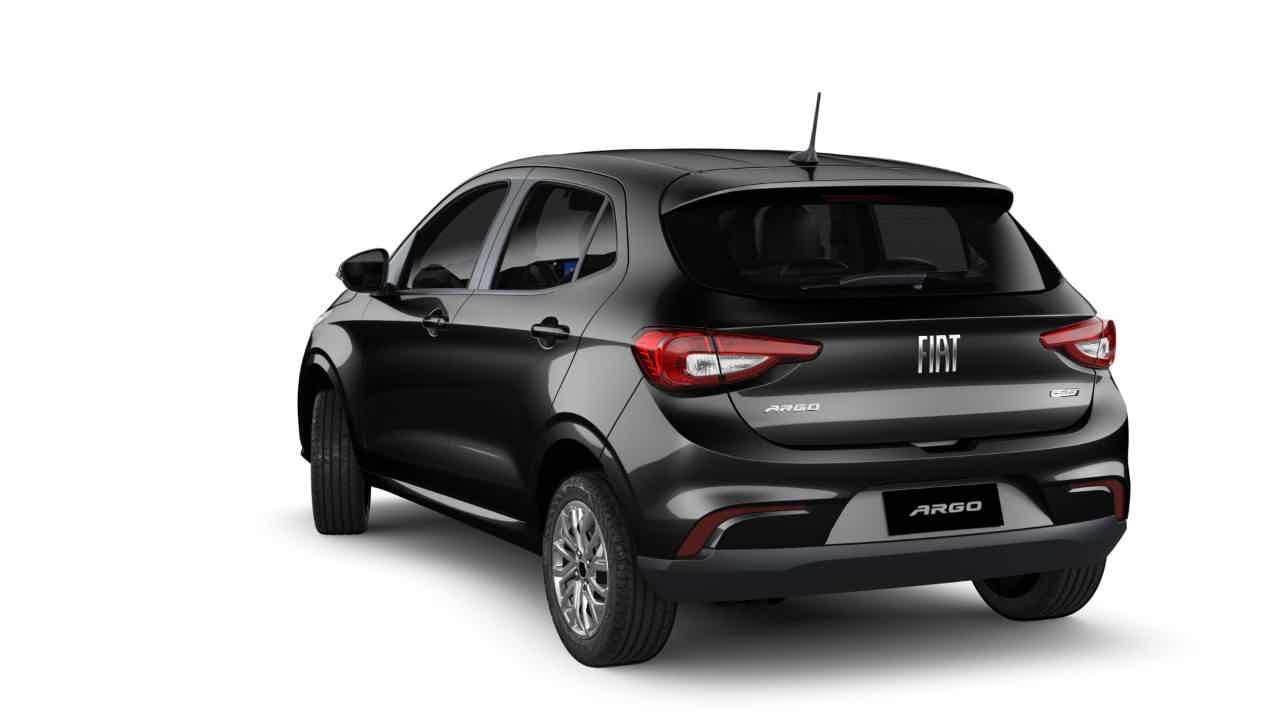
From the version 1,0the Argo It has a fuel consumption of 13.0 km/l in the city, while it consumes 14.7 km/l on the highway, and an energy consumption of 1.55 MJ/km.
THE Fiat Argo 2019 It comes equipped with three engines from two families, with the Firefly being the main novelty. The modular engine is part of the FCA group's GSE generation, which has three cylinders with 1.0 liters or four cylinders with 1.3 liters, both made of aluminum, but with only two valves per cylinder. Thus, the 1.0 6V delivers 72 hp with gasoline and 77 hp with ethanol, both at 6,250 rpm. This one has 10.4 kgfm with gasoline and 10.9 kgfm with ethanol, both at 3,250 rpm.
The 1.3 Firefly Flex engine has four cylinders and 8 valves, delivering 101 hp with gasoline and 109 hp with ethanol, both at 6,250 rpm. It has 13.7 kgfm of torque with gasoline and 14.2 kgfm with ethanol, both at 3,500 rpm.
With multipoint electronic fuel injection, the Fiat Argo It intelligently manages fuel consumption by using software to determine fuel distribution, making the vehicle highly economical and even more efficient.
You will be redirected to another website
24 – Citroën C3
From the version Originthe C3 It has a fuel consumption of 13.2 km/l in the city, while it consumes 14.8 km/l on the highway, and an energy consumption of 1.53 MJ/km.
The line Citroën C3 It's one of the most technologically advanced on the market, as evidenced by its onboard computer and fog lights. It's an excellent city car, with a fuel consumption of 11.8 km/L, and even with its rather power-hungry engine, it's very economical and comfortable.
In addition to guaranteeing technology and connectivity on board, the Citroën C3 It is equipped with a 6-speed automatic transmission that ensures smoother and more economical journeys, full of comfort for drivers and passengers. All this in SPORT and ECO modes, designed to make the experience of driving the Citroën C3 totally unique.
23 – Volkswagen Voyage
From the version (14-inch wheels)the Voyage It has a fuel consumption of 13.4 km/l in the city, while it consumes 15.6 km/l on the highway, and an energy consumption of 1.52 MJ/km.
THE Voyage It comes with the ECO Comfort system. This device is present in all versions (with I-System) and guides the driver to drive more economically, through messages on the instrument panel, which can be selected to appear both when the vehicle is stationary and in motion. According to the VolkswagenThe new engine delivers high torque at low RPMs, allowing for longer gear ratios up to 10%, reducing fuel consumption and providing greater comfort at speeds. There's no need to constantly shift gears.
On a longer trip, with an average fuel consumption of around 20 km/l, it's possible to achieve a range of nearly 1,000 km without needing to stop for refueling. The secret to such fuel efficiency isn't just the engine. The car comes equipped with "green" tires, with low rolling resistance and increased silica content in their composition. The mid-range Comfortline version uses tires in size 185/65 R14.
22 – Chevrolet Prisma
From the version MT LTthe Prism It has a fuel consumption of 13.1 km/l in the city, while it consumes 15.8 km/l on the highway, and an energy consumption of 1.52 MJ/km.
With an urban fuel consumption of 13.1 km/l Prism It saves a lot of fuel on roads with heavy traffic and frequent stops. An excellent vehicle choice for those who live in big cities, not to mention that this masterpiece of... GM It is very beautiful and comfortable, combining affordability and luxury.
With the launch of the second generation in 2012, the Prism It was completely redesigned, leaving behind the Celta platform and adopting the Onix platform. As a major update, the Prisma's fuel consumption improved, especially for highway use – reaching 15.6 km/h in the 1.0 engine version. In this way, the car established itself as an economical four-wheeled means of transportation, guaranteeing good sales.
21 – Renault Sandero
From the version Authentiquethe Sandero It has a fuel consumption of 14.2 km/l in the city, while it consumes 14.1 km/l on the highway, and an energy consumption of 1.52 MJ/km.
Renault made nine modifications to the 1.0 12V engine compared to the 1.0 16V. The three-cylinder engine has dual variable valve timing, an aluminum block, chain-driven camshaft instead of a belt, carbon-coated pulleys and piston rings, an oil cooler, an exhaust manifold integrated into the cylinder head, a fractured connecting rod, a variable-flow oil pump, and a forged crankshaft.
According to Renault, the new SCe engine has transformed the Sandero The Sandero is the most fuel-efficient 1.0 hatchback in its category. With the old 16V engine, the Sandero achieved 11.9 km/l of gasoline in the city; now, with the new 12V engine, its urban fuel economy is 14.2 km/l. These figures are from Inmetro (Brazilian National Institute of Metrology, Quality and Technology). In addition to achieving a 191% reduction in fuel consumption, the... Sandero The 1.0 engine has also become more agile. Thanks to new technologies, the Sandero is more fuel-efficient in the city than on the highway.
20 – Ford Ka Sedan
From the version SEthe Ka Sedan It has a fuel consumption of 13.4 km/l in the city, while it consumes 15.5 km/l on the highway, and an energy consumption of 1.51 MJ/km.
THE Ford Ka It is a very popular urban car in large Brazilian metropolises, famous for its size, easy parking, agility in traffic, and balanced fuel consumption.
In 2014, seven years after the launch of the second generation, the third generation of the Ford Ka arrived in our market, developed almost entirely by [Company Name]. Ford From Brazil. This time the deal was instantaneous, bringing a beautiful car with a recent body, safety equipment such as airbags and ABS brakes, and a state-of-the-art engine, which guaranteed a Ford Ka with good fuel consumption – perfect for times when gasoline exceeded 4 reais.
This model is the Ford Ka Sedan, an incredible vehicle from the Ford manufacturer that, thanks to its mechanics and power, is very fuel-efficient, making it a highly efficient and dynamic car.
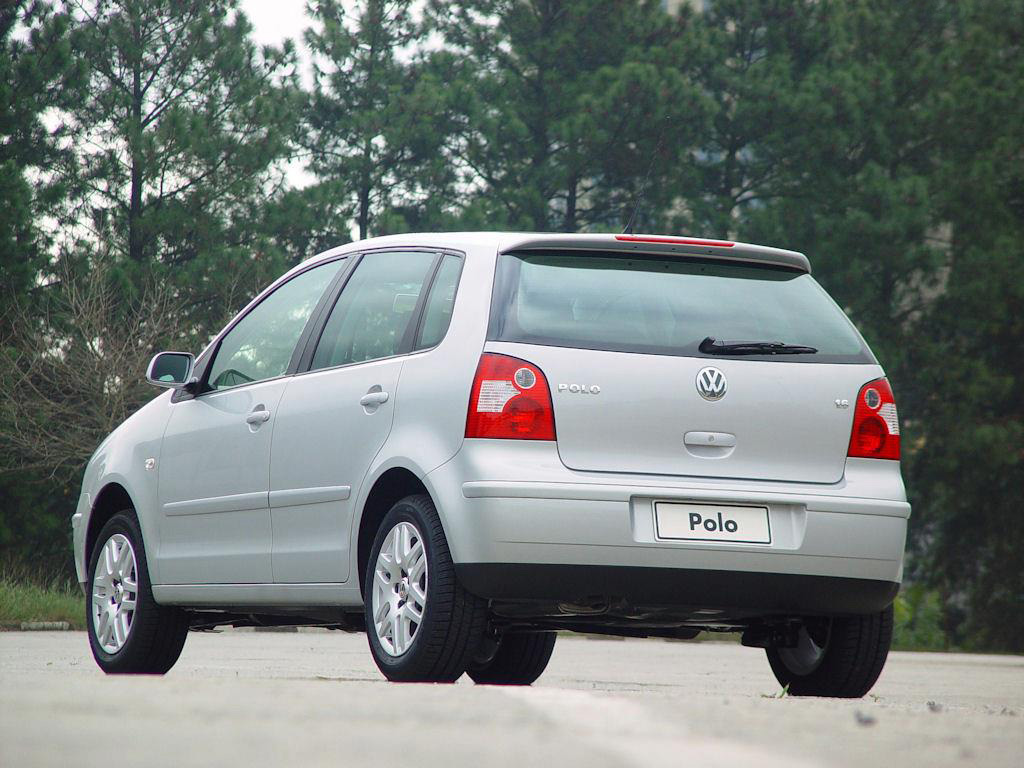
Most fuel-efficient popular cars in Brazil
Want to buy a car on a budget but still want guaranteed fuel savings? Then check out these popular cars that are also the most fuel-efficient!
19 – Ford Ka Hatch
From the version Sthe Ka Hatch It has a fuel consumption of 13.4 km/l in the city, while it consumes 15.5 km/l on the highway, and an energy consumption of 1.51 MJ/km.
As mentioned in the previous article, in the version following this model, the Ford Ka It's an excellent urban model due to its easy-to-park size, agility in traffic, and balanced fuel consumption.
The five-speed manual transmission in the 1.5 model has the same good characteristics as the 1.0 version, being well suited to the model's purpose. In general, the compact car has good suspension tuning, effectively filtering out road irregularities, as well as adequate stability.
The electric power steering is very light, yet precise at speed, ensuring driver safety. The brakes are also adequate for the... Ka 2019Although the front brakes have solid discs in the 1.0 version. Not to mention that its electronic injection is multipoint, an excellent technological feature to enhance its fuel economy, with state-of-the-art mechanisms for good management of the vehicle's energy consumption.
18 – Renault Logan
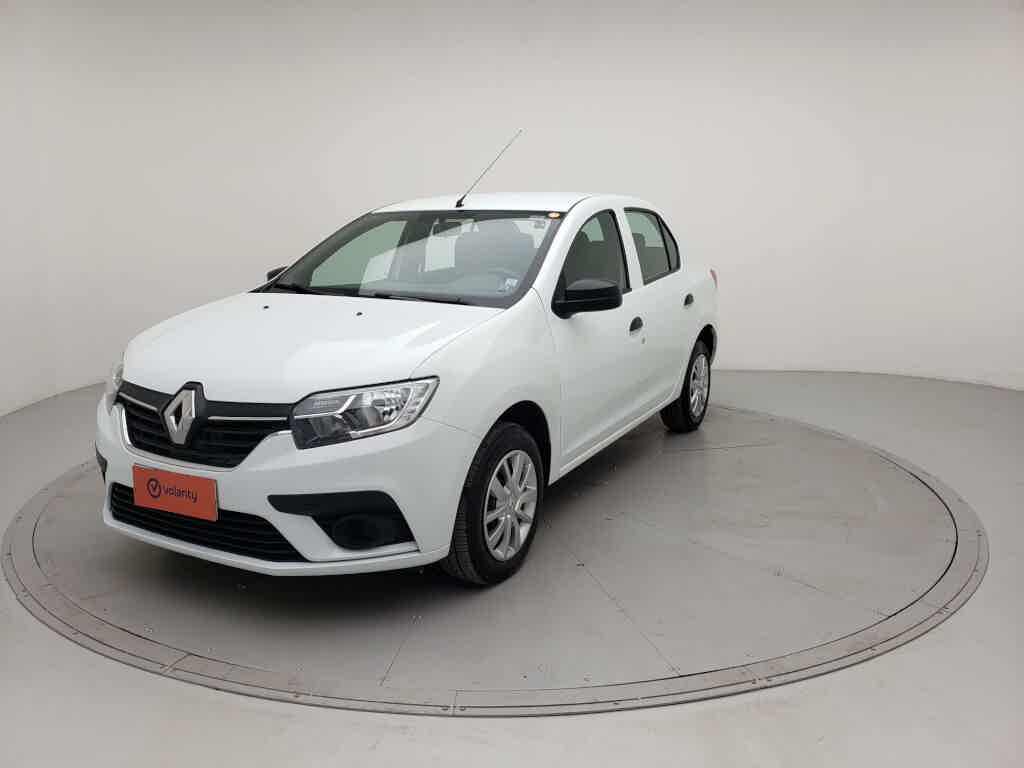
From the version Authentiquethe Logan It has a fuel consumption of 14.0 km/l in the city, while it consumes 14.9 km/l on the highway, and an energy consumption of 1.50 MJ/km.
THE Renault Logan 2019 It is equipped with two engines called SCe, one a three-cylinder 1.0 and the other a four-cylinder 1.6, both developed with aluminum cylinder head, block and crankcase.
The 1.0 engine followed the three-cylinder trend and features dual variable valve timing on both intake and exhaust, a technology never before seen in entry-level engines. Furthermore, the aluminum block results in a 20-kilogram weight reduction. The 1.6 engine, on the other hand, has four cylinders but the same dual variable valve timing on the intake, as well as injectors positioned in the cylinder head. The block is also made of aluminum, but with a 30-kilogram weight reduction.
17 – Peugeot 208
From the version Active MTthe 208 It has a fuel consumption of 13.9 km/l in the city, while it consumes 15.5 km/l on the highway, and an energy consumption of 1.46 MJ/km.
Current entry-level hatchback from Peugeotthe new Peugeot 208 2019 It can be found on the national market in versions with 1.2-liter three-cylinder flex-fuel engines, 1.6-liter four-cylinder flex-fuel engines with automatic transmission, and 1.6 THP four-cylinder flex-fuel (turbo) engines.
The new Puretech engine of Peugeot 208 The 1.2 Flex is an interesting alternative to the previous 1.5 8V, a locally modified engine still found in the Citroen Aircross, for example. With three cylinders, aluminum construction, dual variable valve timing, and low weight, this small car focuses entirely on reducing fuel consumption, albeit with inferior highway performance.
With the ethanol supplied by Peugeot In the tank, it performs well on takeoffs and has adequate acceleration for its purpose, but when pushed a little harder, it shows that this isn't the right approach. Its operation is smooth and linear, without excessive RPM fluctuations.
16 – Fiat Argo
From the version DRIVEthe Argo It has a fuel consumption of 14.2 km/l in the city, while it consumes 15.1 km/l on the highway, and an energy consumption of 1.45 MJ/km.
The new mid-size hatchback from the Italian automaker has arrived to shake up a market where other brands are dominating. Fiat Argo It was officially launched, but at the time of the presentation, one version was missing: the Drive with the Firefly 1.0 Flex engine. Now, the Italian brand has made an individual presentation of the entry-level option of the new Brazilian compact car.
Fiat conducted a survey that indicated that 40% of 1.0 car customers want low fuel consumption and use the vehicle for 70% of the time in the city. However, these same customers register more complaints regarding fuel consumption and low power. Argo It has already gone through good experiences and a lot of criticism to get where it is today. And even with the engine's power helping with fuel economy, one of its main factors that makes it economical and durable is its multipoint electronic fuel injection.
15 – Fiat Mobi
From the version DRIVE GSRthe Mobi It has a fuel consumption of 14.0 km/l in the city, while it consumes 15.9 km/l on the highway, and an energy consumption of 1.43 MJ/km.
Exclusively paired with the 1.0 Firefly three-cylinder engine, producing 77/72 hp and 10.9/10.4 kgf·m of torque with ethanol/gasoline, the transmission retains the inconvenient jerks during gear changes, but with (much) more smoothness compared to previous generations of the Dualogic.
One of the main ways to save fuel while driving Fiat Mobi 2018 It's about taking advantage of a feature that comes standard with the model: the gear shift indicator on the dashboard. This component was created so that the driver knows when the engine revs are too high, thus preventing excessive fuel consumption.
THE Fiat Mobi It's a very economical car and can achieve up to 14 km/l in the city when fueled with gasoline and 9.6 km/l with ethanol. On the highway, the performance can be 15.9 km/l and 11.3 km/l, respectively, according to tests conducted by the press.
Price and fuel economy were key factors cited by owners when deciding to purchase the vehicle. Fiat Mobi 2018The car's suspension was highlighted by one owner, who stated that the model is more robust when going over potholes. The interior space and the ability to lower the seat to further increase the feeling of spaciousness were other points emphasized.
14 Lexus CT200H
From the version CT200Hthe Lexus CT200H It has a fuel consumption of 15.7 km/l in the city, while it consumes 14.2 km/l on the highway, and an energy consumption of 1.41 MJ/km.
Even though its Inmetro rating was very good (A), the CT200H It's an excellent vehicle for fuel efficiency, especially in the city, achieving 15.7 km/l, which is truly surprising. With a full tank, you can drive quite a bit on gasoline and still have some left over. And even though it gets less than 14.2 km/l on the highway, it's still an excellent option for a fuel-efficient car. Lexus.
A survey of motorsport A fuel consumption test was conducted, where in the city, the electric motor is activated more frequently, the hatchback achieved an average of 15.3 km/l. On the highway, where the combustion engine works with the electric motor, consumption was worse, at 14.8 km/l, which is normal for hybrids, since the electric motor is not used as much. In any case, it presents figures similar to popular vehicles with 1.0 engines and much lighter weight.
13 – Volkswagen Up! TSI
From the version (14-inch wheels)the Up! TSI It has a fuel consumption of 14.6 km/l in the city and 16.3 km/l on the highway, with an energy consumption of 1.40 MJ/km.
As you can see above, the Up! TSI It has a highway fuel consumption of 16.3 km/l, the highest number on our list – so far – so call the family and set off on an adventure in this vehicle, confident that it will be fuel-efficient. Joking aside, the energy consumption of... Up! TSI It's really very high, both in the city and on the highway, and for this reason and other incredibly impressive factors, this model received the rating... THE according to Inmetro.
The small, three-cylinder, 1.0-liter engine of Up TSI It comes with a turbocharger, intercooler, direct fuel injection, and a series of changes that required an increase of 4 cm in length for the systems attached to the engine, which has three independent cooling systems, dual variable valve timing, sodium-core valves, and other improvements to withstand higher loads.
12 – Renault Kwid
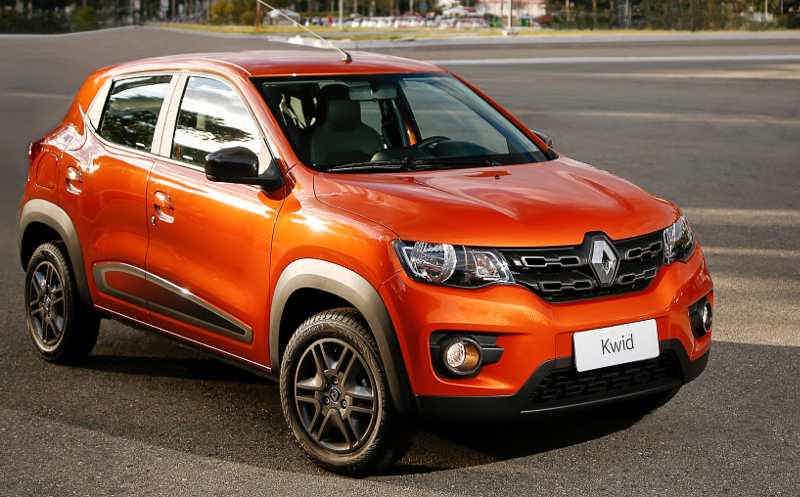
From the version Intenseand the Kwid It has a fuel consumption of 14.9 km/l in the city and 15.6 km/l on the highway, with an energy consumption of 1.39 MJ/km.
Despite being designed for emerging countries and already on sale in India, it was still a new and current project. It's no wonder that it quickly won over Brazilians, proving to be a very urban and agile car for traffic. Being quite economical on urban roads and becoming a perfect choice for the city, since its 1.0-12V engine further helps control the vehicle's fuel consumption.
THE Kwid It's glamorous and even with its trusty 1.0 engine it's quite powerful, with multi-point electronic fuel injection, which further benefits energy consumption management. Based on the weight it can carry and how much fuel it would consume to reach a certain point, with these features the Kwid It is excellent for urban and highway roads, a very precise and economical vehicle.
11 – Lexus ES300H
THE LEXUS ES300H It has a fuel consumption of 16.3 km/l in the city, while it consumes 15.5 km/l on the highway, and an energy consumption of 1.32 MJ/km.
If its cousin model – the CT200H – is the most fuel-efficient on the road so far on this list, the Lexus ES300H It's the most fuel-efficient on city streets, achieving 16.3 km/l. Truly impressive, a well-thought-out piece of work by Montaño. Lexus With breathtaking mechanics, this model is a great option for those who drive a lot on urban roads.
It is worth noting that the ES 300h It weighs 2,150 kg – more than a SW4 Diesel – resulting in a power-to-weight ratio of 9.9 kg/hp. Even so, in Sport mode it is capable of accelerating from zero to 100 km/h in 8.7 seconds and from 60 to 120 km/h in 7.9 seconds (just over 1.3 seconds more than the Camry, which has a beautiful 310 hp V6 under the hood).
In Eco mode, its fuel consumption figures are among the best ever measured: 22.5 km/l in the city and 19.5 km/l on the highway, with a PECO average of 21.3 km/l. In other words, with a tank of only 50 liters, it has an average range of no less than 1,065 km. The results of... Lexus ES 300h They are almost identical to those of the Toyota Prius (average fuel consumption of 21.0 km/l) and are only inferior to the Porsche Panamera E-Hybrid 2.9 V-6 which, thanks to an average of 20.8 km/l and an 80-liter tank, can reach 1,664 km without refueling.
10 – Ford Fusion
From the version Hybridthe Fusion It has a fuel consumption of 16.8 km/l in the city while consuming 15.1 km/l on the highway, and an energy consumption of 1.31 MJ/km.
If the Lexus ES300H was the best car for city streets until now, it has just lost out to an incredible machine from... Fordwith impeccable mechanics, the Fusion It gets an excellent 16.8 km/l in the city, in addition to being totally comfortable and aesthetically pleasing. In other words, perfect for those who want, besides fuel economy, a little flaunting the beauty that the Fusion brings, standing out in the market.
Even with its quite powerful 2.0-16V engine, its electronic fuel injection is multi-point, with state-of-the-art software specifically designed for good fuel consumption management, making the vehicle not only elegant but also powerful and economical – the perfect choice for those who want a machine of... Ford.
9 – Volvo XC90
From the version T8 Excellenthe XC90 It has a fuel consumption of 16.9 km/l in the city, while it consumes 16.9 km/l on the highway, and an energy consumption of 1.26 MJ/km.
THE XC90 Without a doubt, it's one of the automaker's biggest highlights. VOLVOAnd this model comes packed with new features, such as driver assistance systems that include cross-traffic alert. And the multimedia system now integrates with Android Auto phones and Spotify audio streaming.
But the biggest innovation is the adoption of the KERS (Kinetic Energy Recovery System) for energy regeneration, common in Formula 1 cars. Coupled to the brakes and the engine, it reuses the energy produced during braking and transfers it to the engine, in a kind of acceleration boost. This allows for a reduction in fuel consumption of up to 15%, under real-world driving conditions, according to the... Volvo.
With a city fuel consumption of 16.4 km/l and a highway consumption of 16.9 km/l, it is undoubtedly one of the most economical car lines in the world, which is not much of a surprise, since the manufacturer... VOLVO It excels at manufacturing very high-quality vehicles.
8 – Toyota Prius
From the version NGAthe Prius It has a fuel consumption of 18.9 km/l in the city, while it consumes 17.0 km/l on the highway, and an energy consumption of 1.15 MJ/km.
Many say that Toyota Prius He's a master of fuel economy; his numbers are truly surprising. While the average fuel consumption on our list in the city and on the highway ranged between 13.0 km/l and 16.0 km/l Prius It achieves a fuel consumption of 18.9 km/l in urban areas and 17.0 km/l on highways.
Just like in the Etios, the Prius's onboard computer lets you enter the price per liter of gasoline and track your fuel consumption in weekly or monthly graphs – a great technology for controlling your vehicle's fuel consumption.
THE Toyota Prius It is a vehicle powered by gasoline and electricity, a feature that helps achieve extraordinary fuel economy. When the car is turned off, the scoreboard is displayed, showing the points earned, up to a maximum of 100. This system analyzes how smooth your driving is at three crucial moments to achieve low consumption (of electricity or gasoline): acceleration, cruising speed, and deceleration.
7 – Volvo XC60
From the version T8 Inscriptionthe XC60 It has a fuel consumption of 19.2 km/l in the city while consuming 20.0 km/l on the highway, and an energy consumption of 1.05 MJ/km.
Get ready, because now you're going to see the most economical and powerful cars on this list. We've already seen the previous model, the Toyota Prius, and we're moving on to the... Volvo XC60which has a fuel consumption of 19.2 km/l in urban areas. That's really impressive, based on the current price of gasoline and the list price of the XC60For those who can afford it, it's an excellent investment, since if you – hypothetically – live in a neighborhood with a 5km radius and only patrol the neighborhood, a measly $15 reais will be enough for the whole week.
One of the secrets to greater fuel economy is the new eight-speed automatic transmission, which shifts gears at lower engine speeds, thus improving fuel consumption and reducing the risk of engine failure. XC60 at the highest level of quality with the CONPET seal.
6 – Porsche Panamera
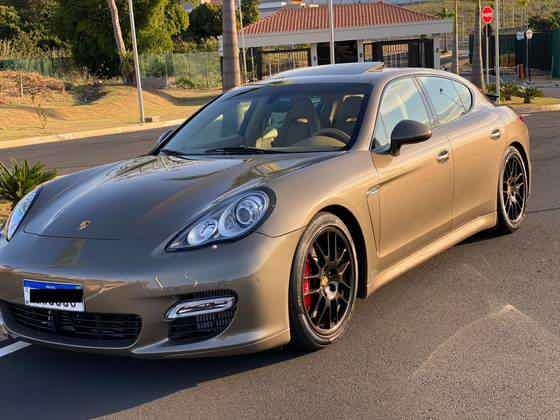
From the version 4EHYBthe Panamera It has a fuel consumption of 17.8 km/l in the city, while it consumes 25.7 km/l on the highway, and an energy consumption of 1.00 MJ/km.
THE Porsche Panamera It has one of the highest highway fuel consumptions on our list, and even though it's a car with an impeccable city appearance, don't even think about taking it on highways for a great day trip on your day off, what do you think?! And if you have any doubts about fuel consumption, rest assured, because the Panamera It gets 25.7 km/l, so just enjoy this machine from the manufacturer. Porsche And head out for your amazing ride in a trendy car.
The big secret lies in the extremely intelligent "dialogue" between the two propulsion systems of the Panamera e-Hybrid: a turbocharged V6 gasoline engine (with twin rotors) producing 330 hp and 45.9 kgfm of torque, and an electric motor integrated into the transmission assembly that, alone, is capable of generating 136 hp and 40.8 kgfm of torque. Combined, these forces result in a total power output of 462 hp and 71.4 kgfm of torque. However, the... Porsche He knows that access to that much power will almost never be necessary. That's why he created a complex list of driving modes that demand different types of performance from the two engines, resulting in an exceptional degree of versatility.
5 – BMW 503E
the 503E It has a fuel consumption of 20.9 km/l in the city, while it consumes 21.9 km/l on the highway, and an energy consumption of 0.95 MJ/km.
With a 0 to 100 km/h time of 13.00 seconds, a top speed of 190 km/h, and a weight of 1501 kg, the 503 is equipped with a naturally aspirated V8 gasoline engine.
The engine that powers the 503 It's a 3168 cc V8, with overhead valves. This engine was the same one used in the sedans, but here its power was increased due to the addition of two carburetors and an improved lubrication system using a chain-driven oil pump. With a compression ratio of 7.5:1, the engine produces 140 hp at 4800 rpm, 30 hp more than the sedan engine.
Thus, coupled to the engine is a four-speed manual gearbox that sends power to the rear wheels. The front suspension is a double wishbone type with a torsion bar, and the rear is a double wishbone with a torsion bar. Braking is handled by drum brakes on all four wheels, with the option of front disc brakes. The 503 weighs around 1500 kg, enough to allow it to reach 185 km/h.
This engine produces a maximum power of 140 hp at 4800 rpm and a maximum torque of 216.0 Nm at 4800 rpm. Power is transmitted to the road via a 4-speed manual gearbox, and the drive type is rear-wheel drive (RWD).
4 – Volvo S90
From the version T8 Registrationthe S90 It has a fuel consumption of 21.3 km/l in the city, while it consumes 25.6 km/l on the highway, and an energy consumption of 0.88 MJ/km.
The largest sport utility vehicle of Volvothe XC90The new model, now available in a 2020 version, features a braking system that recovers kinetic energy for the engine, providing 151% fuel savings. This car, weighing 2,350 kg – twice the weight of a compact car – and nearly five meters long, is one of the most fuel-efficient on this list.
THE Volvo XC90 T8 It recorded an average fuel consumption of 25.6 km/L on the highway. With this result, the model surpasses the Toyota Prius and is capable of traveling 1,470 kilometers on the road with a single tank, which holds 50 liters.
The gasoline engine kicks in whenever more power is needed, while the electric motor helps save fuel on uphill climbs by providing extra power. The combination of these technologies generates 407 hp, enough to also guarantee a good ranking in performance tests.
3 – BMW i3
From the version Rex94Hthe I3 It has a fuel consumption of 24.9 km/l in the city while consuming 21.5 km/l on the highway, with an energy consumption of 0.86 MJ/km.
High performance without harming the environment. On the outside, the I8 It uses and abuses aggressive elements, such as headlights with a nervous look, slim taillights, and vented rear fenders.
The electric motor sends power to the front wheels, while the rear wheels are powered by the gasoline engine. According to Inmetro (Brazilian National Institute of Metrology, Quality and Technology), the sports car achieves 24.9 km/L in the city and 21.5 km/L on the highway. Exceptional figures for its performance.
Its electric technology benefits the model by not emitting pollutants, helping the environment, and with the power of its motor, it balances fuel consumption management, making it quite powerful in its style. BMW, but also quite economical. The I3 is a next-generation vehicle designed to improve fuel consumption and help our planet, a great proposition from... BMW.
2 – Renault Zoe Nr
From the version Intensethe Zoe Nr It has a fuel consumption of 32.2 km/l in the city, while it consumes 26.7 km/l on the highway, with an energy consumption of 0.65 MJ/km.
It's 4.10 meters long, has capacity for four adults, and a range of up to 400 km on a single charge in the latest update. A vehicle that seems to have come from the future to surprise and change the past, its consumption is extremely economical; in fact, if you have a fast charging station nearby, just 30 minutes is enough to guarantee 80 km of range.
THE Renault ZOE It has a battery with a range of over 300 km* and regenerative braking technology, plus it's easy and quick to recharge. With a Zero Emission 40 battery system and electric motor, the Renault ZOE It emits no pollutants, engine noise, or gear shifting noise; it is a true Zero Emission vehicle, which is excellent for fuel economy.
1 – Renault Twizy
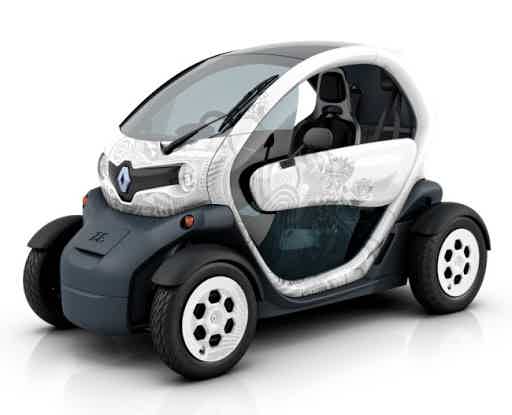
Also the version Intensethe Twizy It has a fuel consumption of 45.8 km/l in the city and 43.0 km/l on the highway, with an energy consumption of 0.39 MJ/km.
After this brief description, do you still have doubts that the Renault Twizy Is it the most fuel-efficient car currently available? Its numbers are truly incredible, as you can see above, easily topping our list. Renault The factory makes excellent cars, but the Twizy It's a futuristic machine that sparks the desire of anyone who likes to innovate, and that's why it occupies our top spot.
Even with its somewhat "unconventional" design, it remains an excellent vehicle. However, sales to civilians have not yet begun. It's a shame, because... Renault Twizy It's one of the most practical things you could drive in the daily life of big cities.
But, because one of its fuel injection methods is electric, it advances in research and becomes a fully equipped vehicle with excellent mechanics that... Renault Bring it to us, I hope one day to see this car on the mass market, who knows, but until then, let's admire once again and applaud Renault's stupendous work.
And so we conclude another excellent piece of content for you. Keep following us! Mr. CarsAnd see other posts here.
Trending Topics

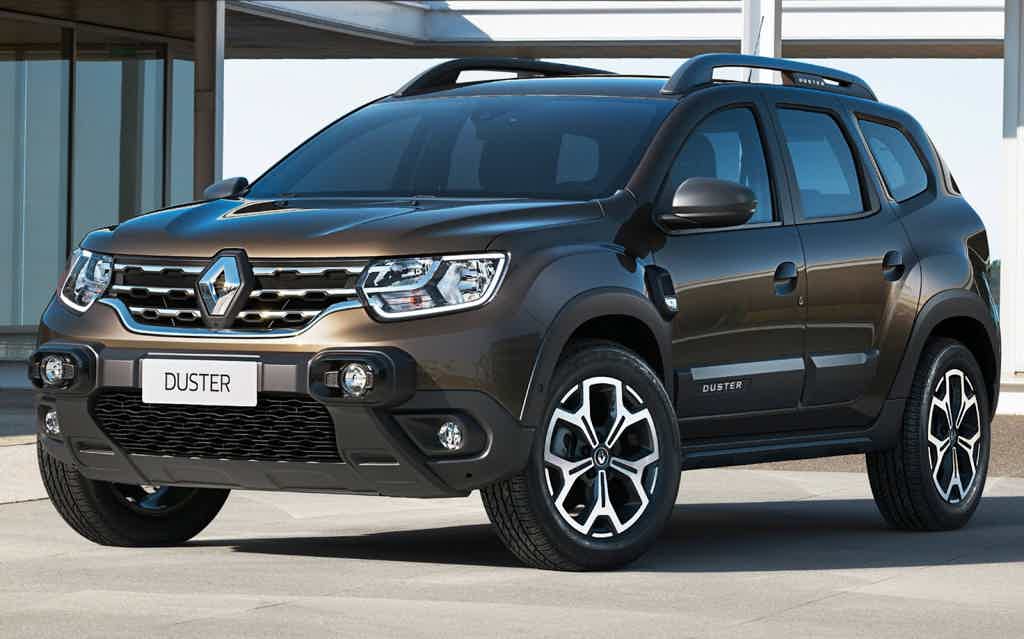
Renault Duster 2021: Check out the model's new features!
The 2021 Renault Duster arrives with a range of features and accessories, but falls short with its single engine option. Check out the new features and disappointments of this model!
Keep Reading
Neo Auto Insurance: How to get a quote and become an insured customer?
Discover now how to become a member of Neo Seguro Auto, an innovative insurance policy designed to shatter your perception of standard vehicle insurance!
Keep ReadingYou may also like
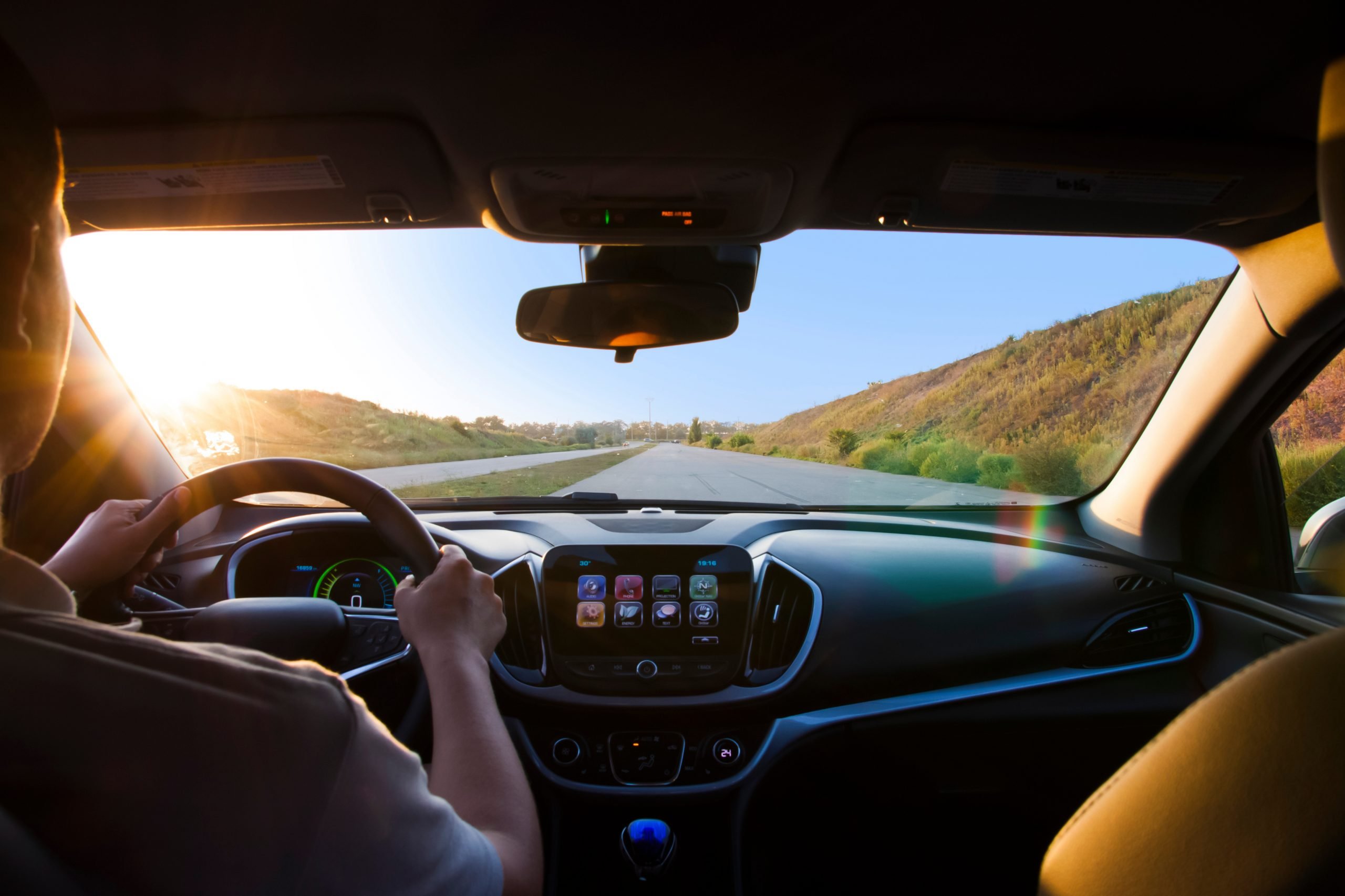
Road cars: the best models to invest in
The best car models for hitting the road and having an unforgettable trip should be comfortable and spacious. Check out the options!
Keep Reading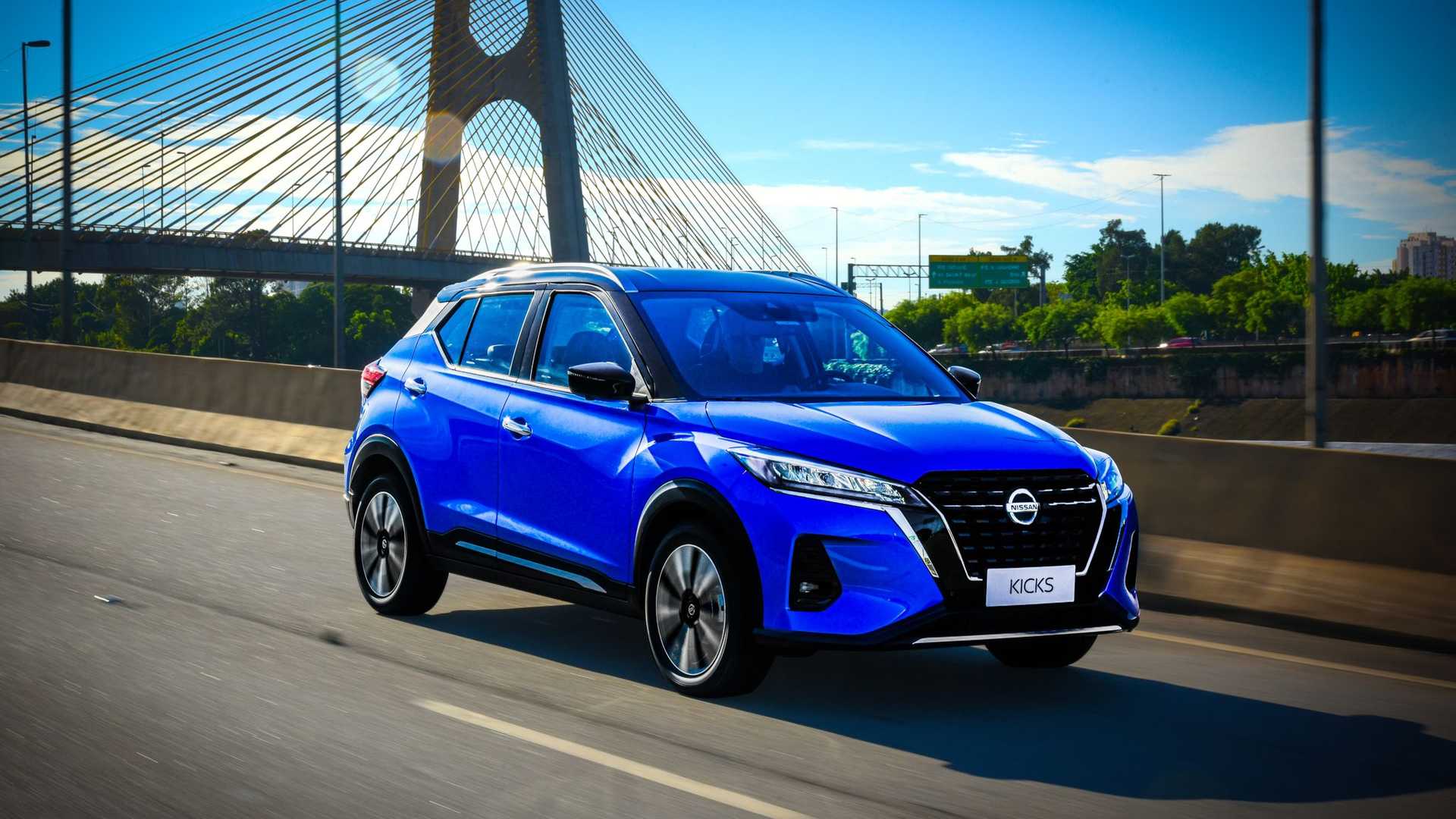
Buying a Nissan Kicks: Discover tips for getting a good deal!
Mr. Cars | The best articles about cars on the internet! Buying a Nissan Kicks: Learn tips for getting a good deal!
Keep Reading
Learn about the advantages of Porto Seguro auto insurance.
Mr. Cars | The best articles about cars on the internet! Learn about the advantages of Porto Seguro car insurance.
Keep Reading


